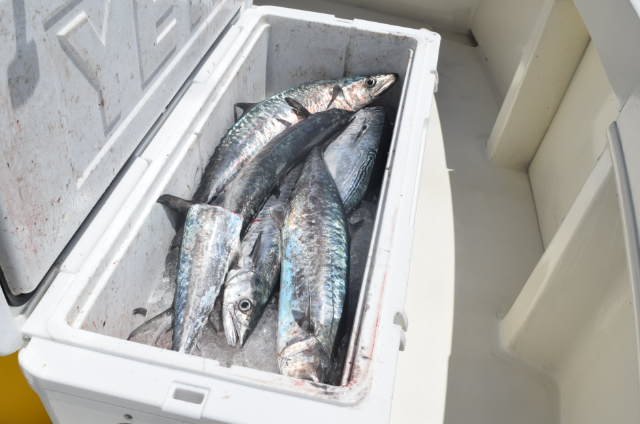
Harold caught bonita, king mackerel and a trophy barracuda.



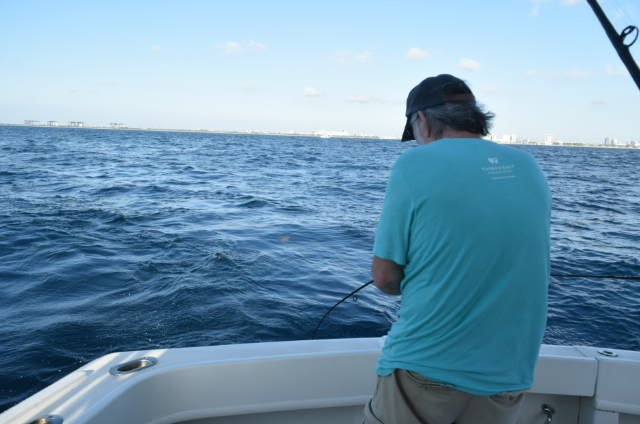
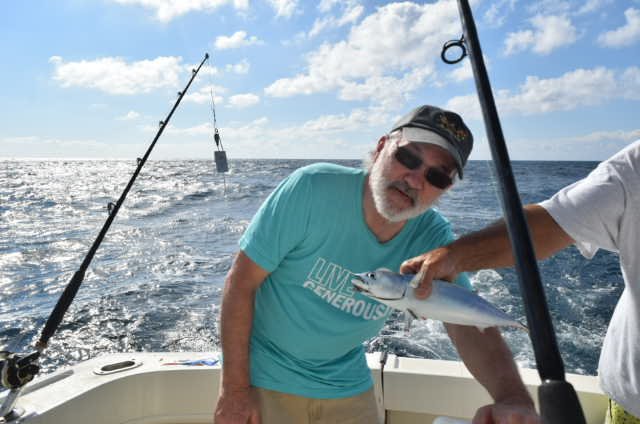
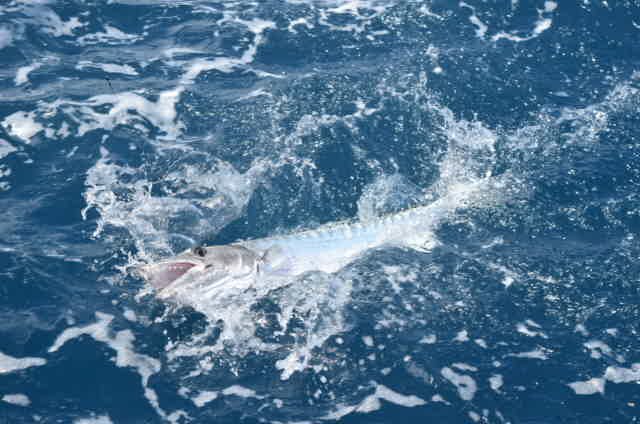
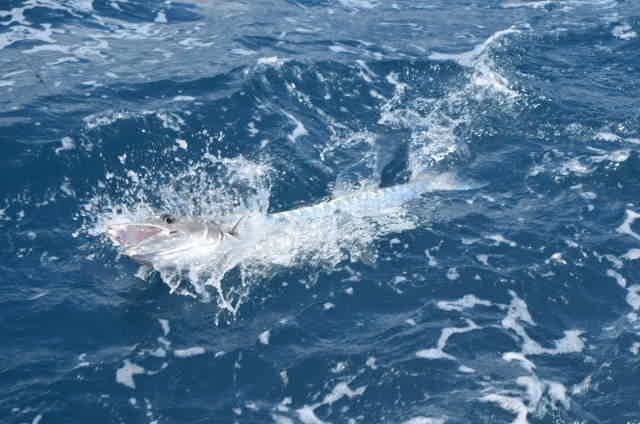
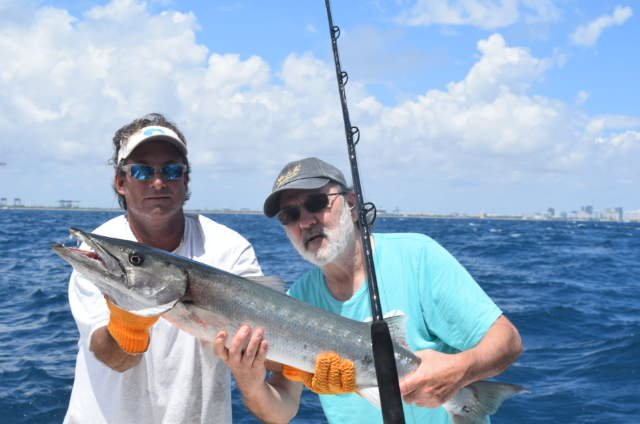
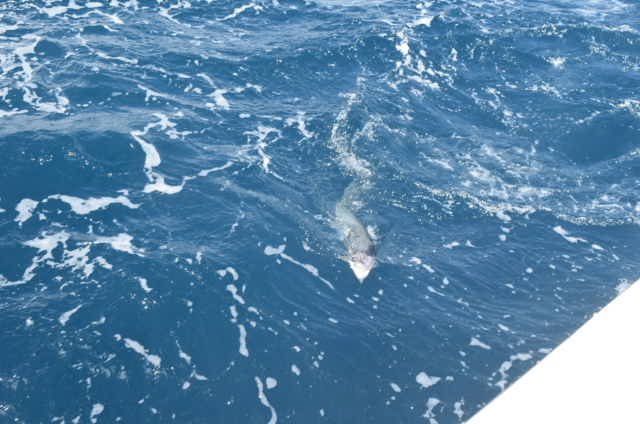

Harold caught bonita, king mackerel and a trophy barracuda.
Þingvellir (Thingvellir) is the National Park where the Althing, an open-air assembly representing the whole of Iceland, was established in 930 and continued to meet until 1798. Over two weeks a year, the assembly set laws – seen as a covenant between free men – and settled disputes.
The Althing has deep historical and symbolic associations for the people of Iceland. The property includes the Þingvellir National Park and the remains of the Althing itself: fragments of around 50 booths built from turf and stone.
The Alþingi (assembly) at Þingvellir was Iceland’s supreme legislative and judicial authority from its establishment in 930 until 1271.
The Lögberg or Law Rock was the focal point of the Alþingi and a natural platform for holding speeches.


The Lawspeaker, elected for three years at a time, presided over the assembly and recited the law of the land. Before the law was written down, he was expected to recite it from memory on the Lögberg over the course of three summers along with the complete assembly procedures every summer. Inauguration and dissolution of the assembly took place at the Lögberg, where rulings made by the Law Council were announced, the calendar was confirmed, legal actions were brought and other announcements made which concerned the entire nation. Anyone attending the assembly was entitled to present his case on important issues from the Lögberg.
The Law Council served as both parliament and supreme court. Laws were passed and approved there, and rulings made on points of law. The Law Council appointed members of the Fifth Court (a kind of appellate court) and the Lawspeaker, and took part in the election of the bishop. Unlike the Alþingi, the Law Council was a closed body in which only certain people enjoyed full rights: chieftains who held the office of goði, their Þingmen and later also bishops. However, everyone at the assembly was entitled to watch and listen to the Law Council at work.
The Goðafoss waterfall is one of the most spectacular waterfalls in Iceland. The water of the river Skjálfandafljót falls from a height of 39 feet over a width of 98 feet.
Back in the early days of the settlement period, most inhabitants of Iceland subscribed to the Old Norse pagan religion and worshiped gods such as Thor and Odin. By the year 1000, however, there was mounting pressure to convert to Christianity.
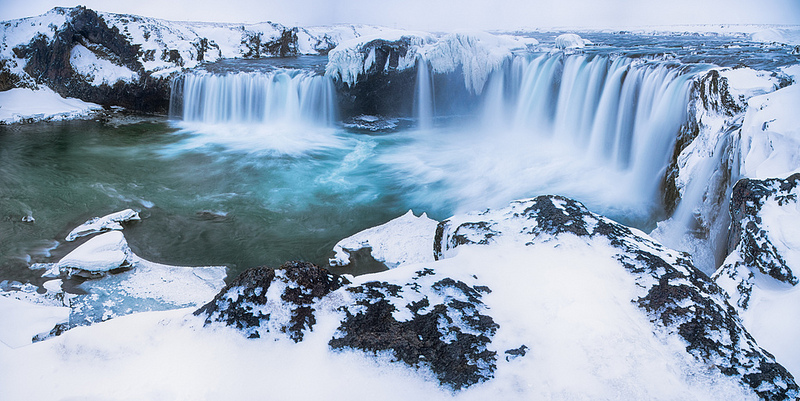 Lawspeaker Þorgeir Ljósvetningagoði was tasked with the decision after a meeting at Þingvellir. After a day and night of praying he made the decision that Iceland should convert to Christianity, and to seal the deal he threw his pagan idols of the Old Gods into the waterfall. Henceforth, the falls have been known as Goðafoss: waterfall of the gods.
Employees at the golf course Keilir were greeted with an unusual sight yesterday, when they arrived to find the snow-covered course was dotted with many snow rolls.


“These wind-turned snow rolls covered the course today! This is a pretty uncommon occurrence, which happens when wet snow and wind roll the snow up.”
Food for thought


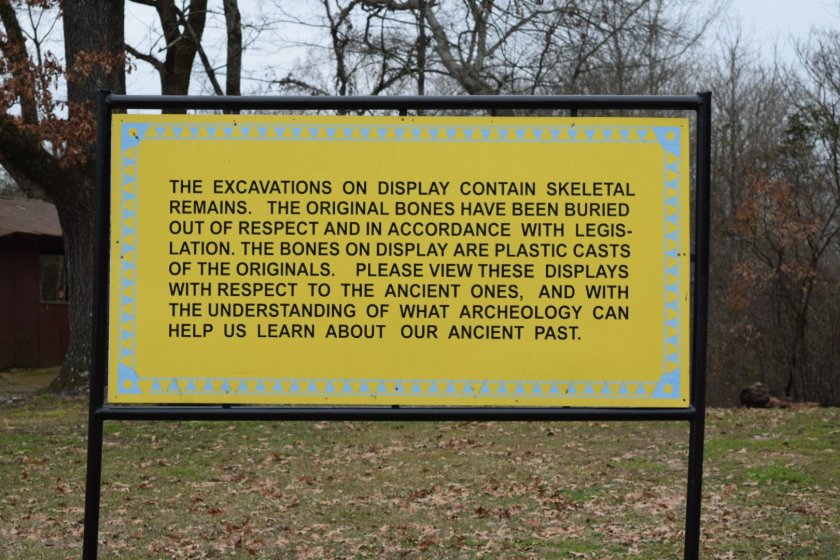
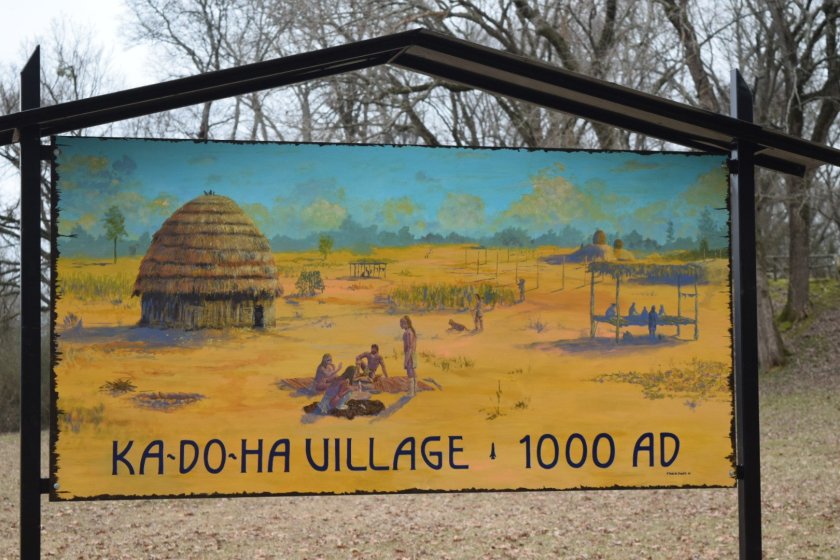
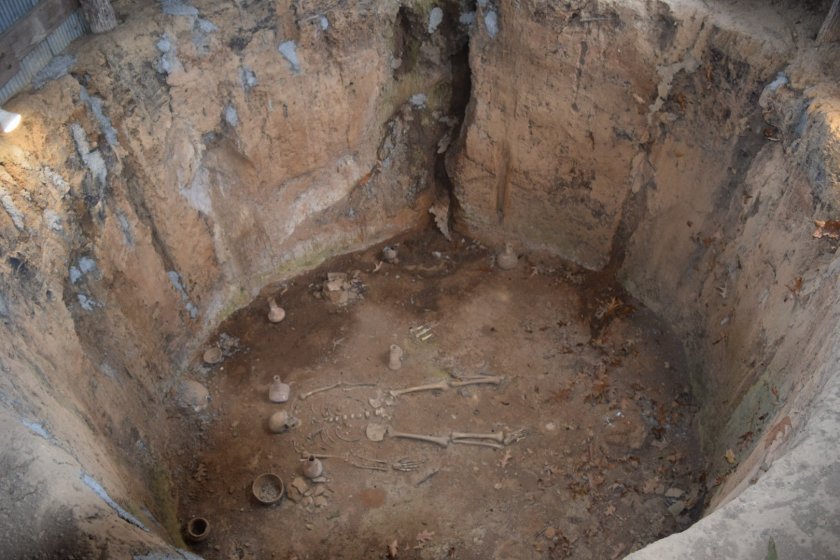
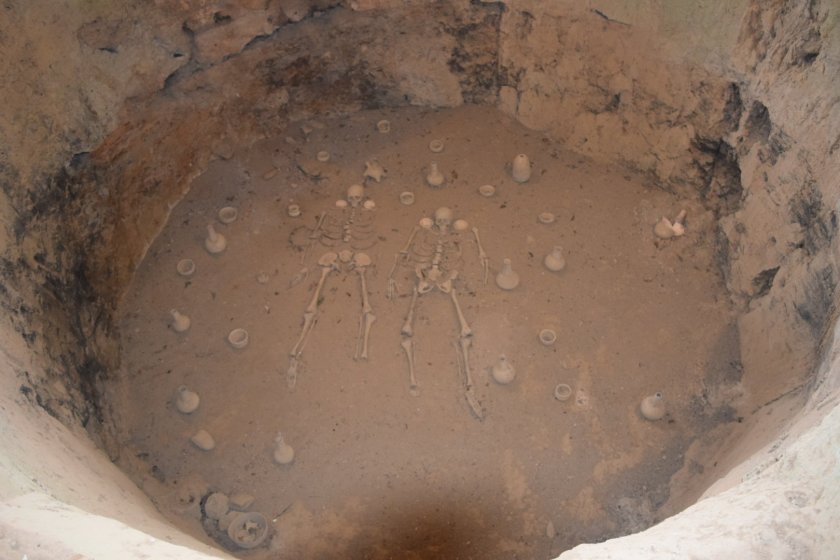
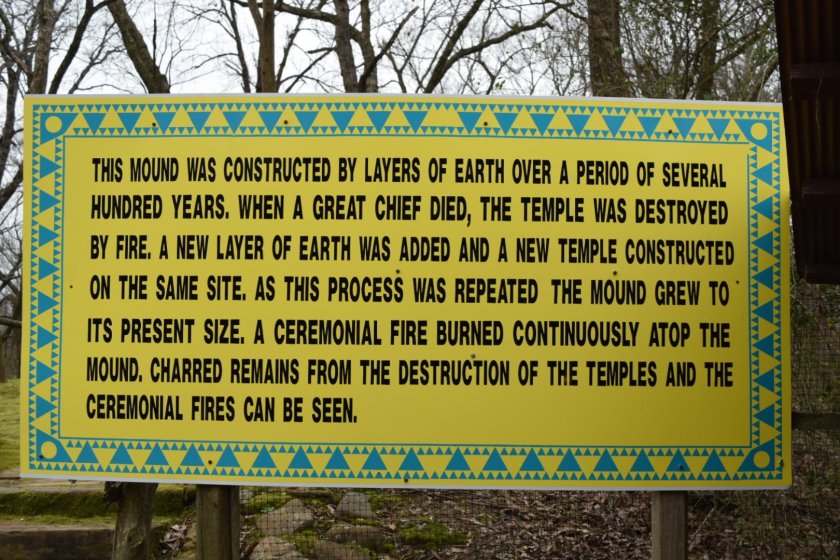
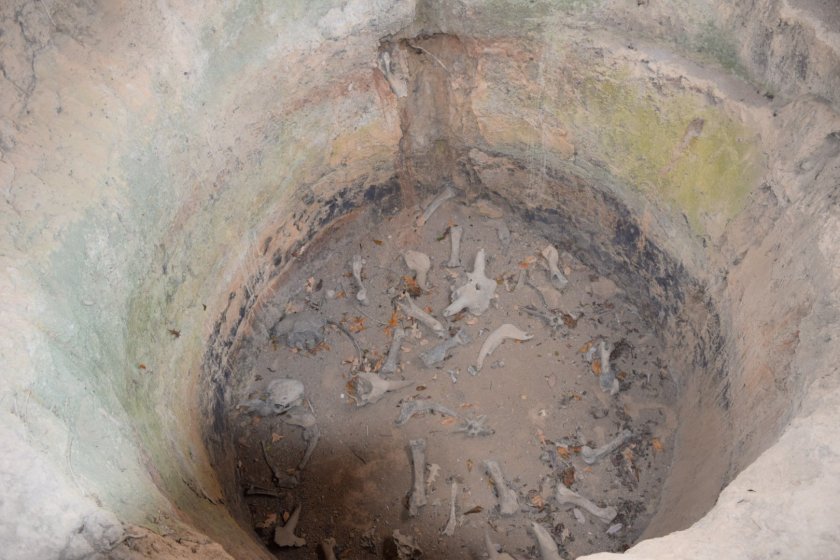
Indian burial mounds, thousands of years old. This site was also used as a camp site during civil war times since it is near the river.
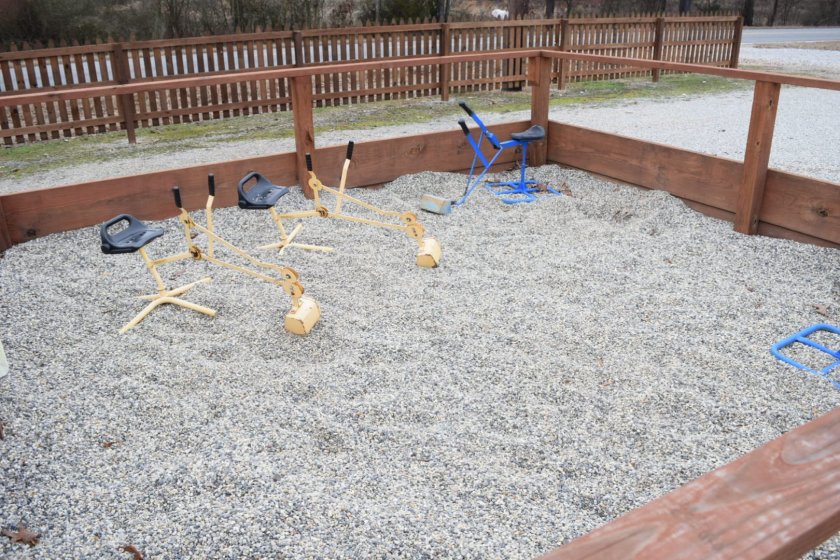
You can dig here or rent a metal detector, find old coins, pottery shards, arrowheads and shells.


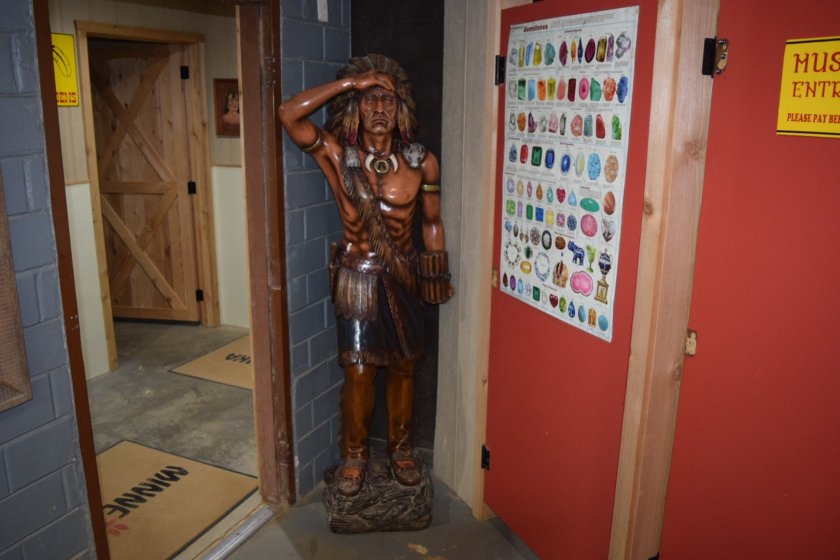






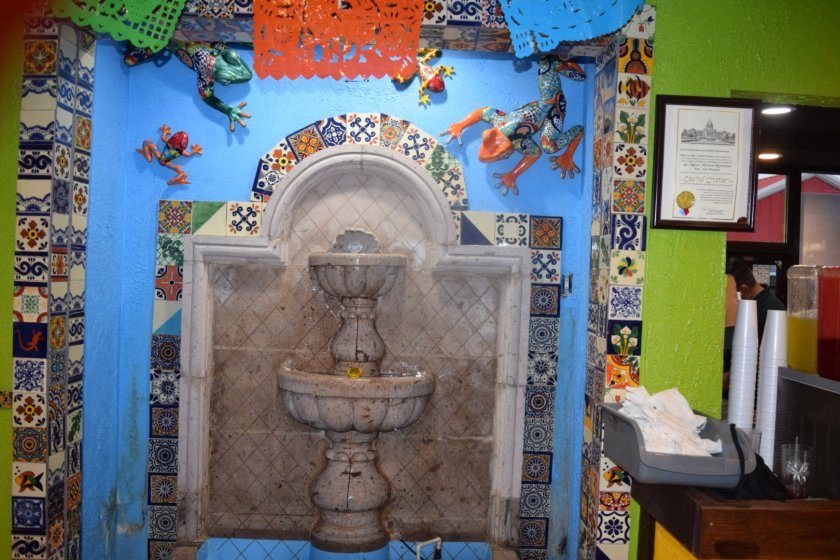
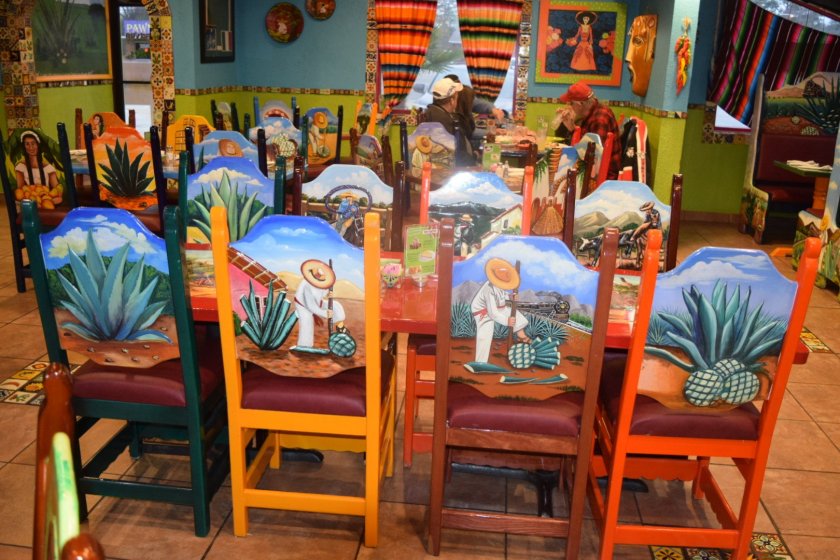
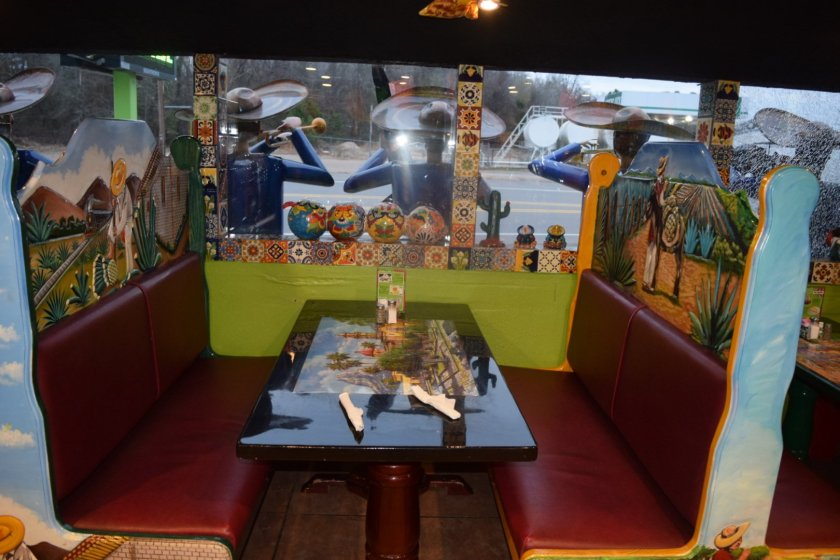
Beautiful decor, best Mexican food
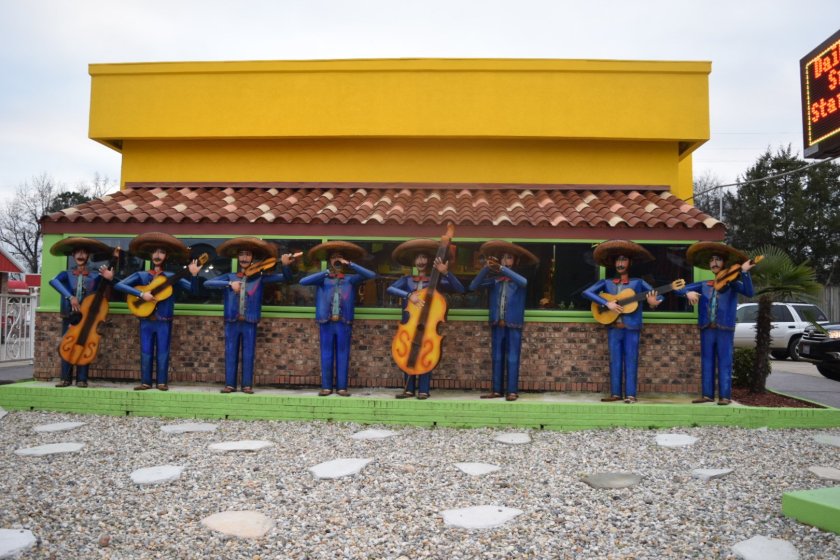

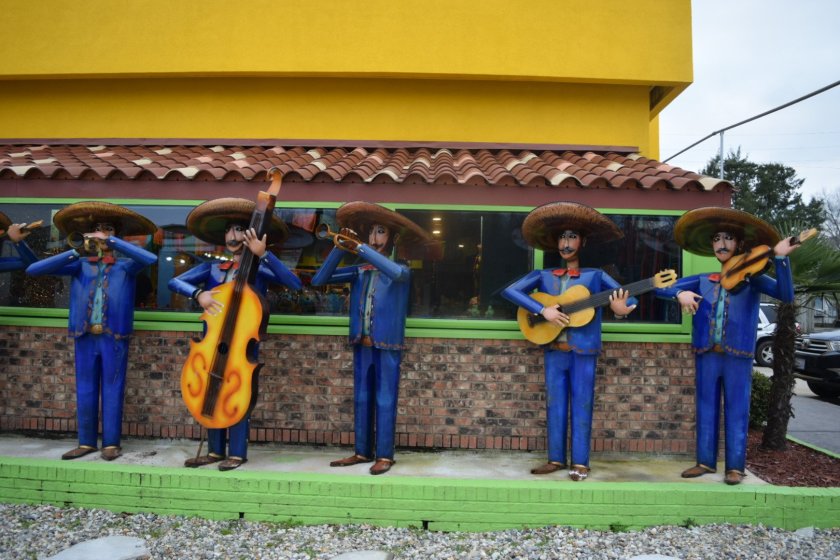
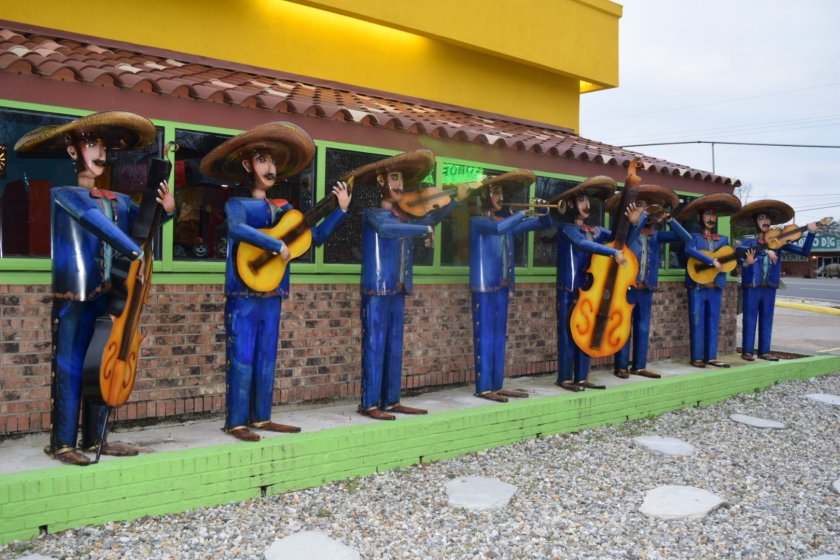




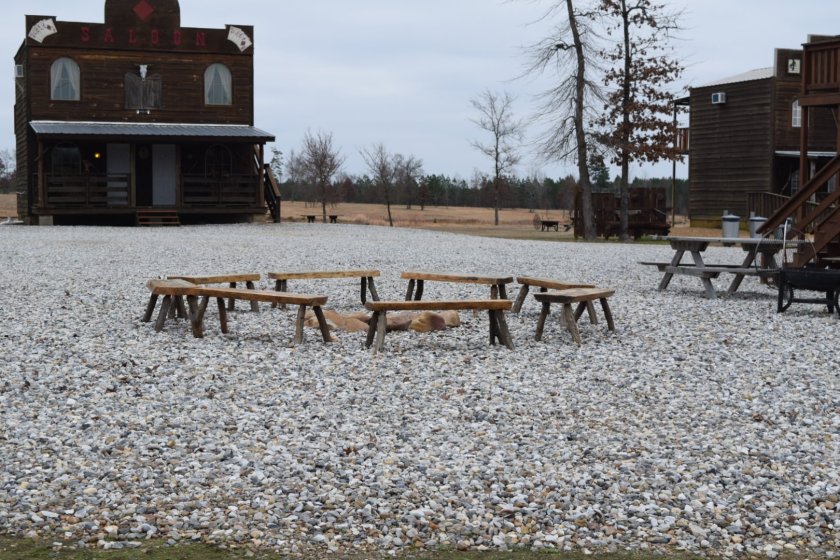
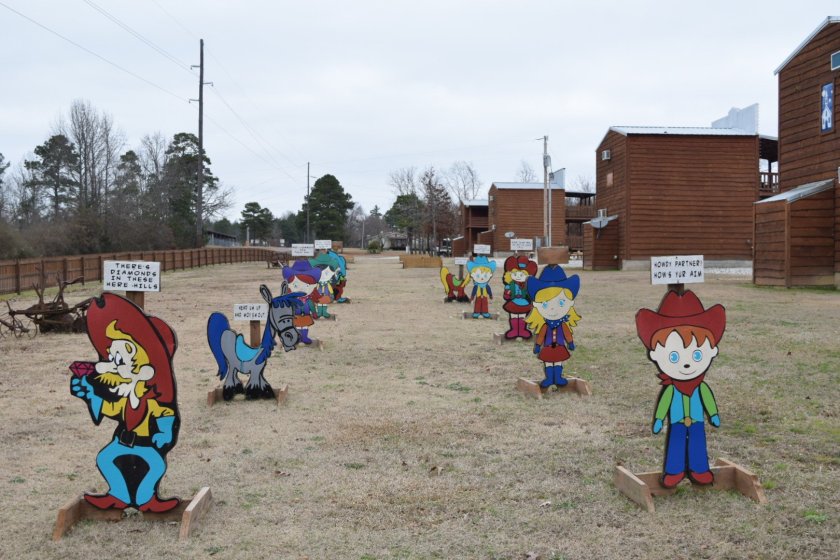
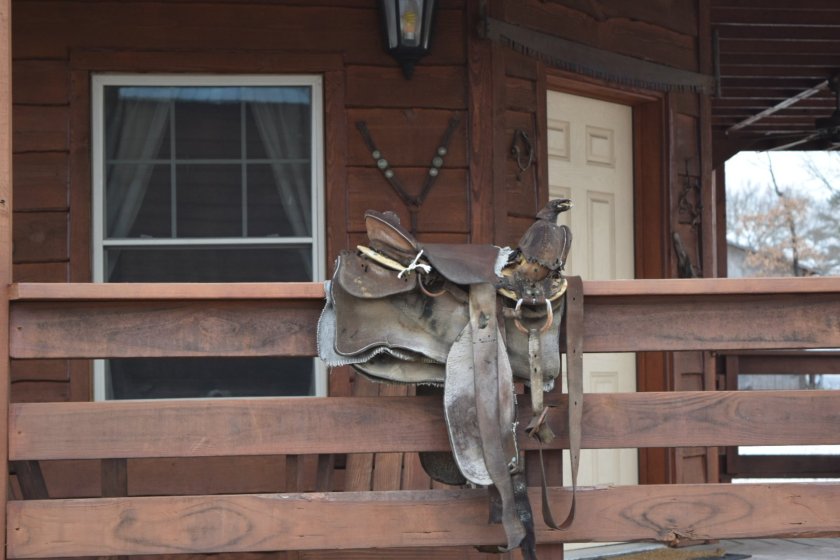
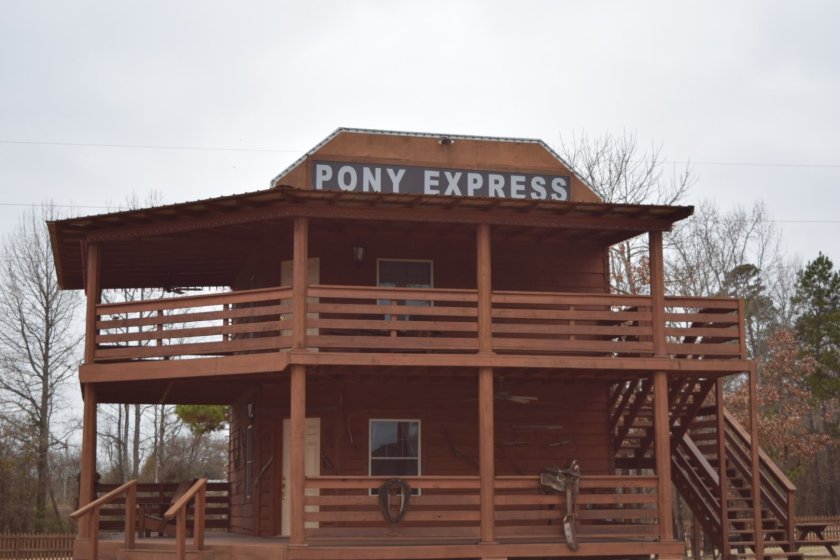
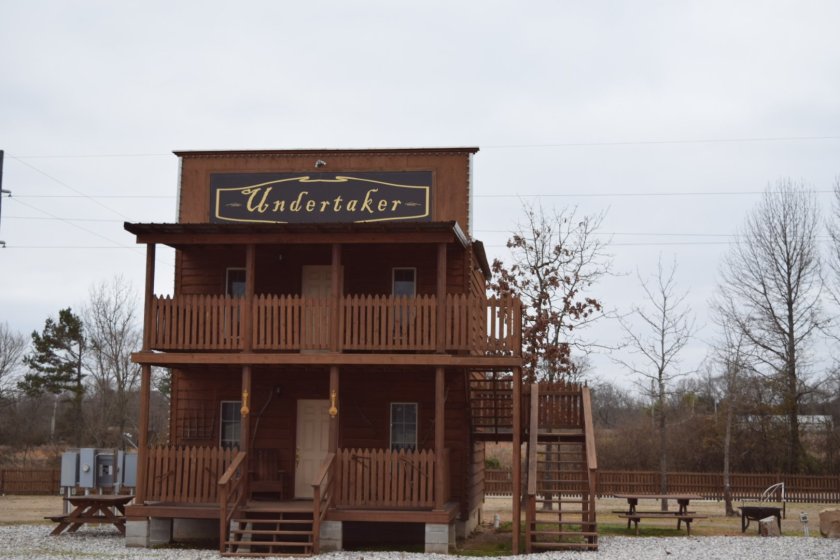
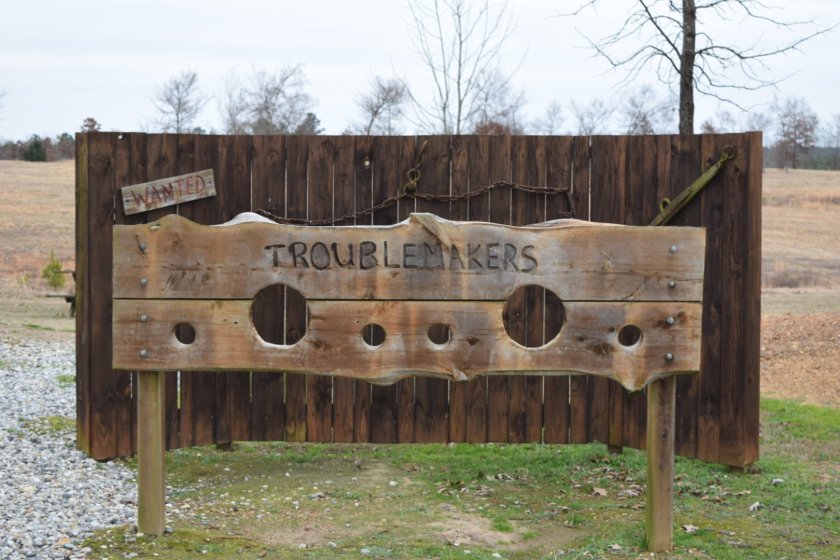
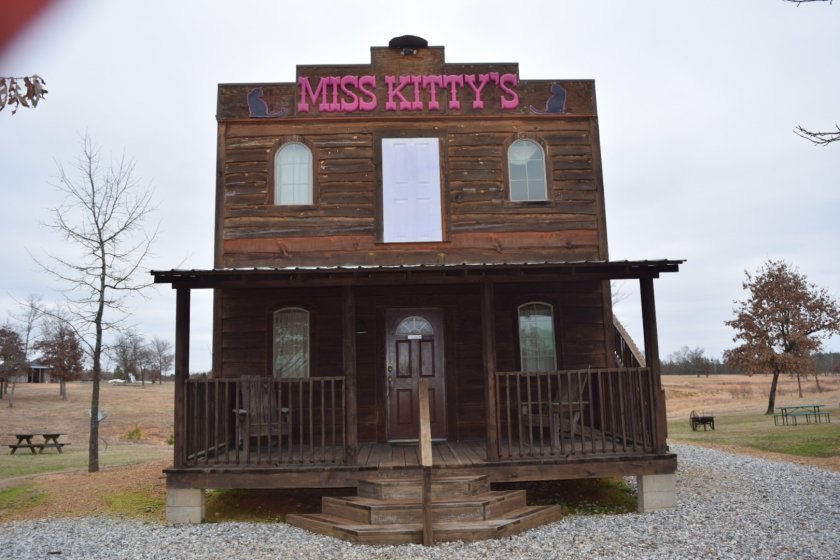
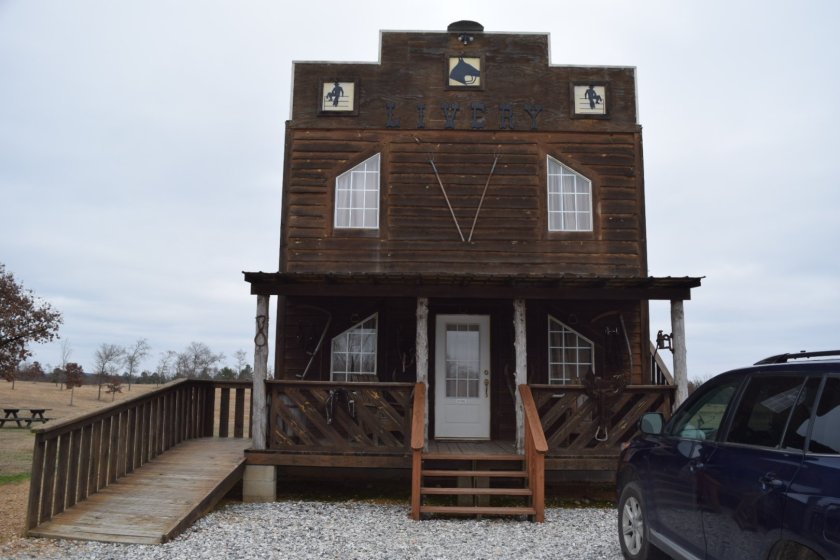
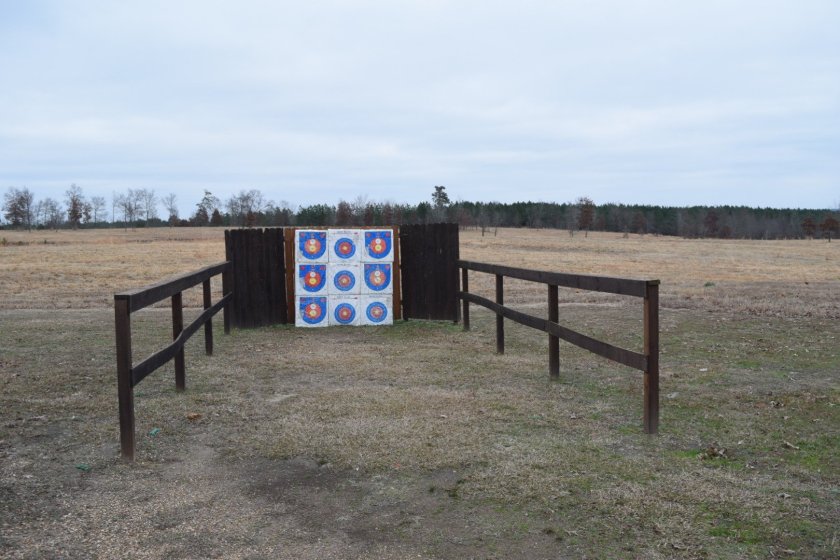
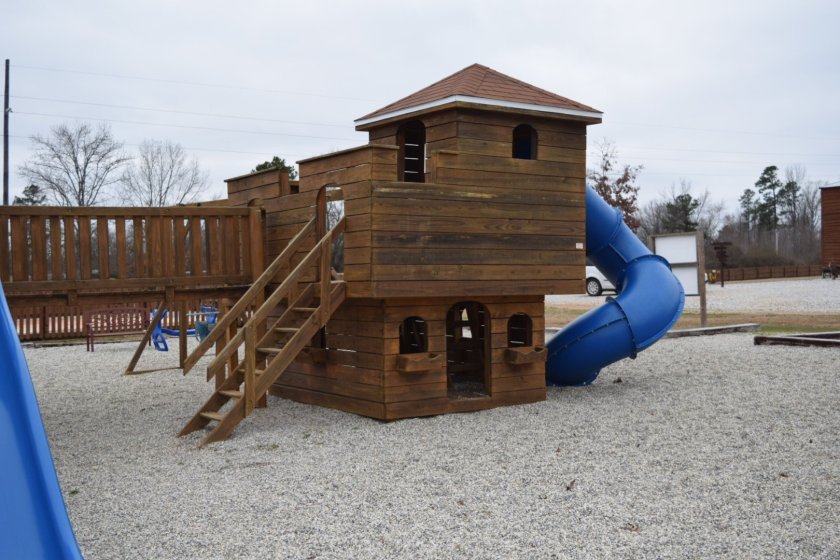
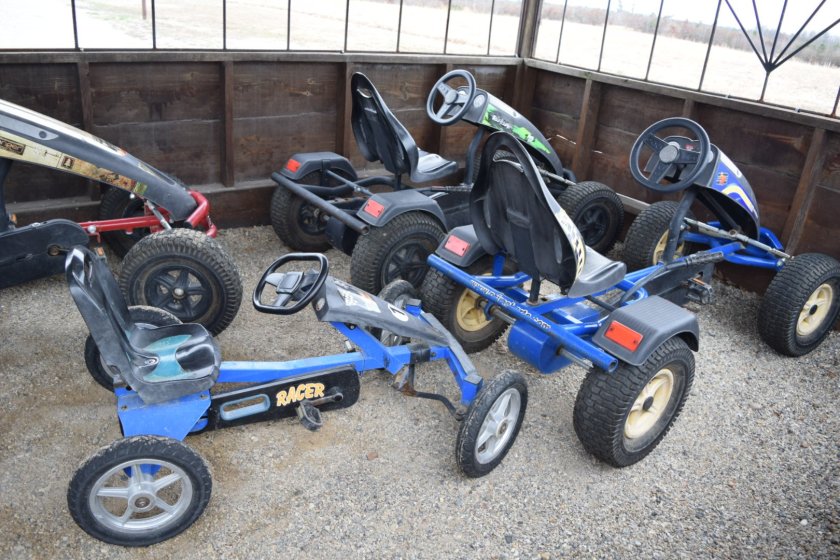
Fun place to stay, especially for families with children. It is an old west town with many activities. A bonfire is lit every night, perfect for Smores.











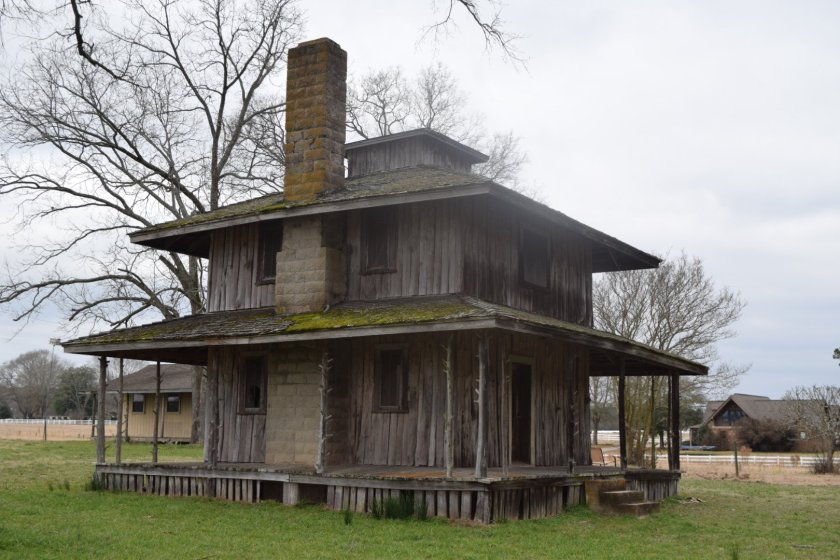
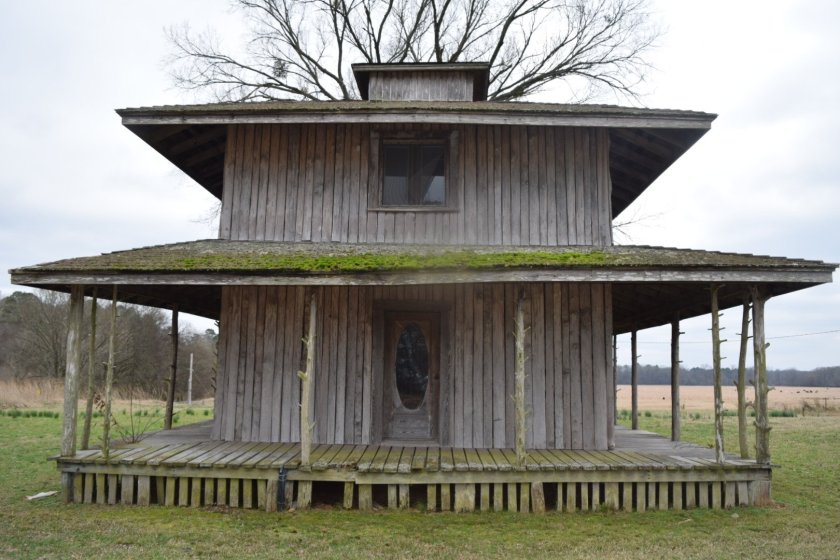
This is one of the first homes in this area. The top of the house is called an Indian watch



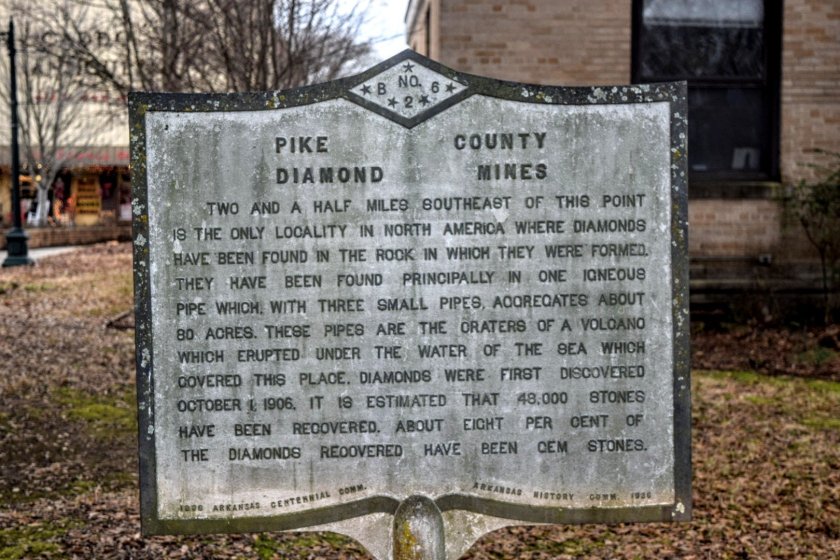
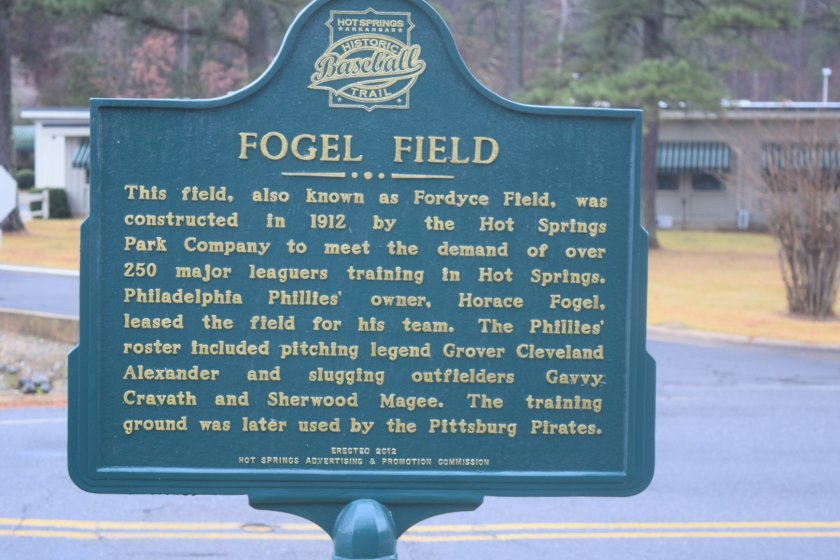
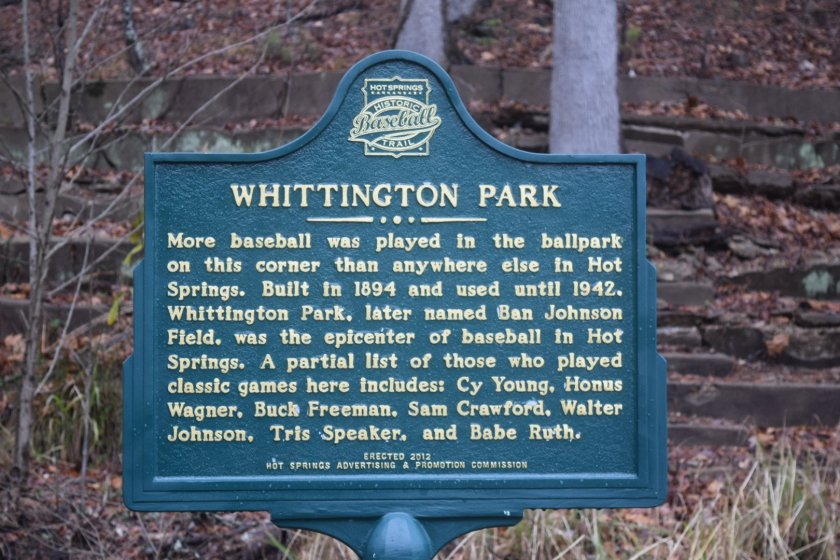
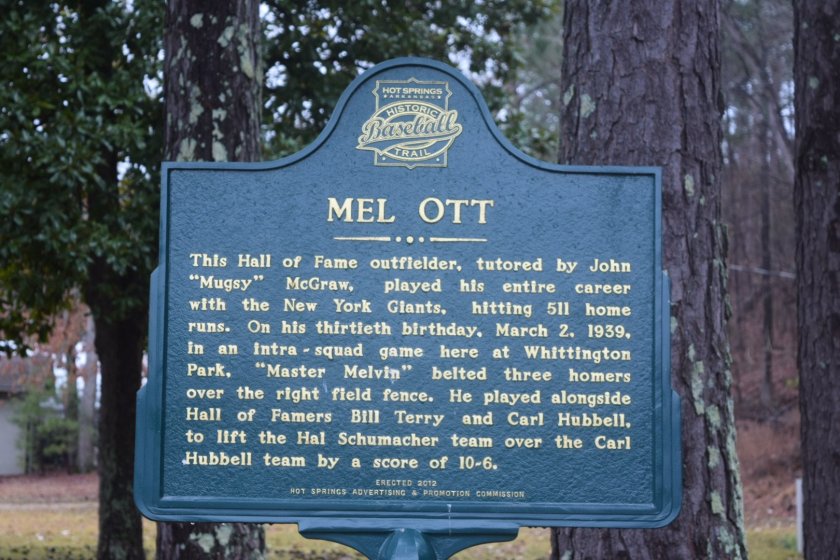
In 1894 many major league teams made a baseball field in Whittington Park for spring training. The players enjoyed the healing effects of the hot springs.
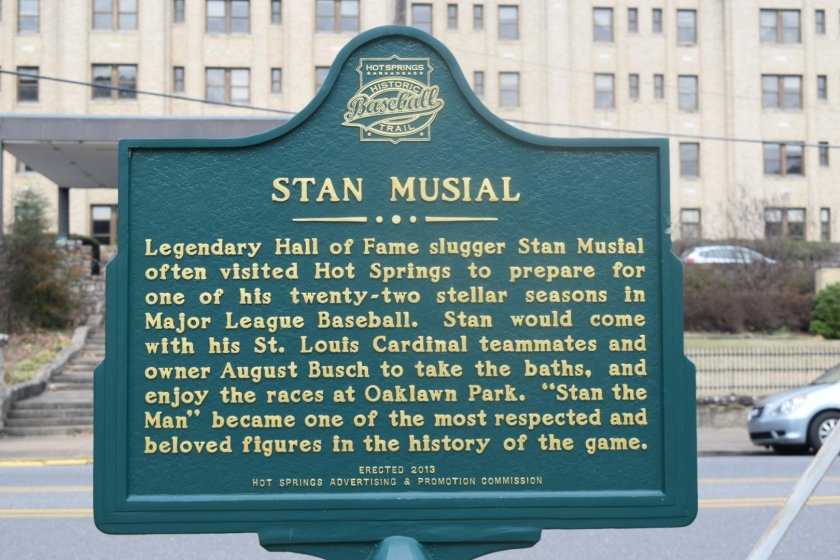
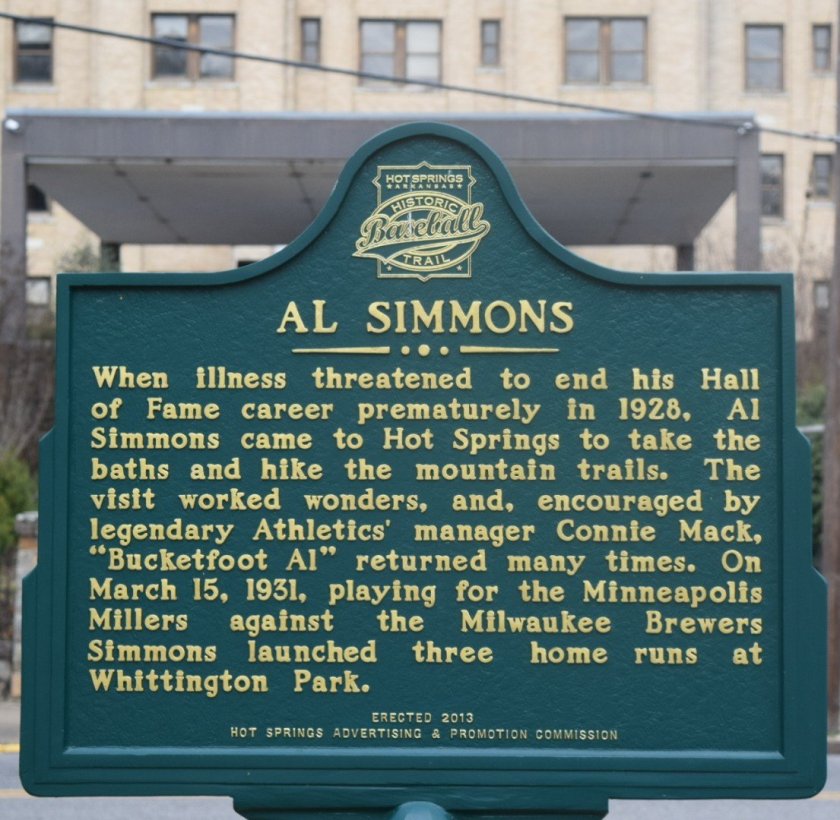

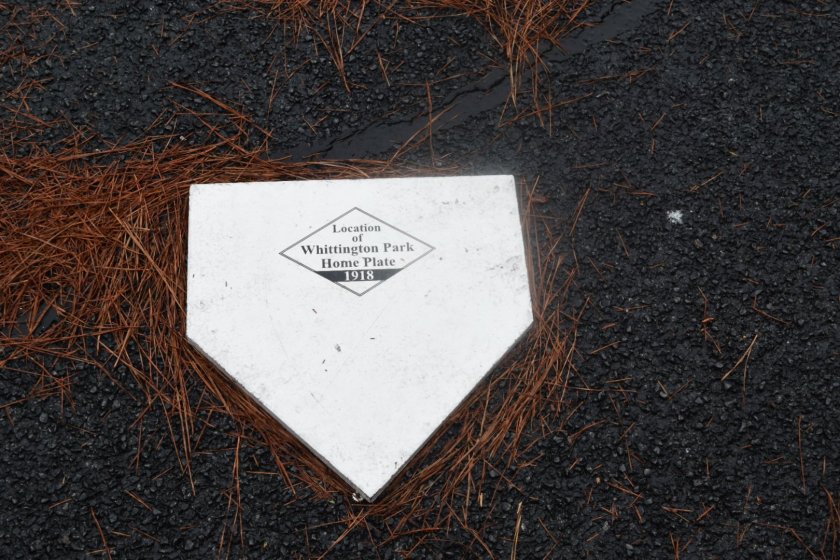
In 1918 the Babe hit a home run over 500 feet, landing in the alligator farm.

 TOAL-Trip of a Lifetime