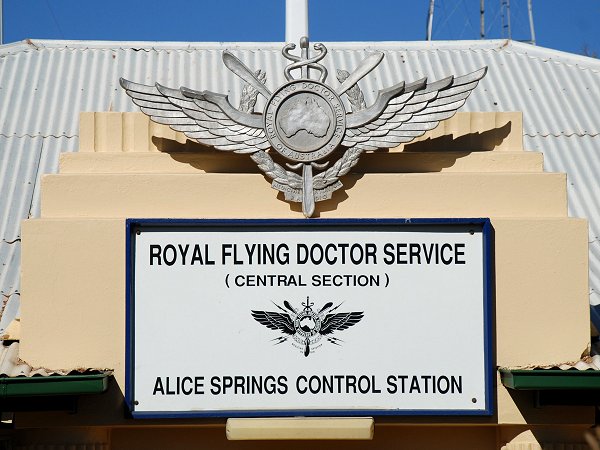
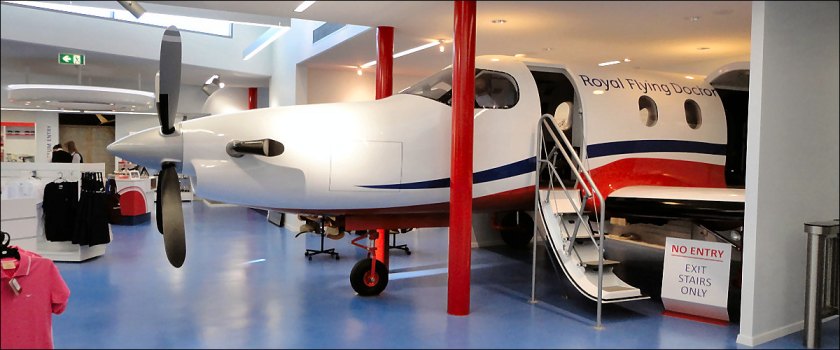
Royal Flying Doctor Service in Australia

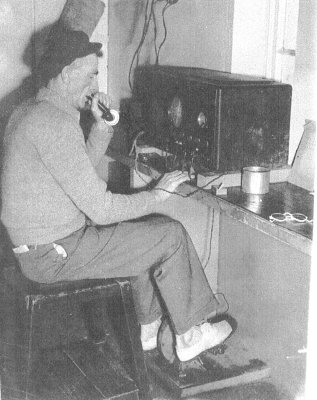
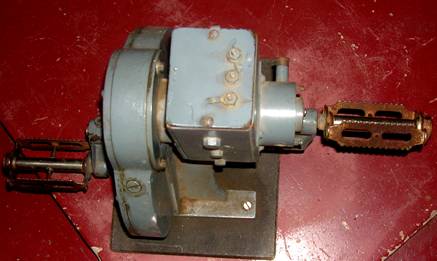
Around the mid 1920’s, the pedal radio was invented. These were distributed to many remote cattle and sheep stations, missions and remote settlements. There was a great need for medical care to these remote areas, so the idea for the Royal Flying Doctor Service was formed.  The company that would become Qantas Airlines gave them their first aircraft, VH-UER a De Havilland DH.50.

090916_TOP_flying_Dr

Today, there is still a great need for medical care in these remote areas. Royal Flying Doctor Service provides

  • Emergency – primary aeromedical response to accident or illness
  • Emergency – secondary aeromedical evacuation and medical retrieval services
  • Telehealth – 24 hours per day, 7 days per week, medical consultation services by radio, telephone or video call
  • Primary health care clinics – the transportation of a medical doctor for regular clinical visits to remote areas. Clinics include general practice, nursing services, child and maternal health, Aboriginal and Torres Strait Islander health, Rural Women’s GP Service, mental health, dental services, allied health and medical specialists.
  • Consultation, communication, and support for rural and remote doctors across Australia
  • Inter-hospital transfer of patients
  • Education and training opportunities and midwifery scholarship

Such a wonderful service!584fd0a02fc6d117baaae960552bf0febbbba2bbPedal_Radio


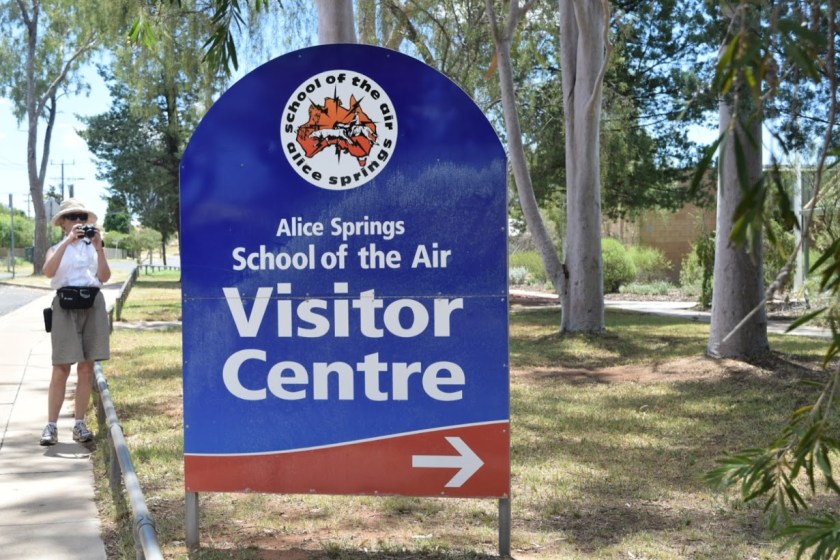
School of the Air Alice Springs Australia

Australia is huge and many areas are remote. The School of the Air was started in 1951 and covers 521,000 square miles. The average is 120 students a year, over the past 20 years in Alice Springs. There are Schools of the Air in all states and the Northern Territory. Most students live on cattle stations, tourist facilities, military bases, national parks, camel farms, mining towns and aboriginal communities. When a child turns 4 1/2 they can join pre-school. The school covers through Year 9 of education.

This began in 1951 with correspondence courses through the mail as well as daily interaction with the teacher, via pedal radio. You thought walking to school was bad..uphill both ways.

Today they use computers and online instruction as well.

Once a year the teacher visits each student. Planned get togethers for sports and socialization occur 4 times a year. Each student is required to have a home tutor, usually a parent although some families do hire a tutor. The tutor supervises the student and grades the homework.

Aboriginal communities usually have an onsite school with instructors. Many aboriginal communities do not speak english so the onsite teacher can provide additional support.

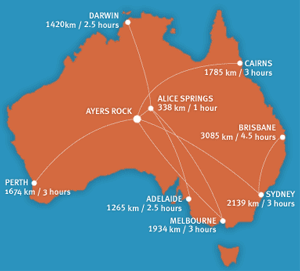
The map photo gives an idea of the size of Australia, length of time is by air flight on the map.

a2a122a3Pedalradio generatora4

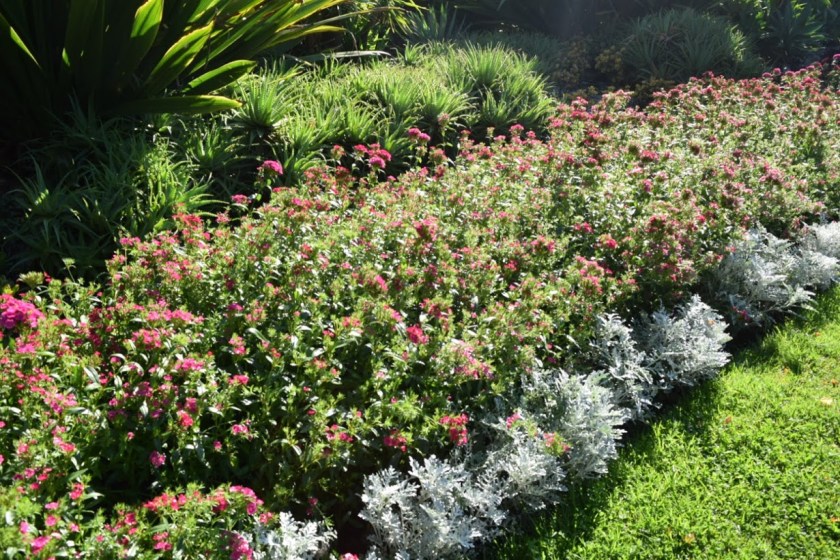
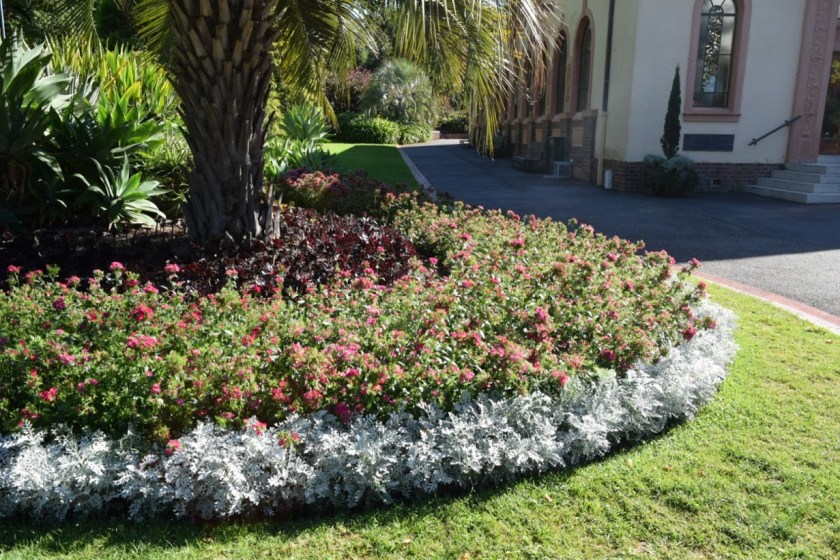
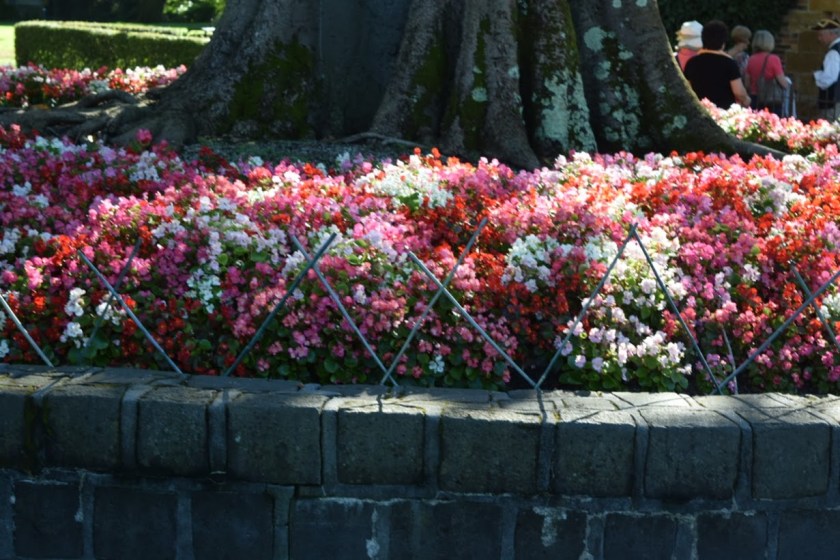
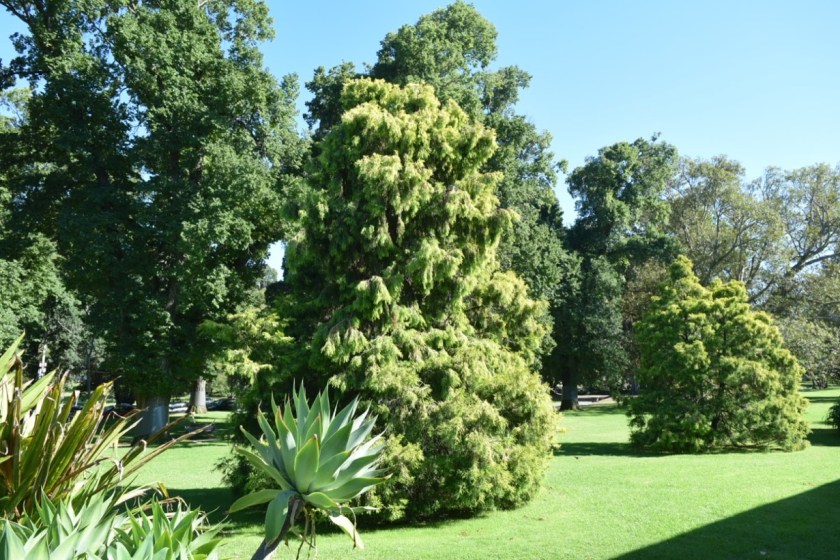
Fitzroy Gardens Melbourne Australia

Fitzroy Gardens was named after Sir Charles Augustus Fitzroy (1796-1858), Governor of New South Wales and Governor-General of the Australian Colonies . It was begun in 1848, when 64 acres of land were set aside for the gardens.

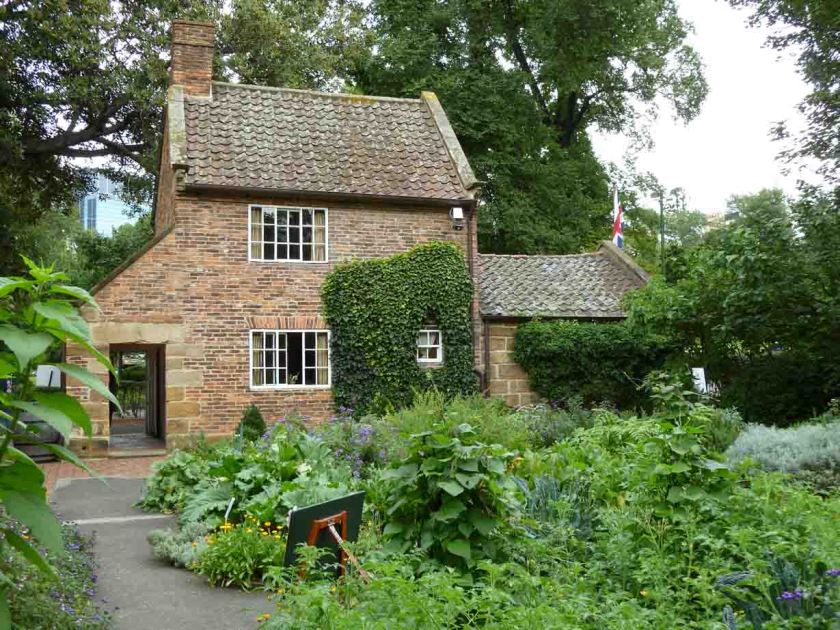
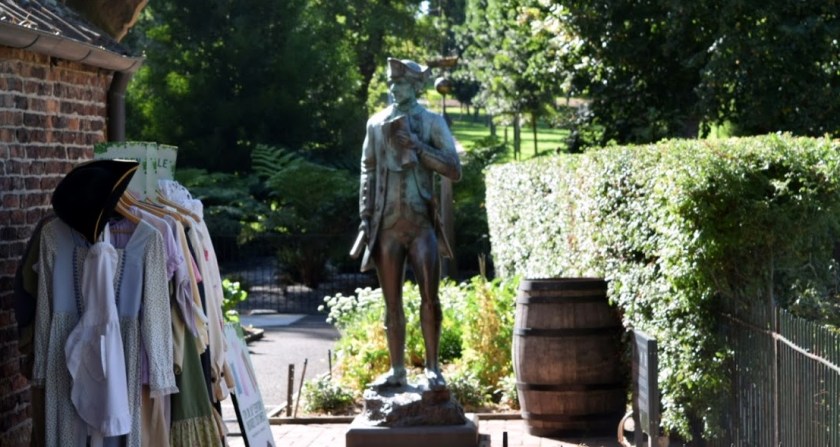
To honor Captain James Cook, who discovered the eastern side of Australia in 1770, Cooks parents house in Great Ayton, Yorkshire was purchased and moved to the Fitzroy Gardens. To complement the cottage, an authentic mid 18th century Yorkshire cottage garden has been recreated. The garden is comprised mostly of plants native to Great Britain and Northern Europe as exotic varieties were rarely found in country villages.

a1Cooks_CottageCooks_Gardena6Some of the roses are of very ancient pedigree, the White Rose of York having been planted in Greek and Roman times. The vegetable garden was an essential asset to such a cottage and the gooseberries included here were very popular for both eating and for display in local competitions. The “chamomile lawn” is composed of one of the oldest herbal plants of English and European gardens. “Chamomile teas” were taken medicinally for a great range of ailments. In Captain Cook’s time a millrace formed the boundary of the garden, and this feature has been faithfully recreated.
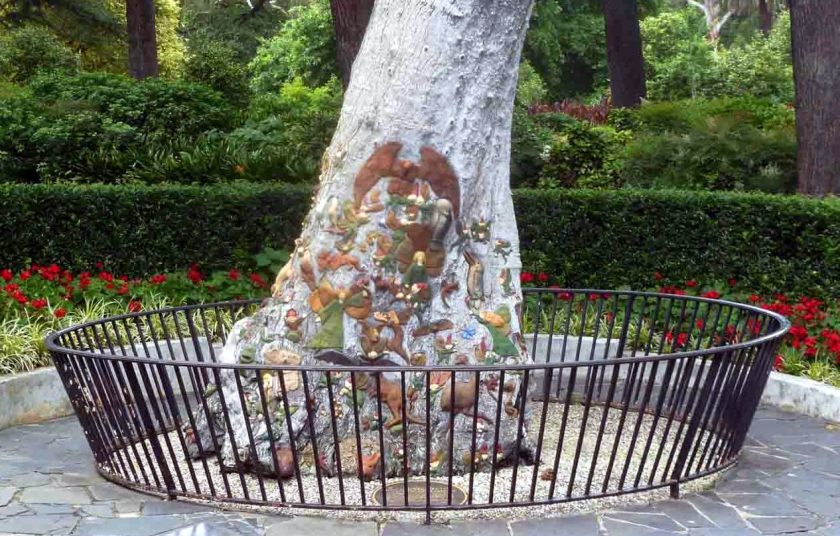
From 1931 to May 1934 Ola Cohn worked on the delightful likenesses of fairies, dwarfs, gnomes, a marvelous jackass, koalas, flying foxes and a host of typical Australian animals and birds. She used all the natural irregularities and curves to transform the tree trunk into a thing of beauty.Fairies_Tree
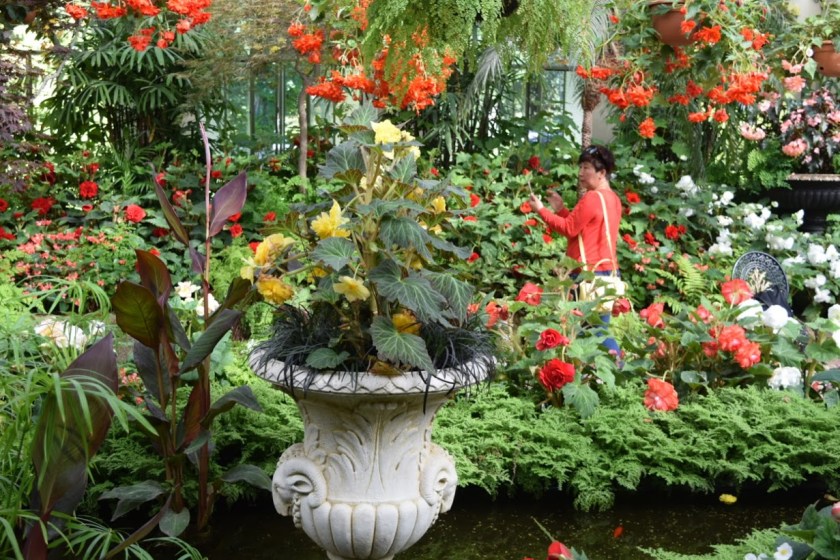
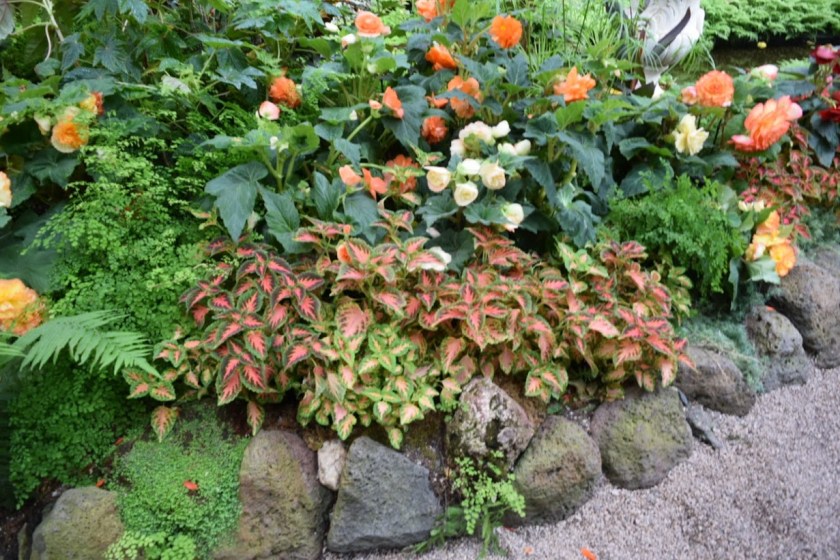
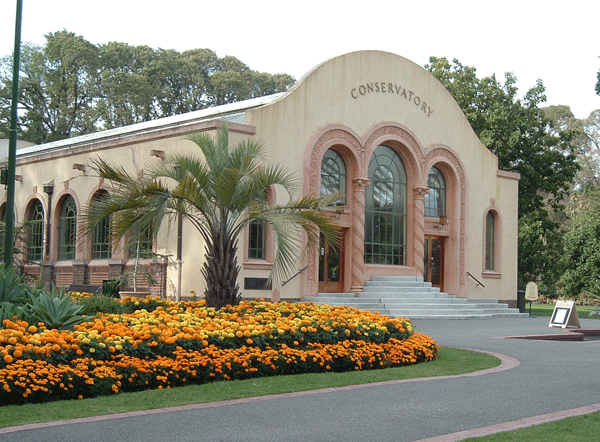
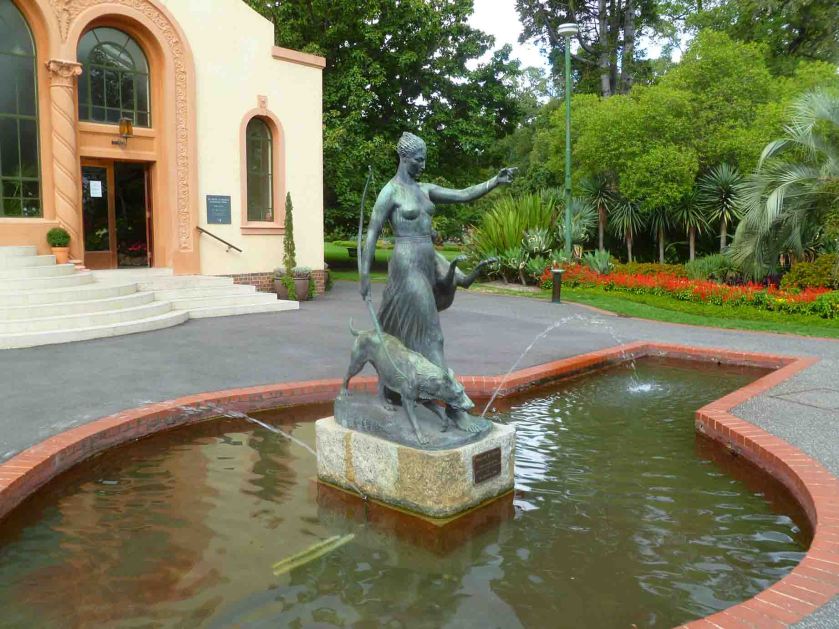
The conservatory was opened in 1930. It is amazing!

ConservatoryDianaDSC_0432DSC_0431DSC_0427a10a9a8a2a3a4

DSC_0436a5

The Most Dangerous Animal in Australia

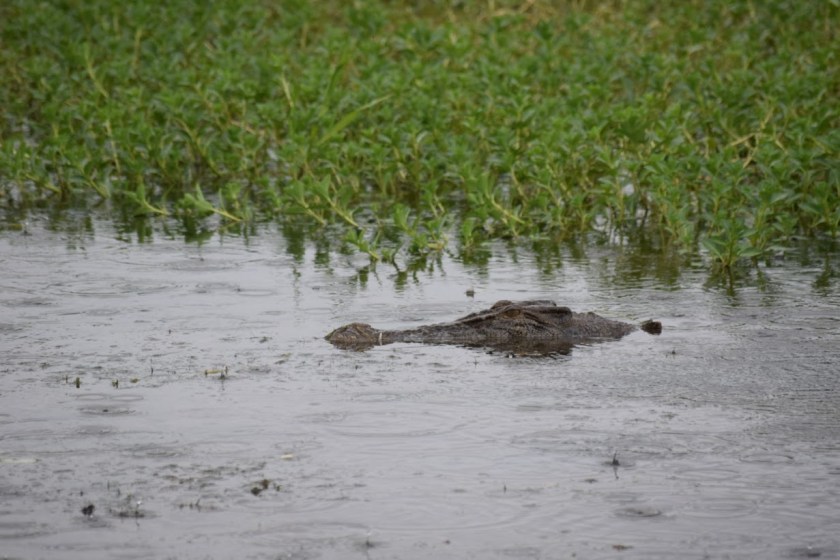
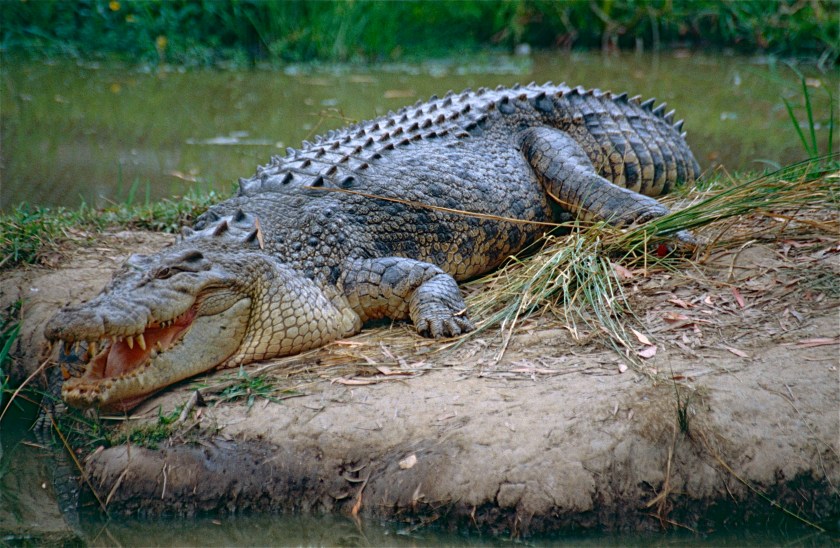
Crocodiles, especially the saltwater crocodile or Saltie. Females can grow to 12 feet, males can grow to 21 feet. Saltwater is a misnomer, they are found in rivers, lagoons, swamps as well as the ocean. Salties eat mainly small reptiles, fish, turtles, wading birds  but they can also kill and eat wild pigs, buffaloes, cattle and horses. These crocs are fiercely territorial. One or two people in Australia die from Salties, many more are attacked each year. Obeying the signs, staying out of croc filled water is essential. Crocodiles were hunted to near extinction so in 1974 they were made a protected species. Now it is illegal to shoot crocodiles. They are raised in legally licensed crocodile farms, which then sell the meat and hides.

Darwin harbor sets crocodile traps, collecting 250 to 300 each year which are sent to crocodile farms. Photo of croc sunning himself on top of trap.

The freshwater crocodile, Freshie, can grow to 7 to 9 feet in length. They are timid and rarely attack humans unless cornered.a3Sans nom-799ec471683c3ae4a6f91630190c08189c2

Feral Water Buffalo in Australia

Water buffalo were brought to Northern Australia in the 1800s to provide meat for remote settlements. When some of these settlements were abandoned, the buffalo spread across the northern wetlands. Water buffalo carry brucellosis and tuberculosis that can be transmitted to cattle. Some farmers raise buffalo for meat and live export. Current estimates of 150,000 feral water buffalo currently in northern Australia. Two types, river type with curled horns from western Asia and swamp type from eastern Asia with swept back horns.

water-buffalo-in-kakadu-national-parka3a1

Feral Camels in Australia

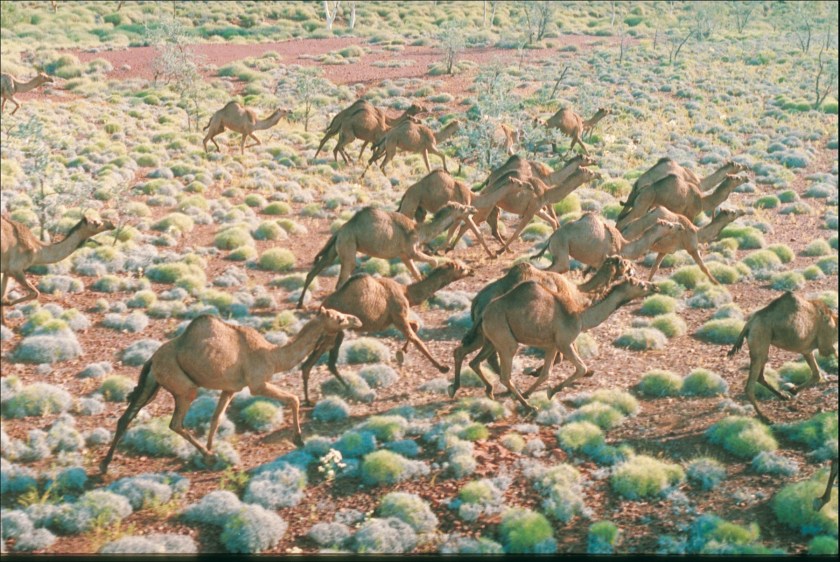
Camels came to Australia in the mid 1800s, along with cameleers from British India and Afghanistan. They were used to build roads, bridges, airstrips and the railways. Cameleers ran camel trains, transporting goods and wool bales across Australia. Some of these camels escaped into the outback. When motor vehicles replaced the use of camels, many were turned loose. There were as many as a million feral camels in 2008, roaming 1.3 million square miles of sparsely populated outback. The Australian government is attempting to reduce their numbers. Camel meat and riding camels are sold to the Middle East countries. The last official count I could find was around 300,000 to 600,000 feral camels in 2013. The majority are dromedaries, the one hump type of camel. The government is promoting camel meat in Australia. The Aussies that we met were not convinced.Feral camelsa1a2

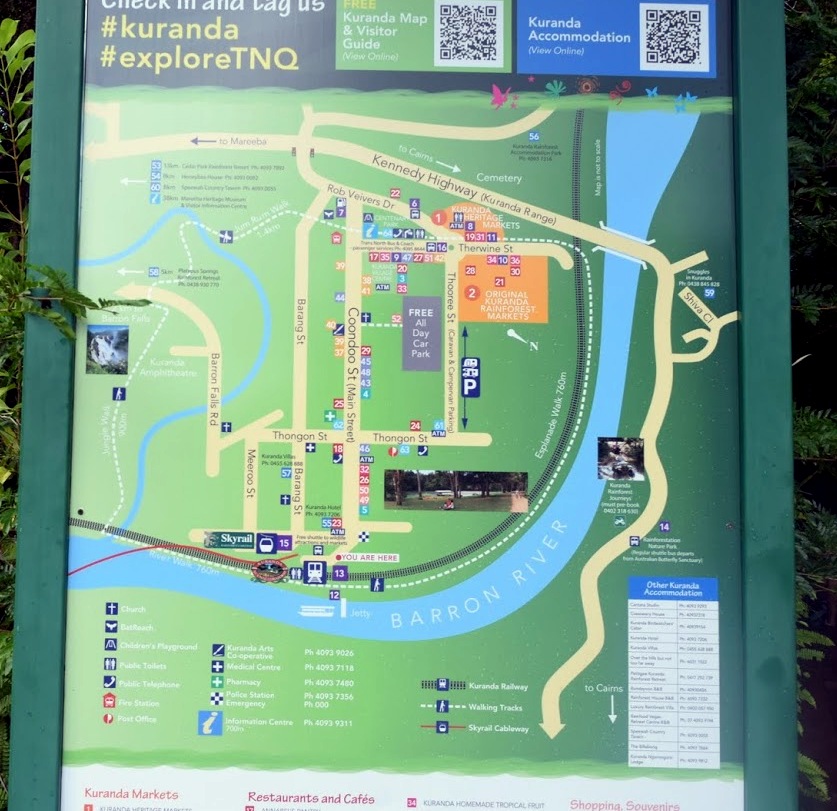
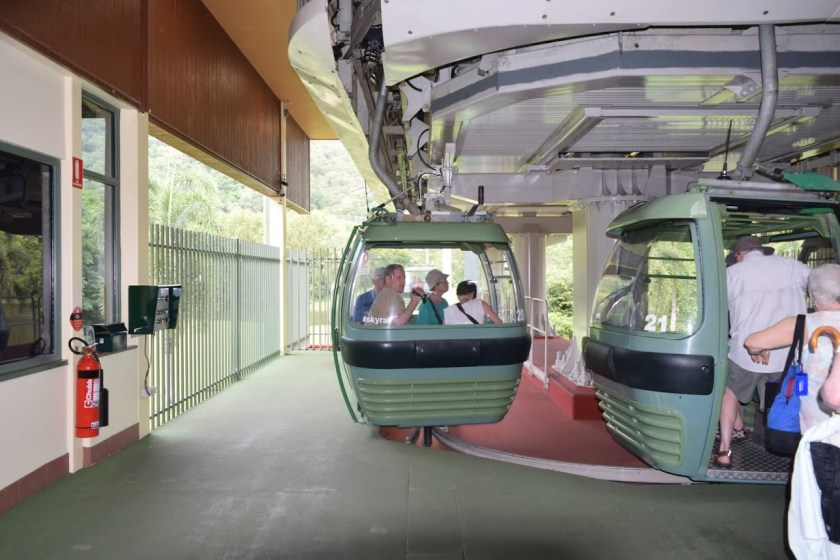
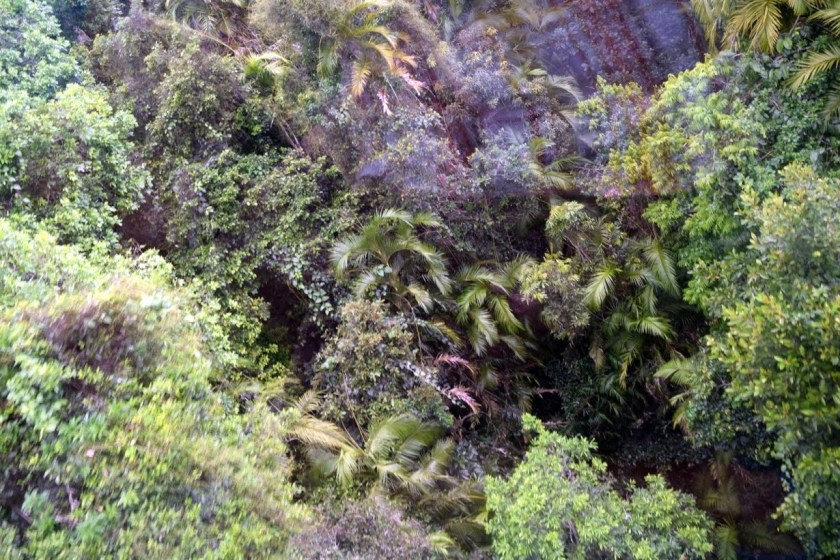
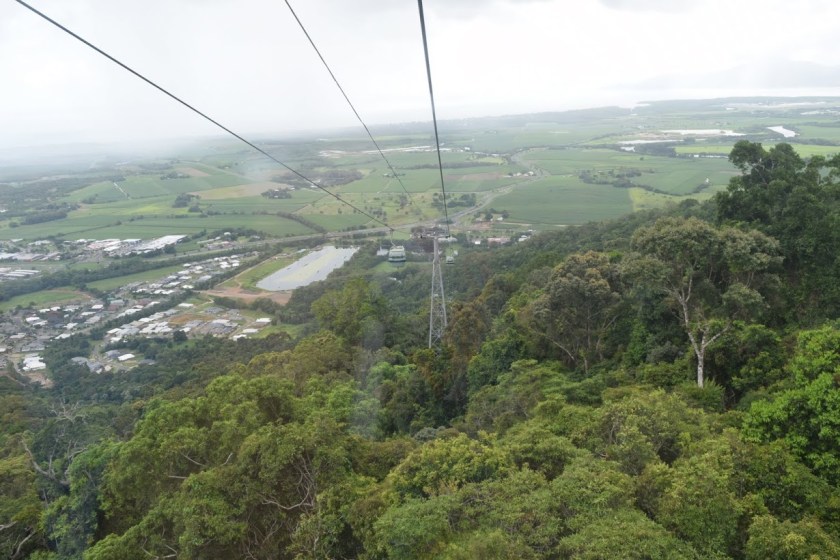
Kuranda Skyrail over the Tropical Rainforest

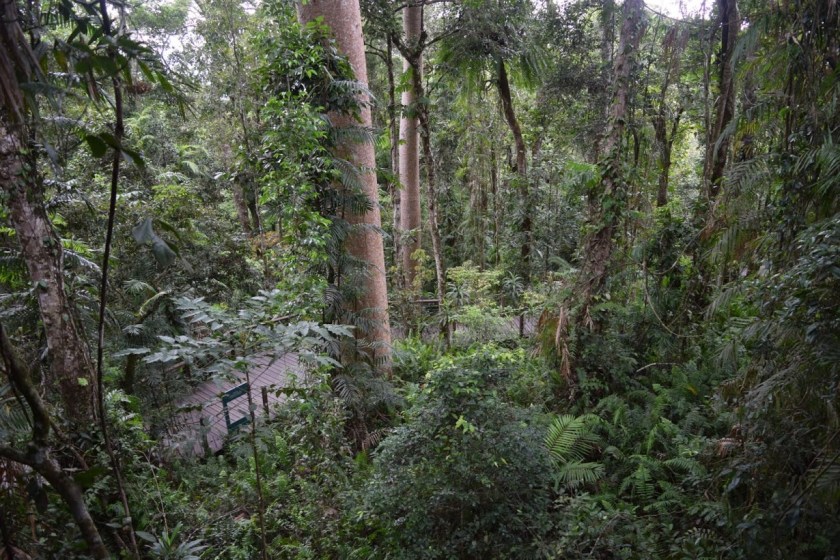
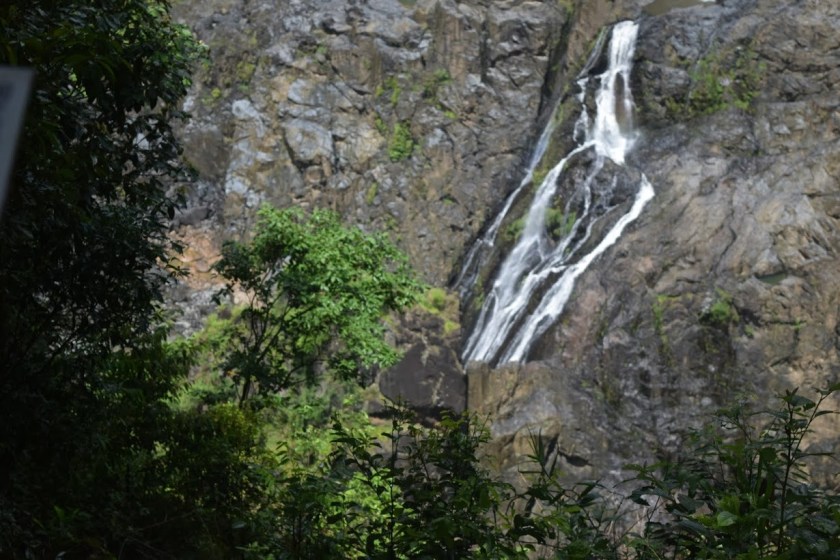
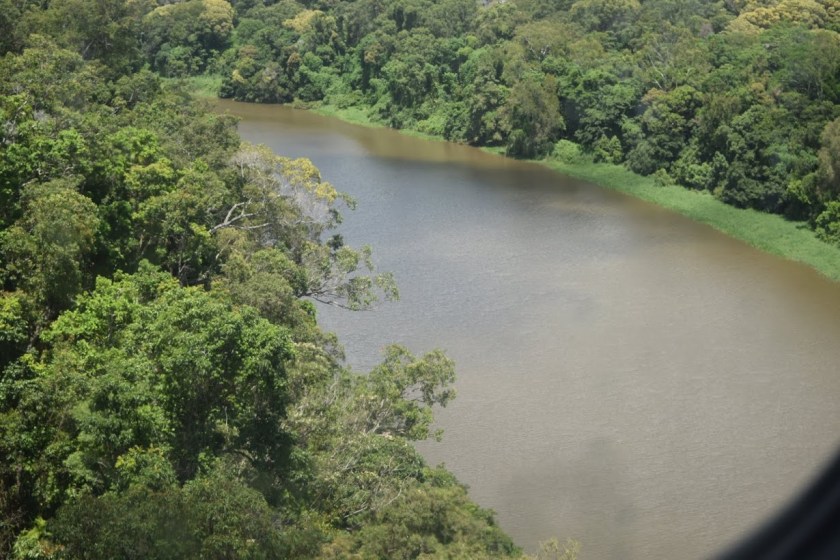
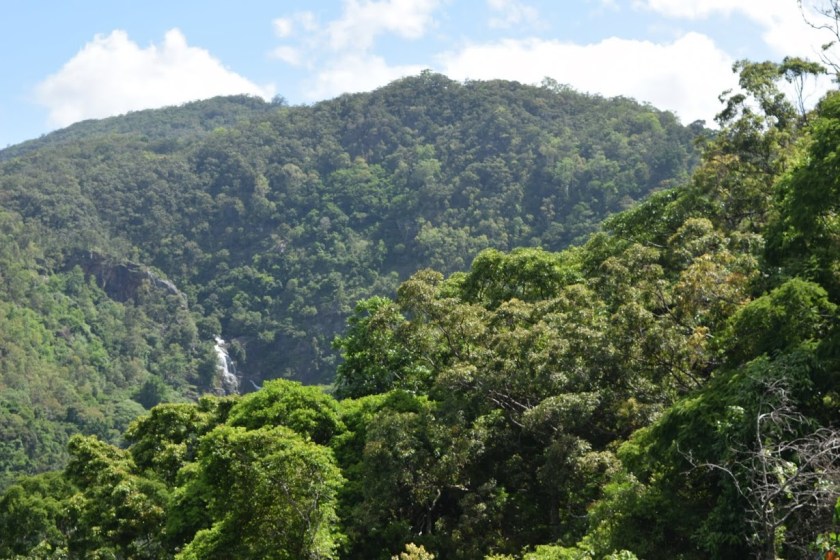
One and half hour ride from Smithfield to Kuranda. Riding in a gondola over the Wet Tropics, a world heritage site of 5500 miles of pristine rainforest.  This contains plants and animals not found anyplace else on earth.  q1q2q3q4q6q8q10q11q12q13q14q15q16q17q18q20q19q22q23There were stops along the way to walk a short path through the rainforest with a ranger guide. The waterfall is Barron Falls. The white spots on the windows are rain.

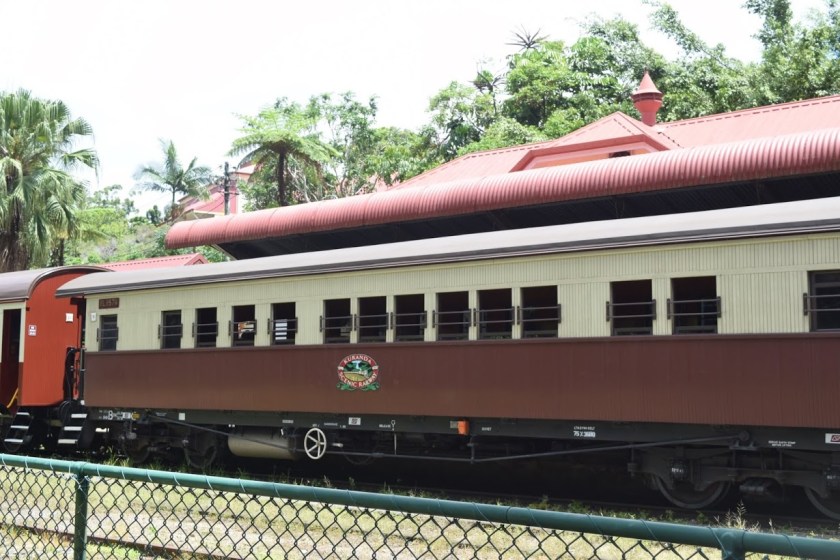
Kuranda Scenic Railway near Cairns Australia

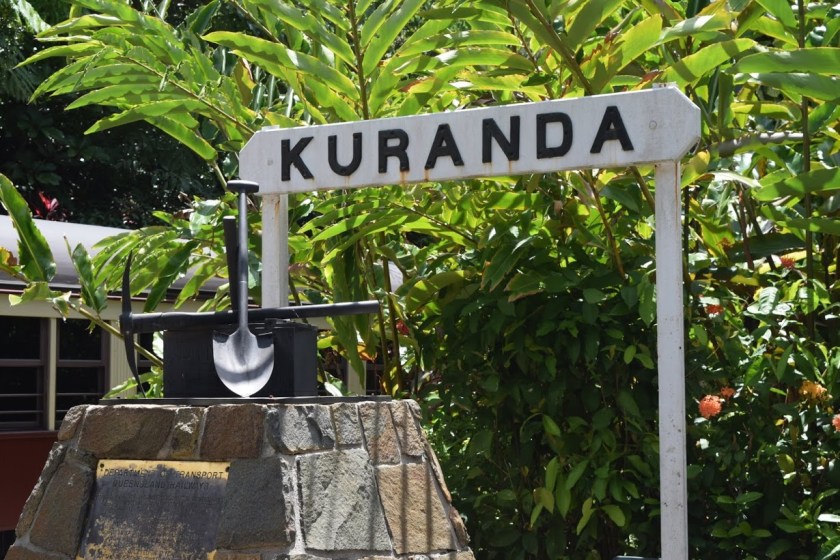
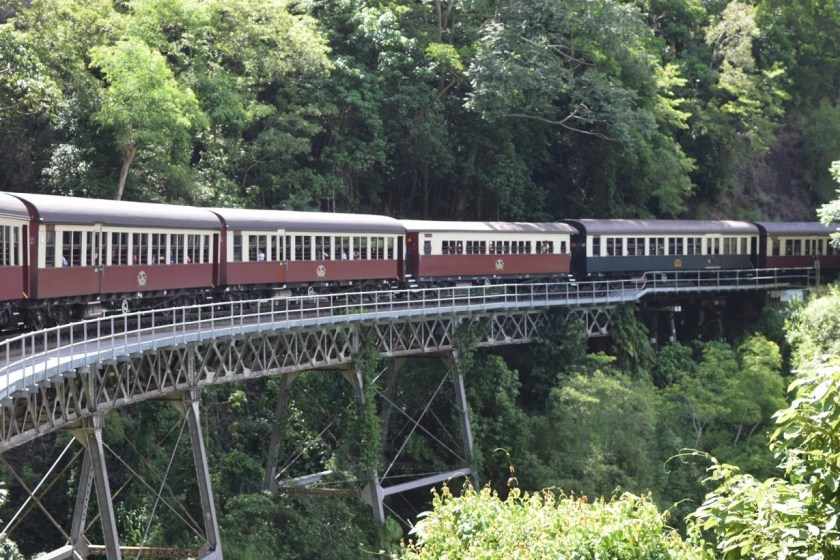
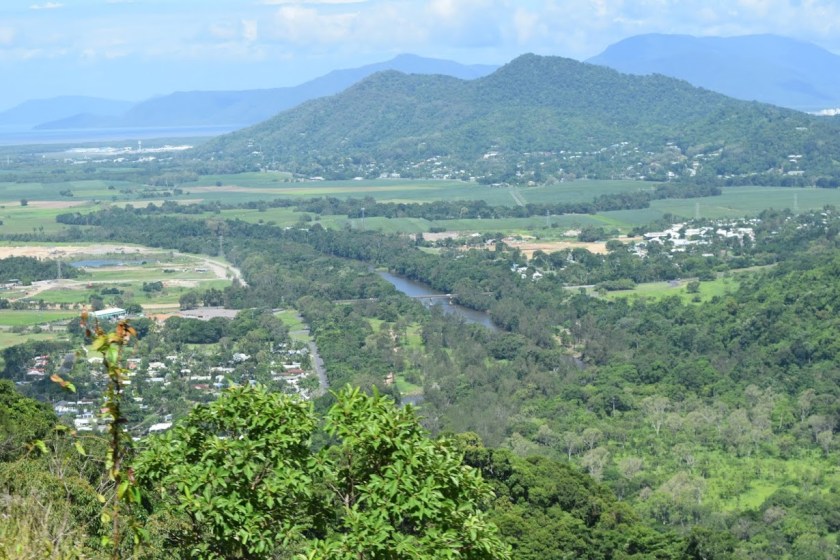
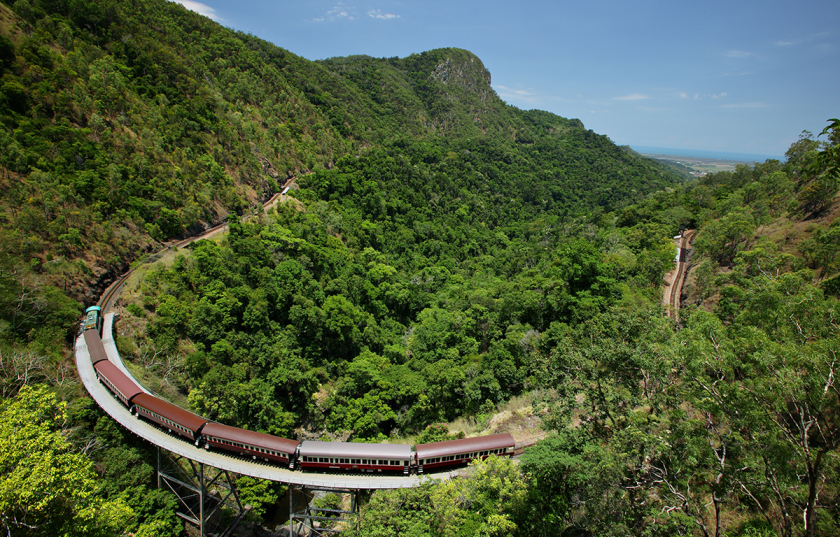
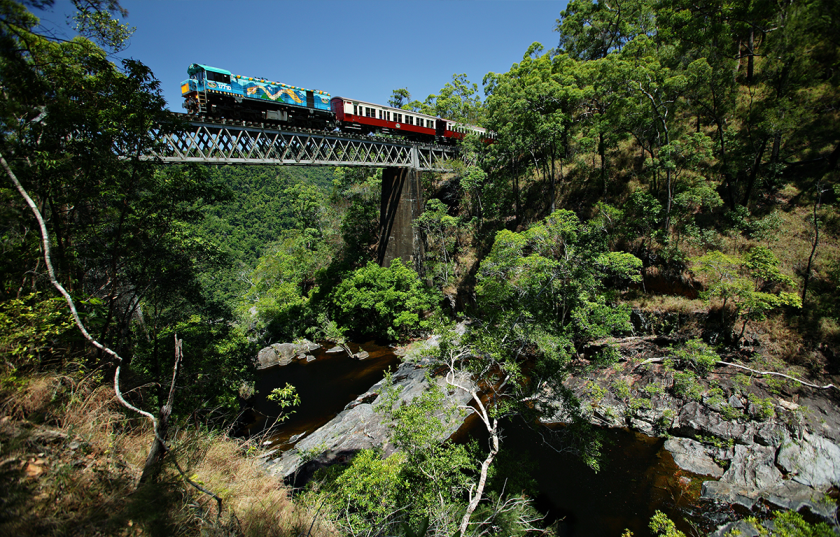
The Cairns-Kuranda Railway was constructed between 1882 and 1891.  About 1500 men built the 23 miles of track, 15 hand-made tunnels and 37 bridges through the harsh tropical rainforest full of poisonous spiders and snakes. The train goes from sea level at Cairns to 328 meters up the Macalister Range. The original purpose of the train was to connect the tin mining town of Herberton to Cairns. During WWII,  Kuranda was one of the busiest stations handling freight for the many troops which were stationed on the Atherton Tablelands from early 1943 for rest, rehabilitation and training in a malaria-free environment close to New Guinea. Traffic at this time was so great that the road from Cairns to Kuranda was constructed to relieve congestion.  It also moved a lot of soldiers between huge military camps and hospitals.

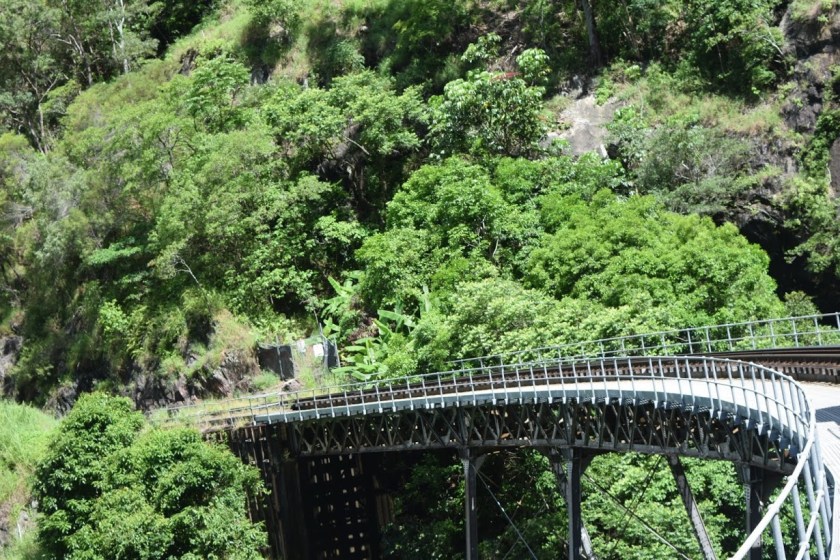
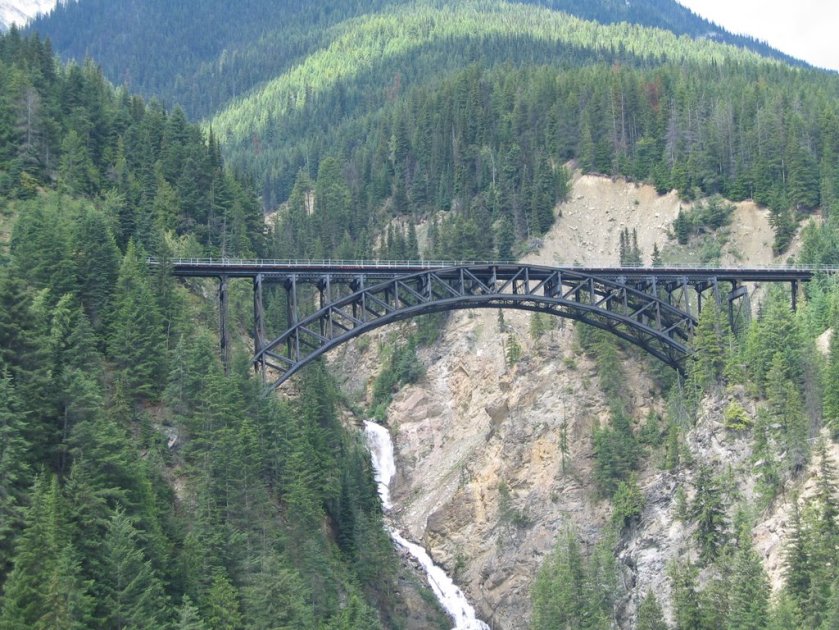
The Governor of Queensland, Sir Henry Wylie Norman, in April 1890 visited the railway while still under construction.  An open air platform with a banquet table, near the waterfall, had been set up on the almost completed Stoney Creek Bridge. There were no speeches due to the roar of the waterfall immediately behind the bridge.

Today it is a popular tourist attraction. The trip is narrated, telling the history of the train as well as the Aboriginal story of Buda-Dji,  the Carpet Snake who, in the dreamtime, carved out the Barron River and the creeks that join it. Dreamtime is a word used by  anthropologists to refer to Aborginal beliefs. The dreamtime is the Aboriginal understanding of the world and it’s creation.s1s2s3s4s5s6s7s8s9s10s11Image-rotator_KSR_4_1200x768Image-rotator_KSR_1_1200x768

Stoney Creek bridge where the banquet was held for he Governor of Queensland, Sir Henry Wylie Norman, in April 1890. I hope they did not serve alcohol. Imagine Sir Henry’s surprise, unable to give his speech due to the roaring of the waterfall.stoneycreekbridge