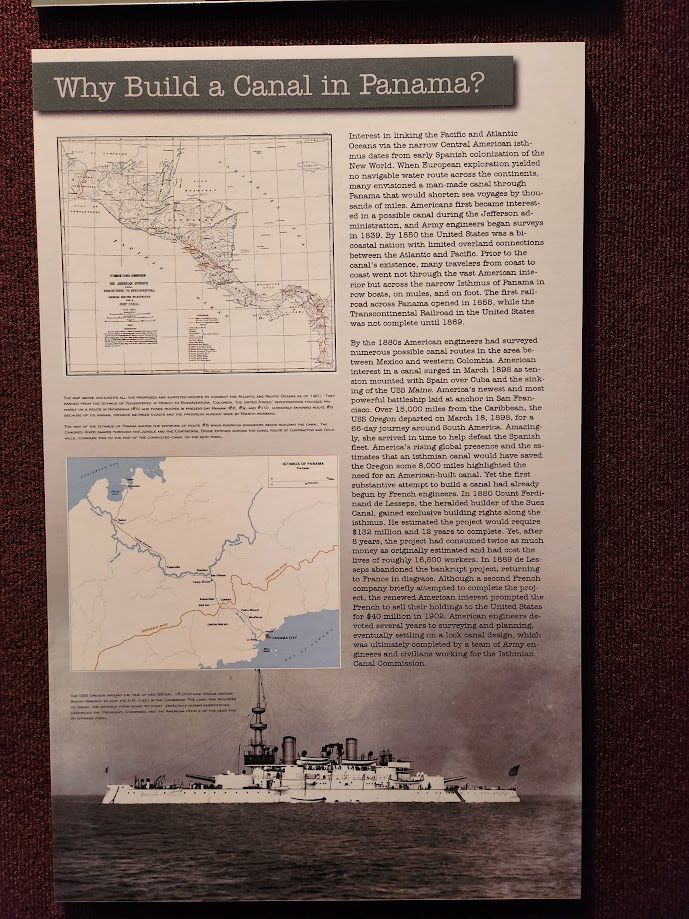
13 gun ironclad weight 888 tons crew of 175
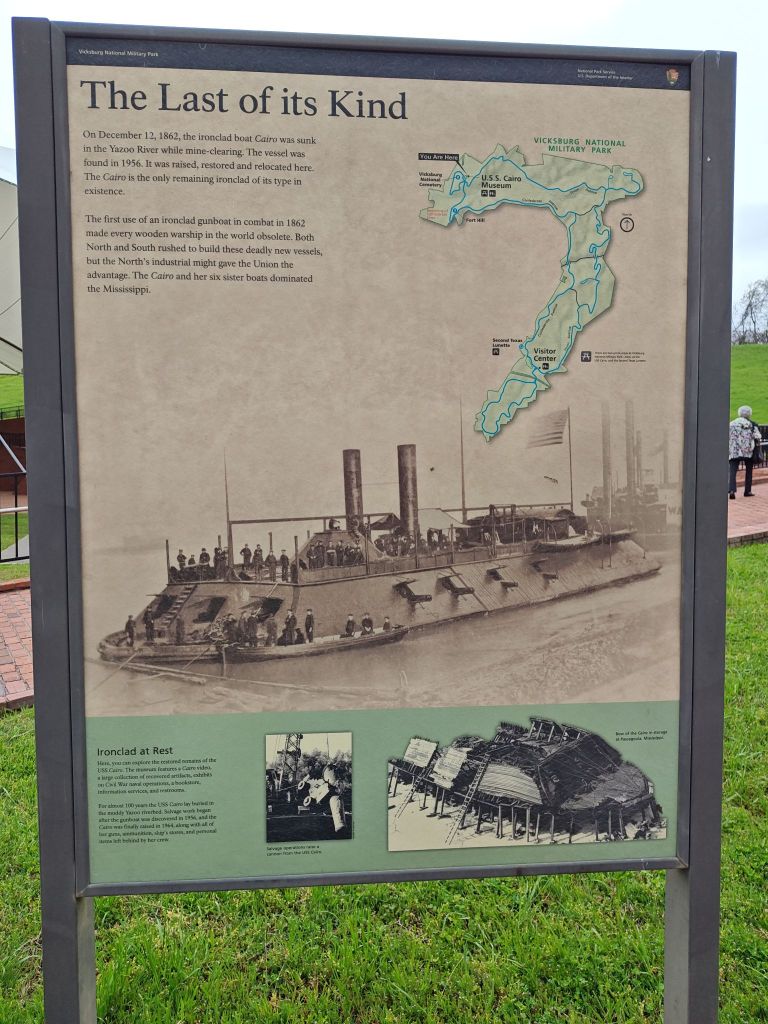
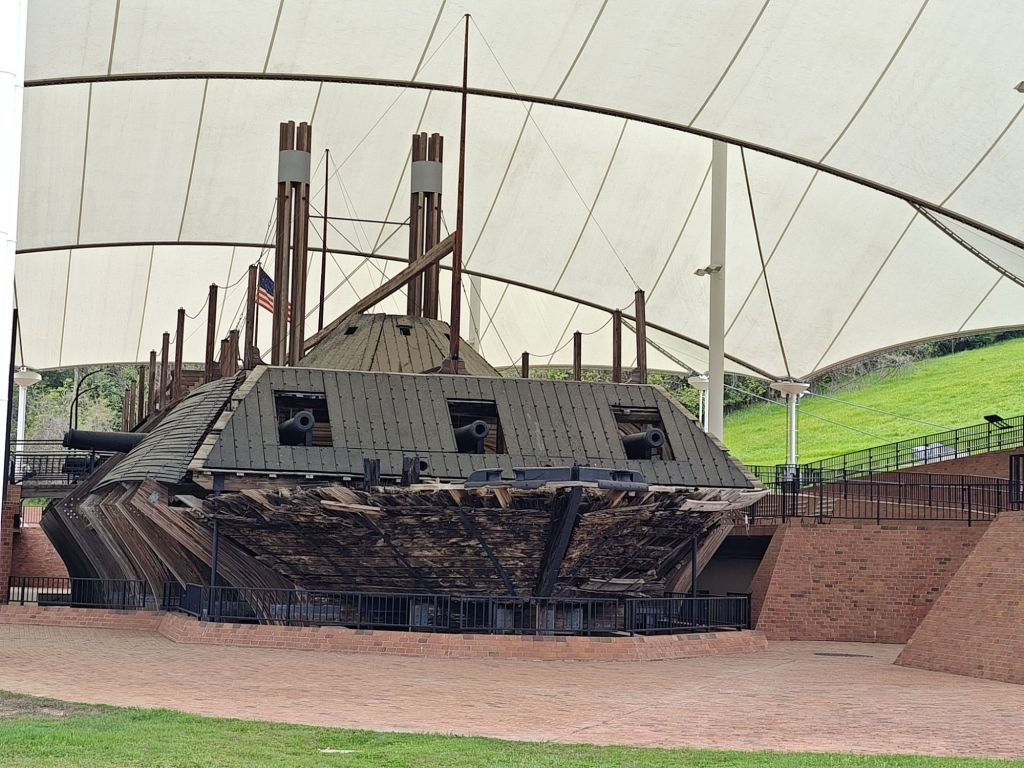
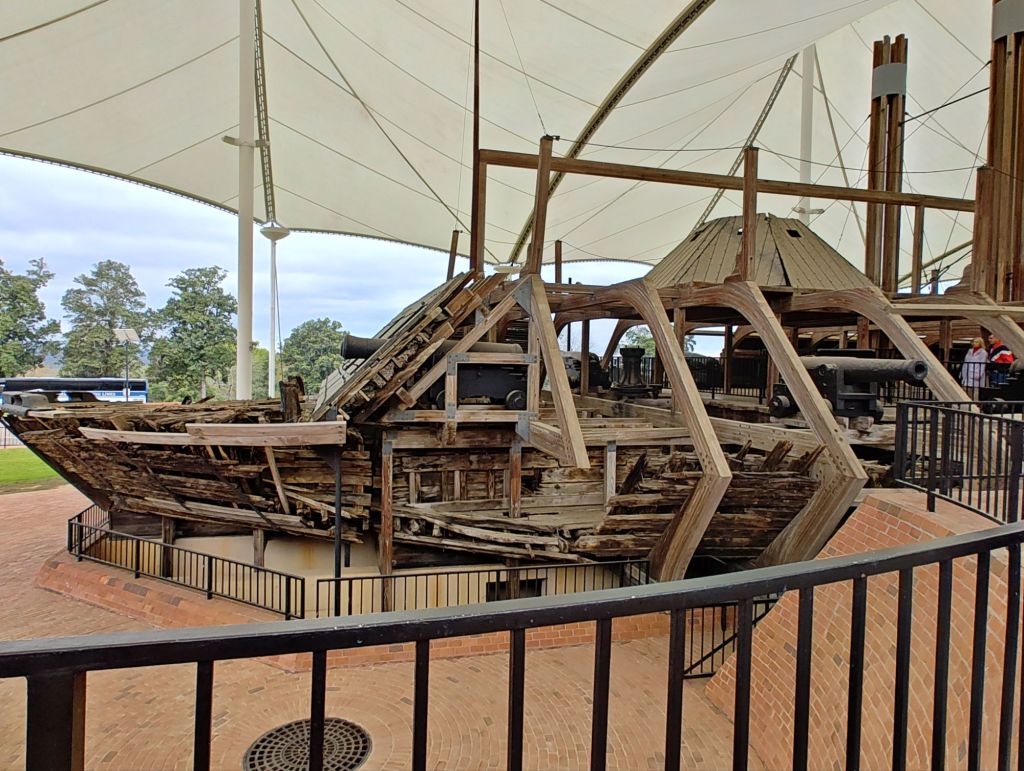
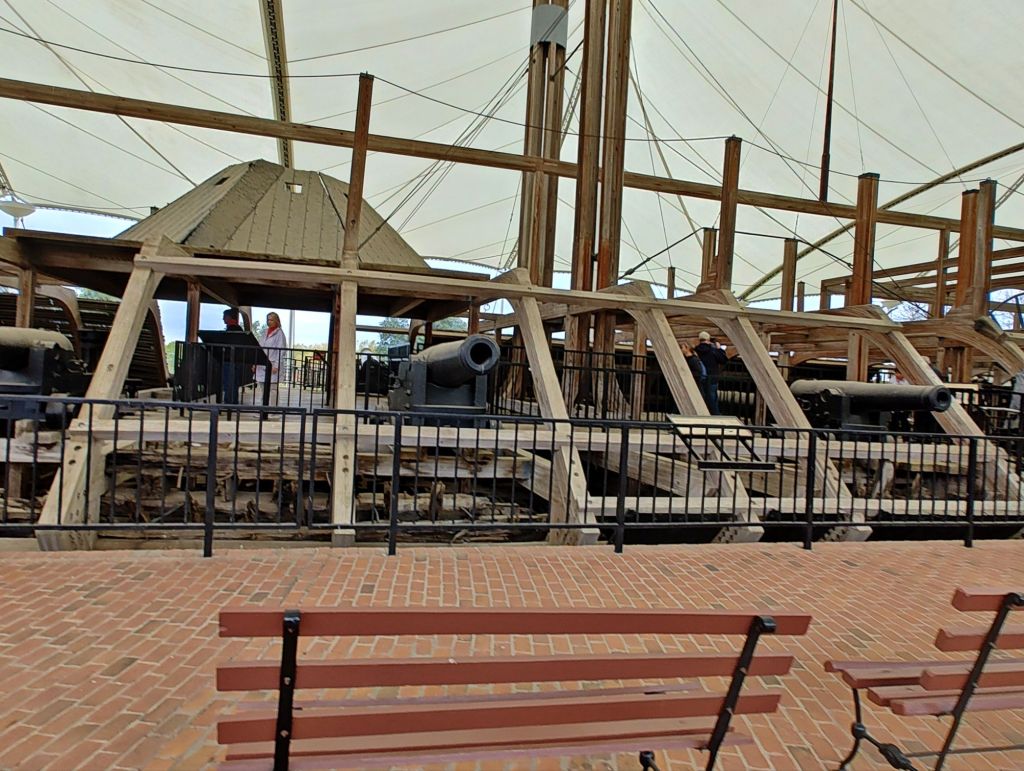
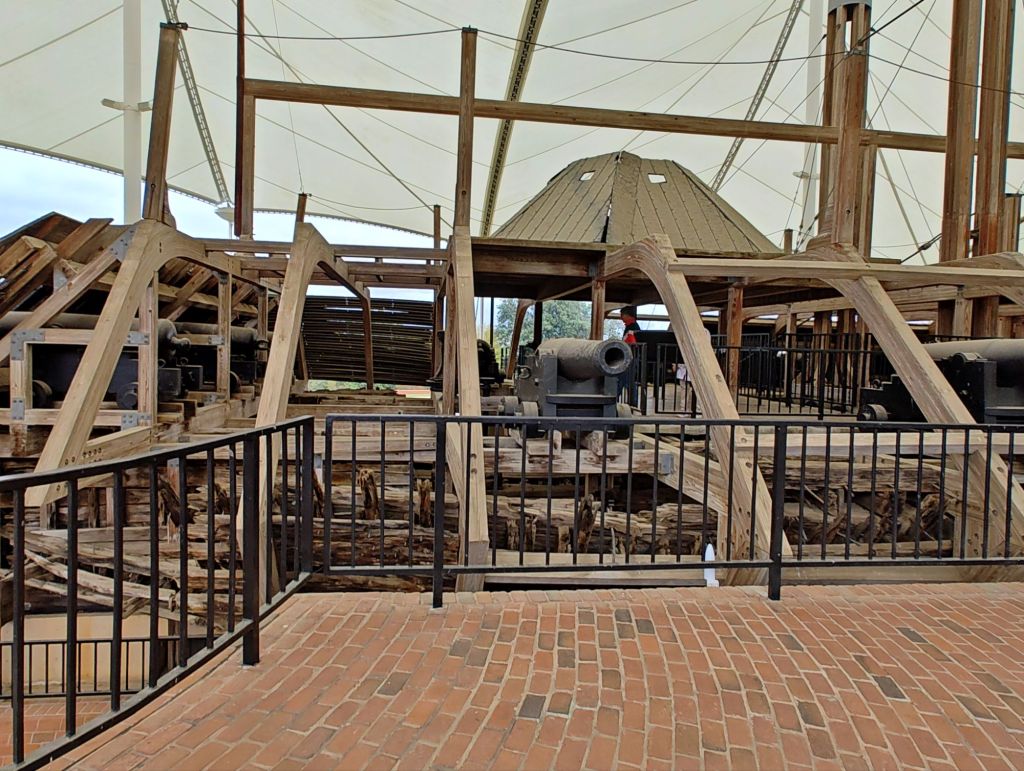
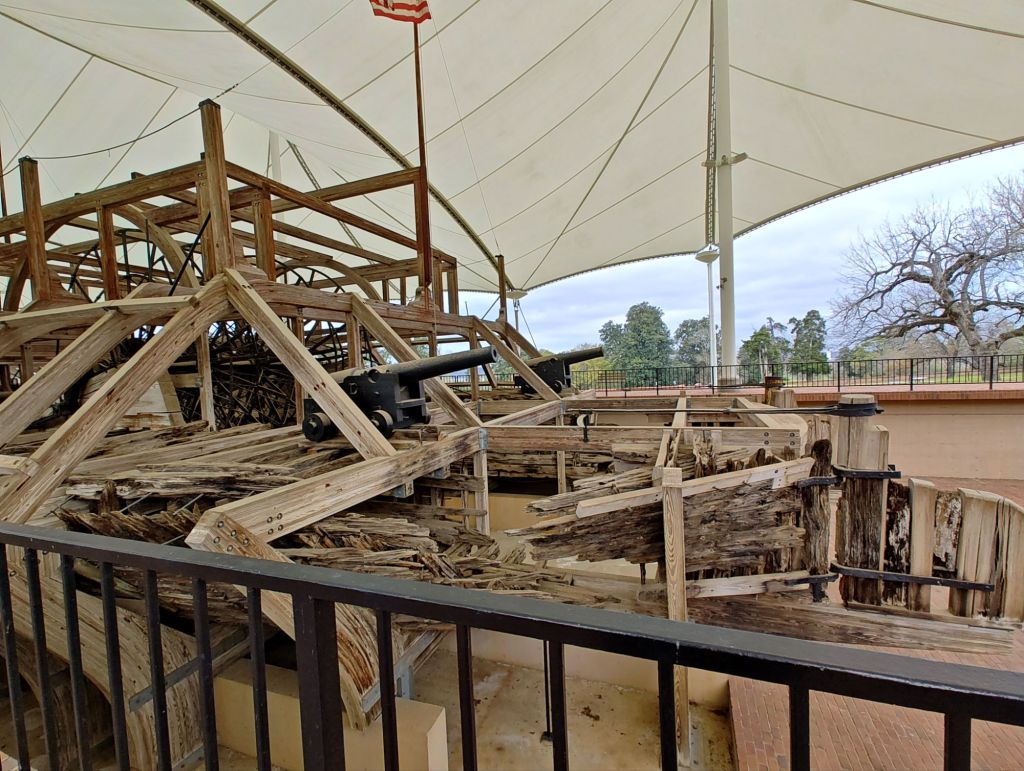
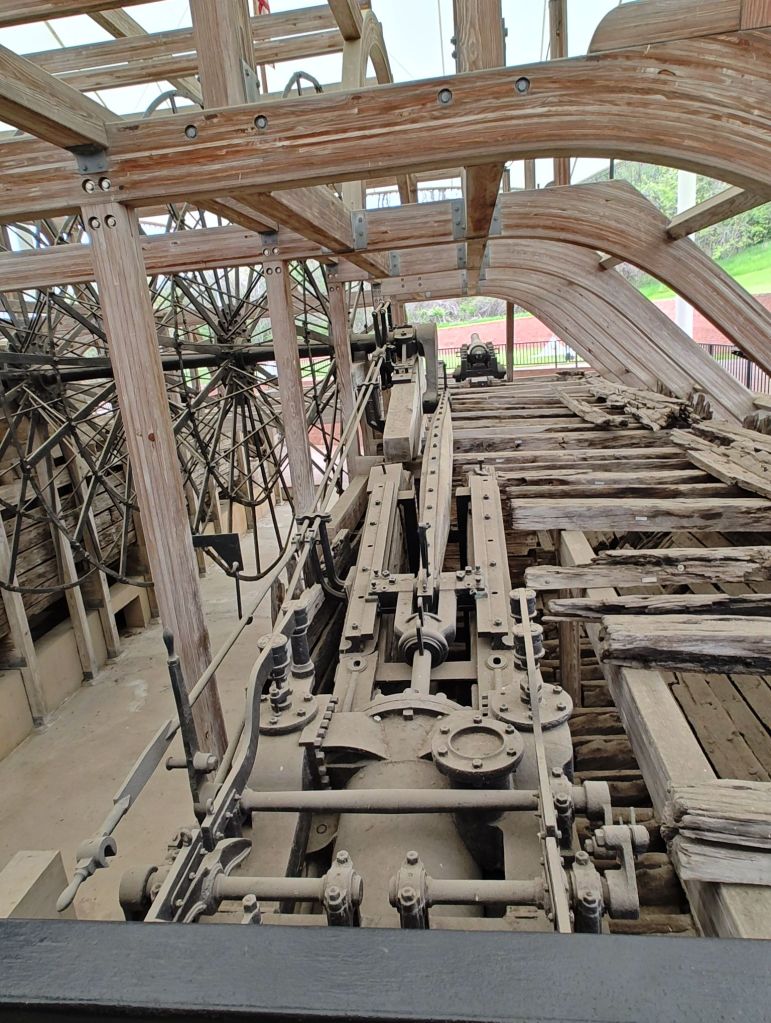
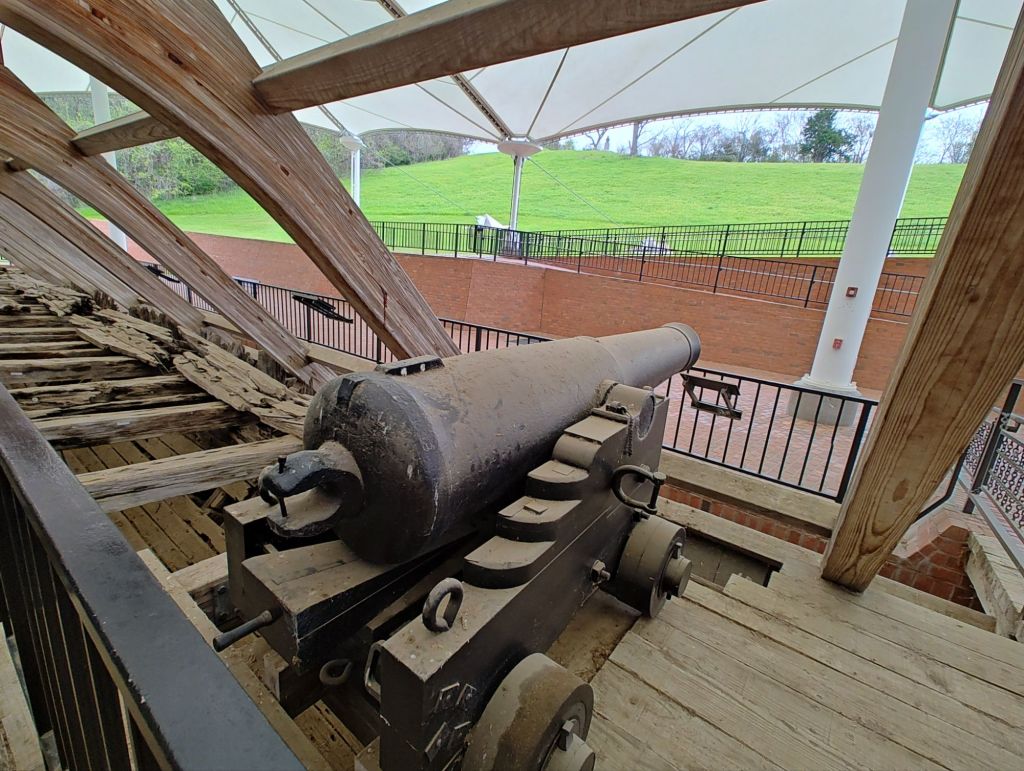
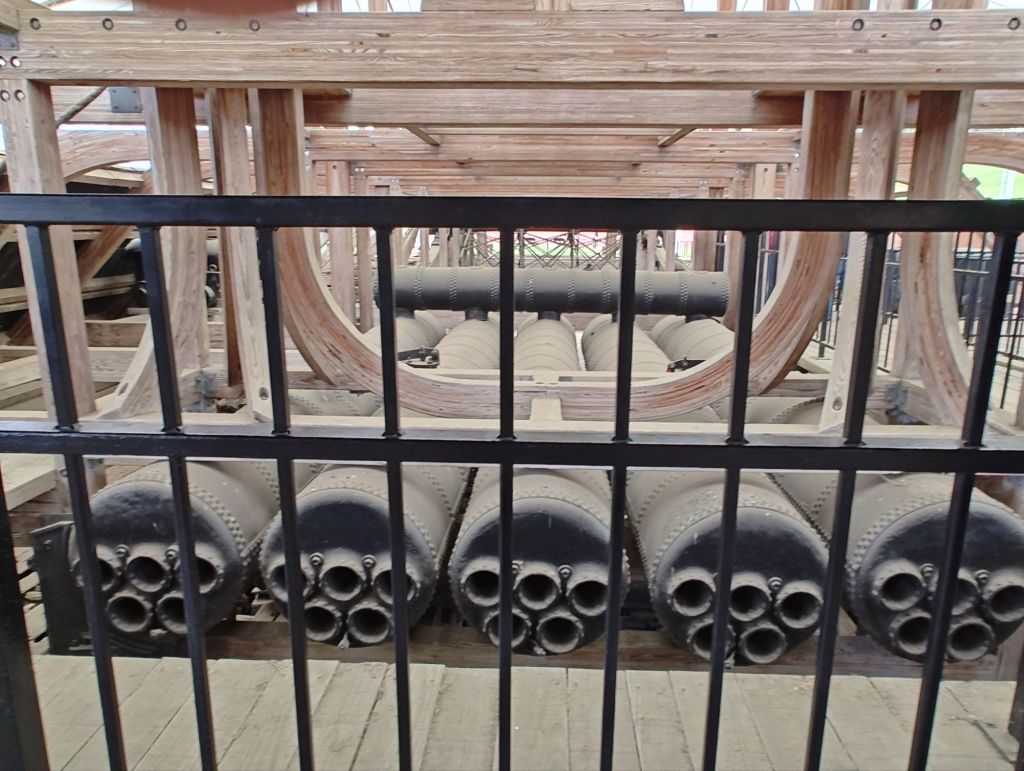
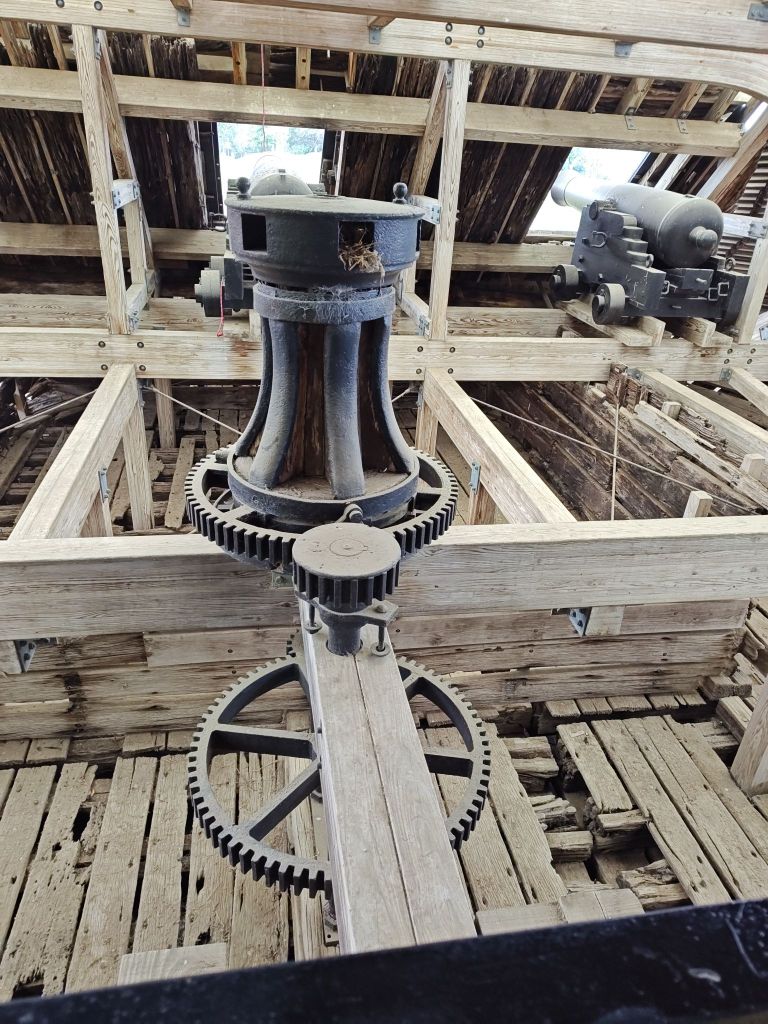
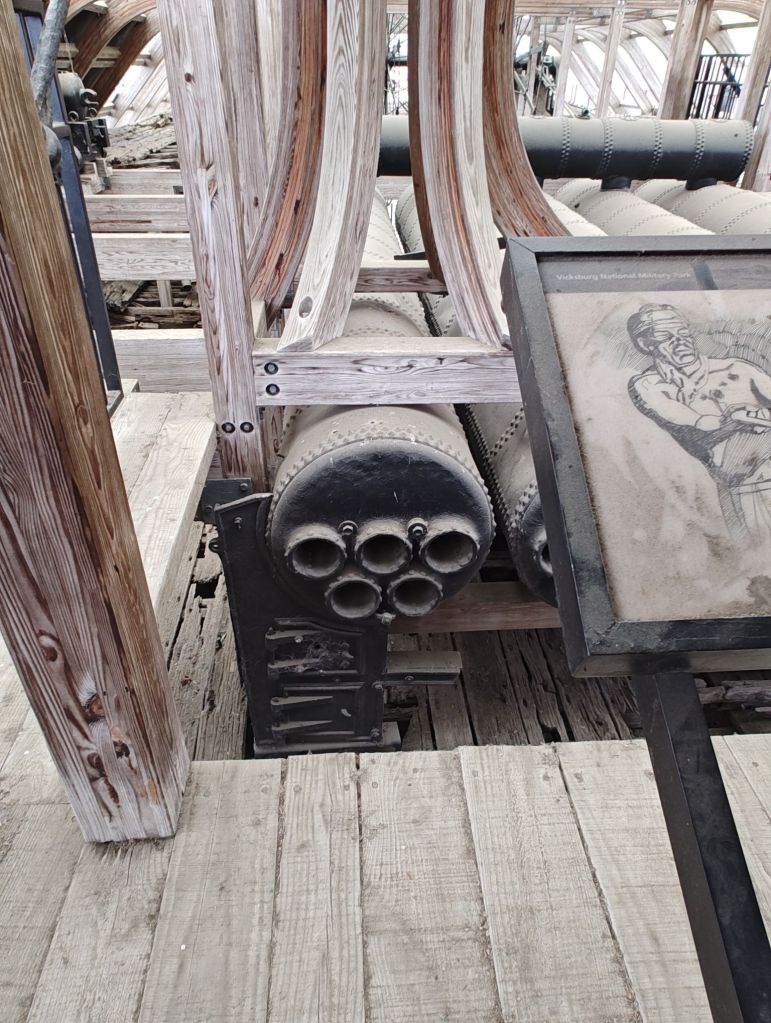
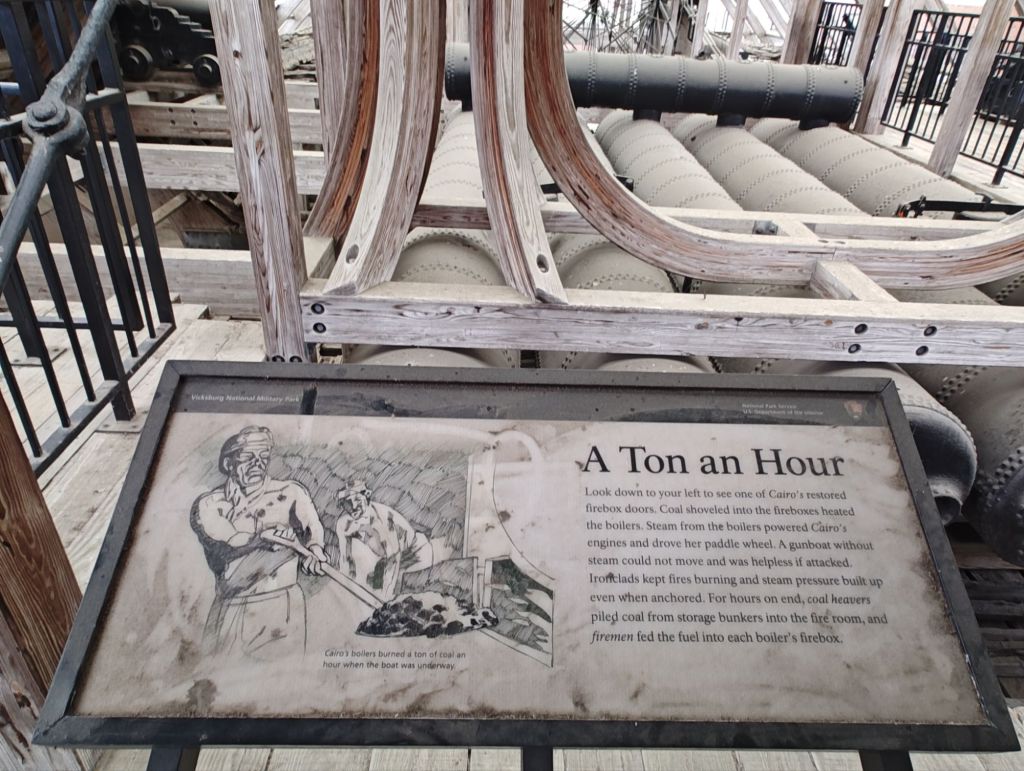
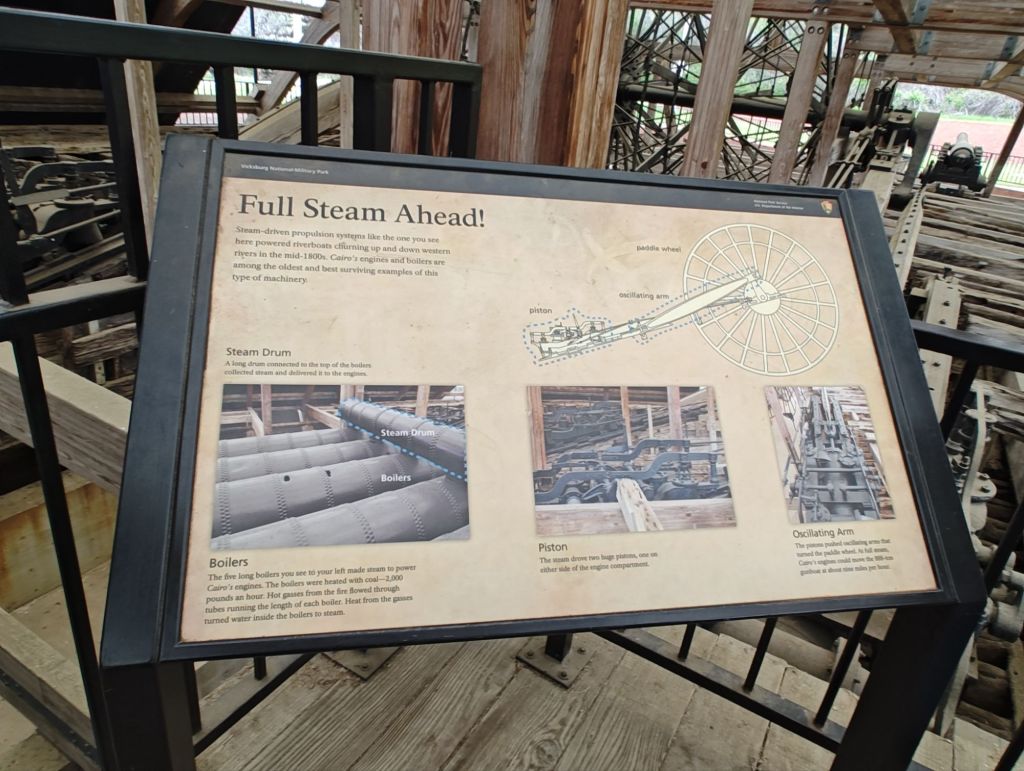
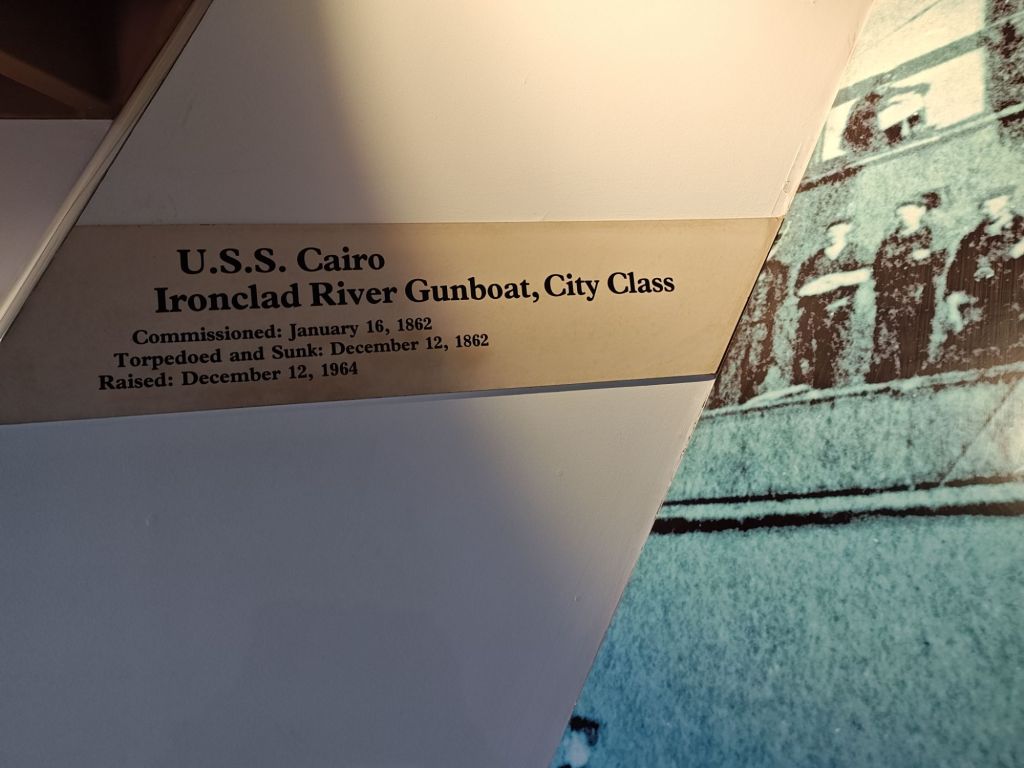
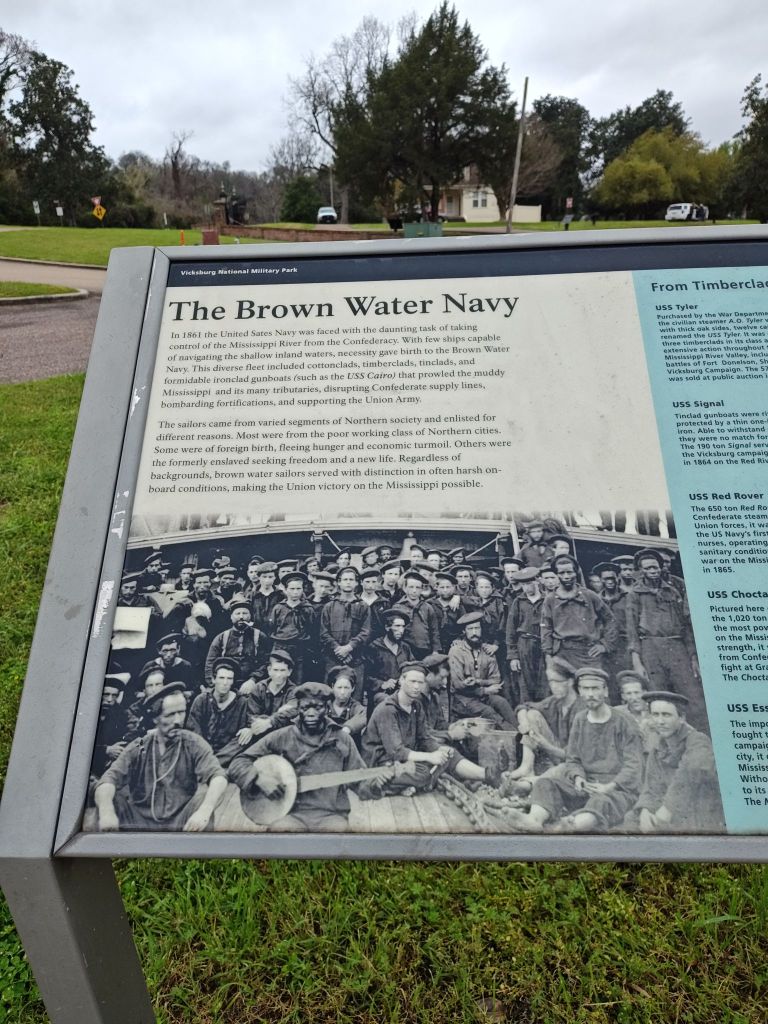
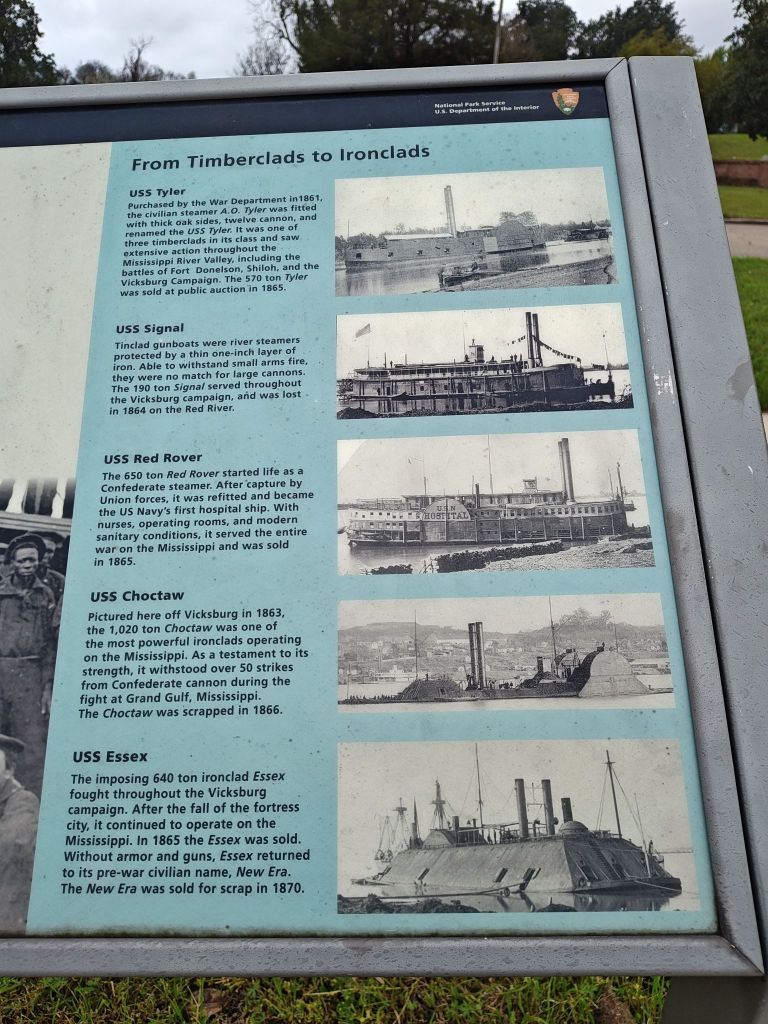
13 gun ironclad weight 888 tons crew of 175
Freeze the fish for 48 hours to kill any parasites. Cube the fish, be sure to use only the white flesh. Place in glass jars, with vinegar and salt, shake the jar every day and keep in jar 5 to 7 days.
At the end of 5 to 7 days, rinse the cubes of fish well.
Mix 1 Cup vinegar with 3/4 cup sugar and 1 ounce of pickling spice per 4 cups of vinegar. Place fish in glass jars in this vinegar mix. You may add diced onions, jalapenos etc as you wish. It will be ready to eat in 5 days.


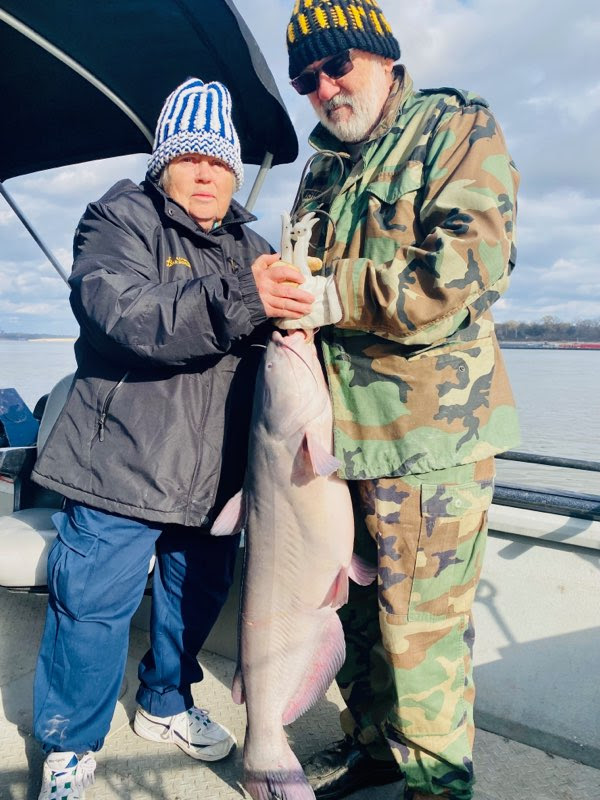
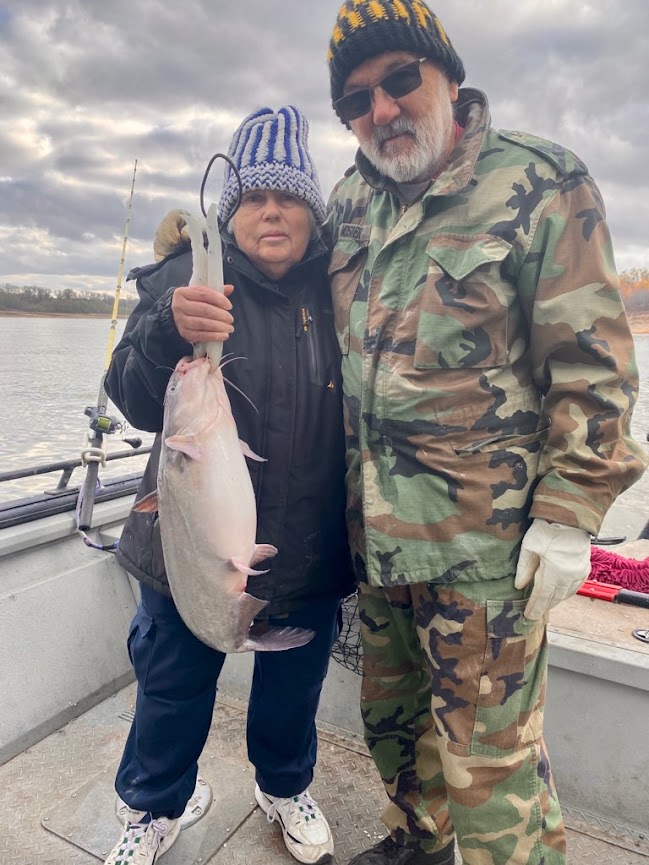
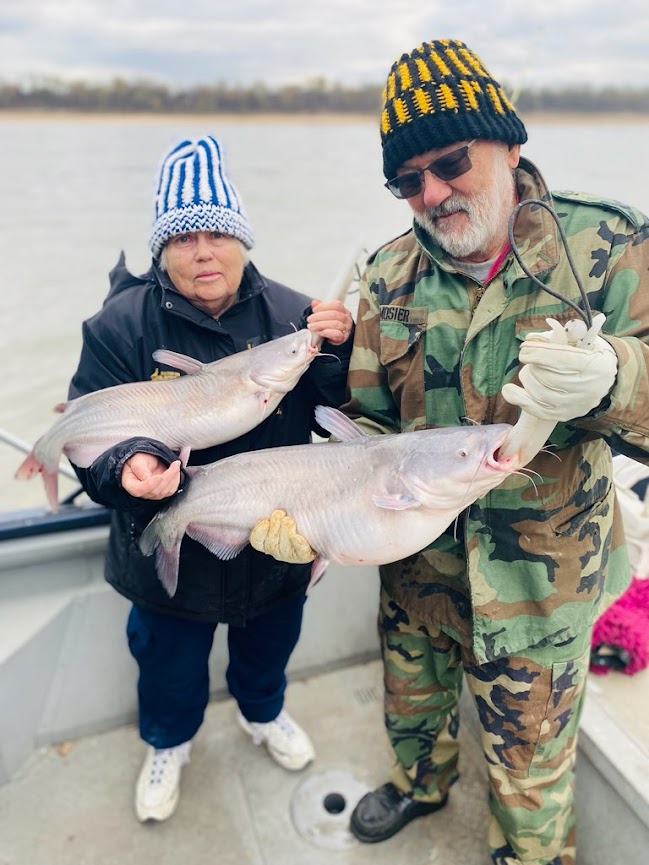
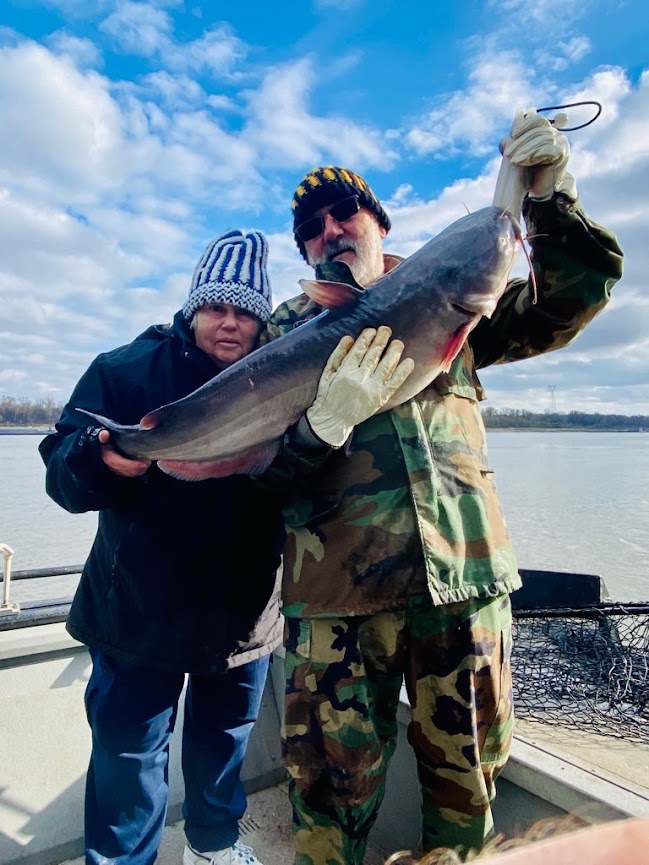
We caught a lot of catfish and had a lot of fun with Fish Memphis guide service! The largest catfish was 35 pounds! So much Fun!
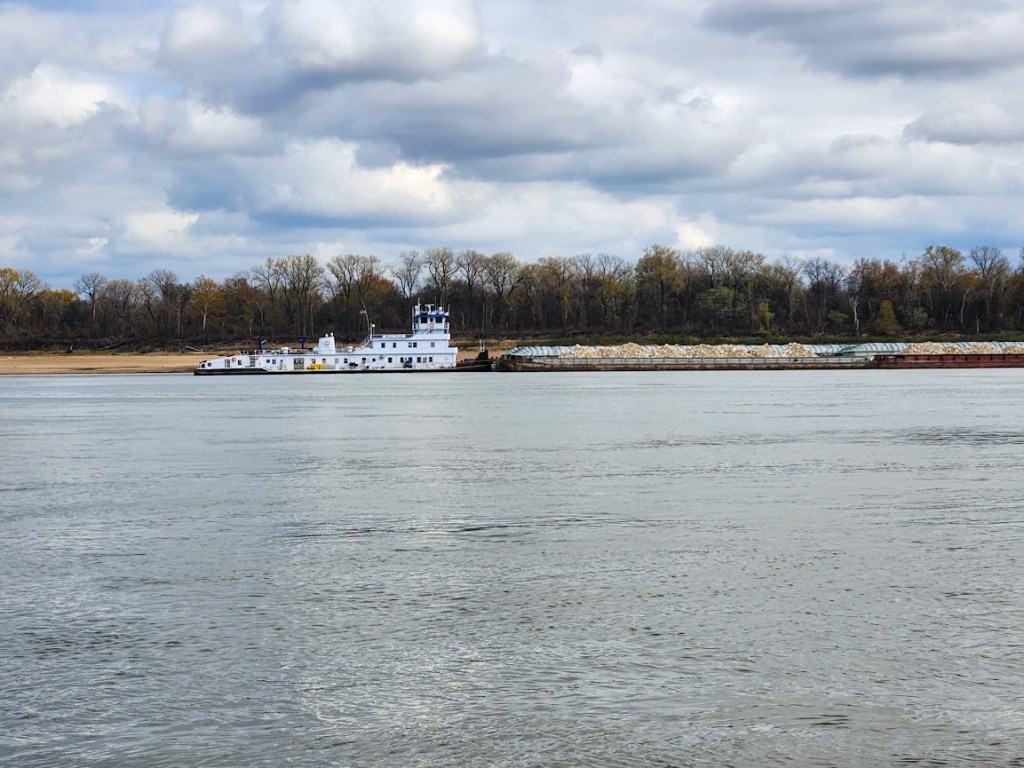
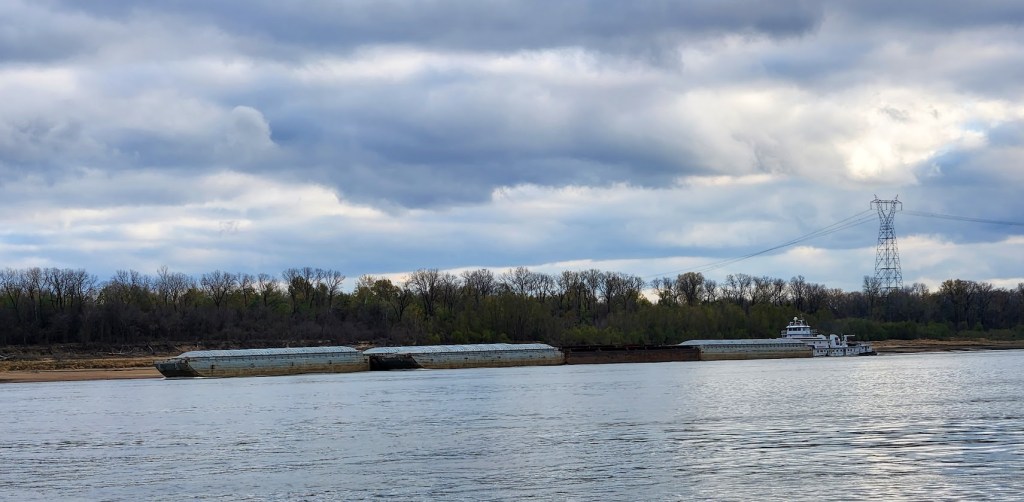
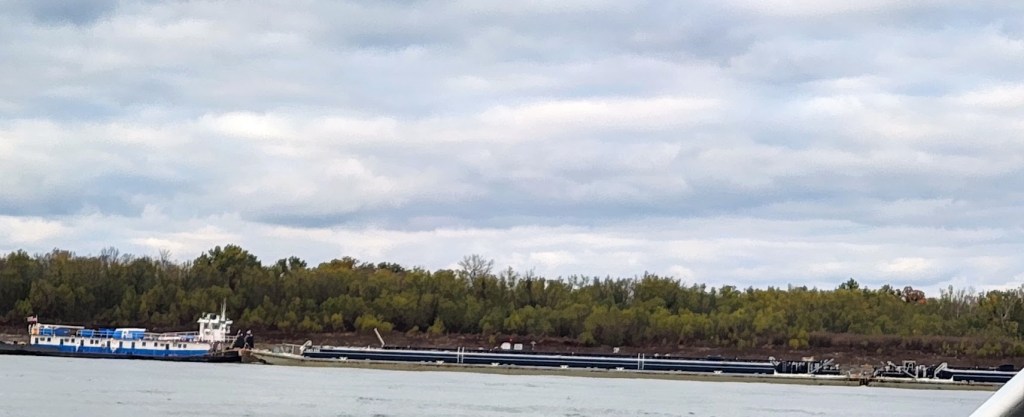
I enjoyed watching the barges on the Mississippi. The mighty river is low.
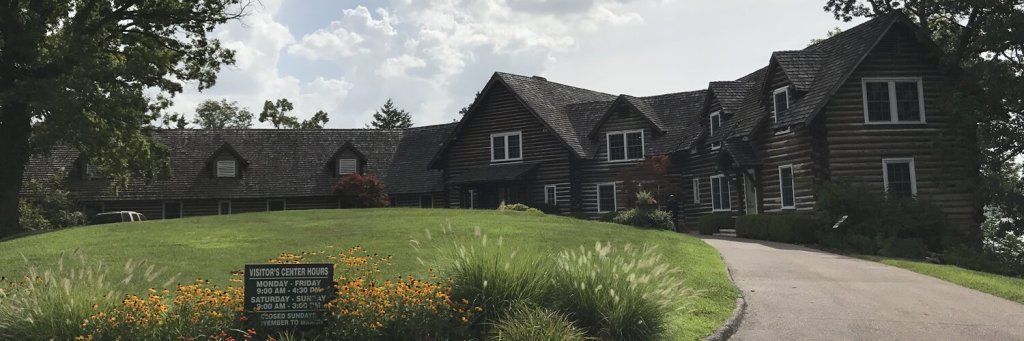
Willmore Lodge was built in 1930 by Union Electric and is listed on the National Register of Historic Places. It is now the home to the Lake of the Ozarks Visitor’s Center and the Bagnell Dam History Museum.
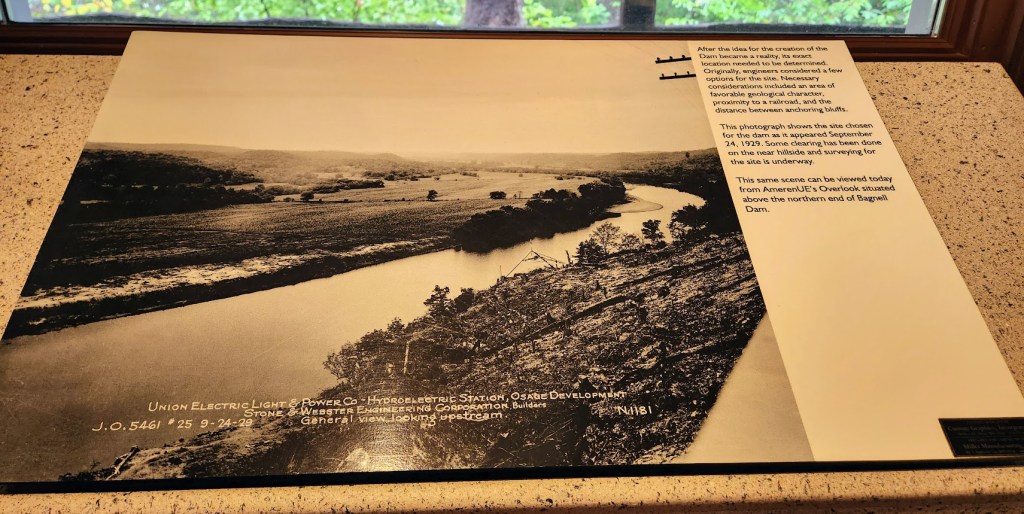
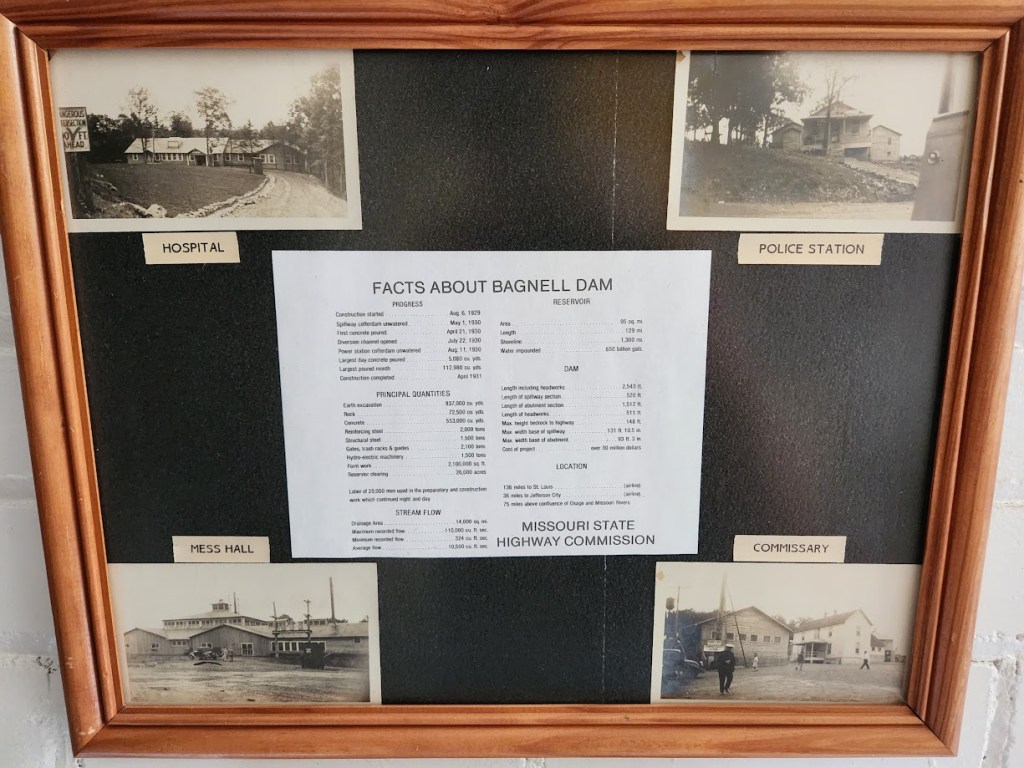
The Great Osage River Project site work began on August 6, 1929 by Union Electric Company of St. Louis. The final price tag would be $30 million private capital.
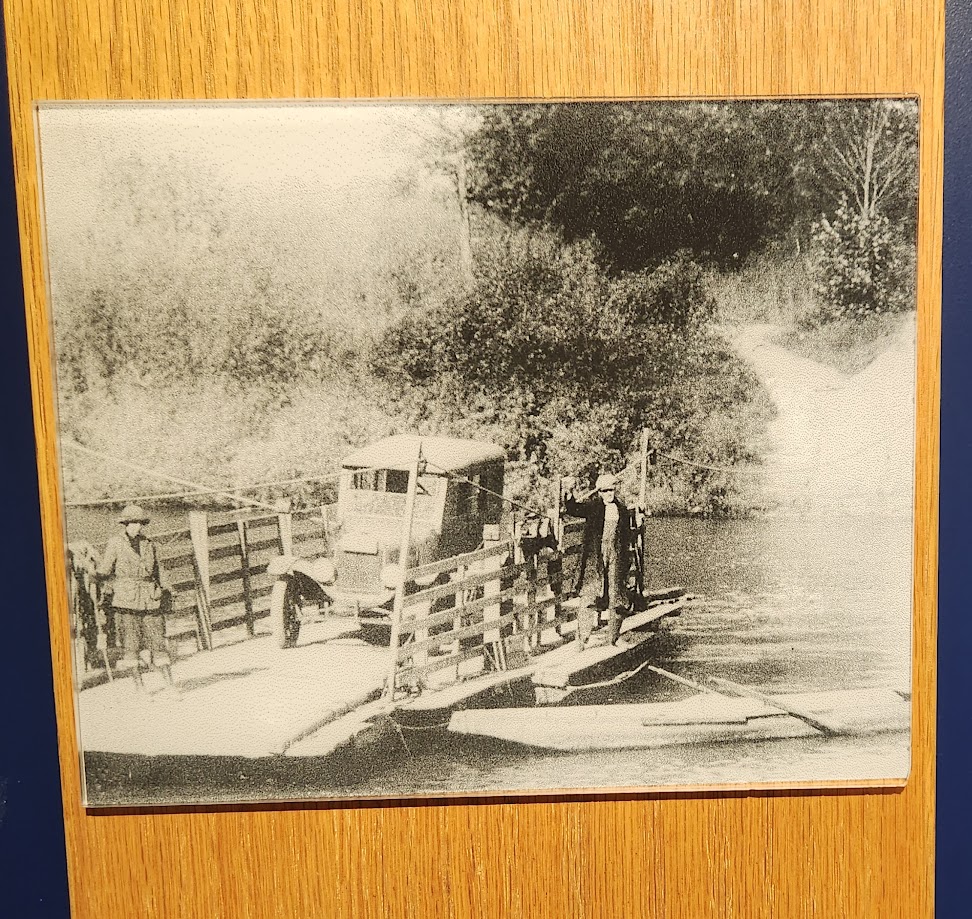
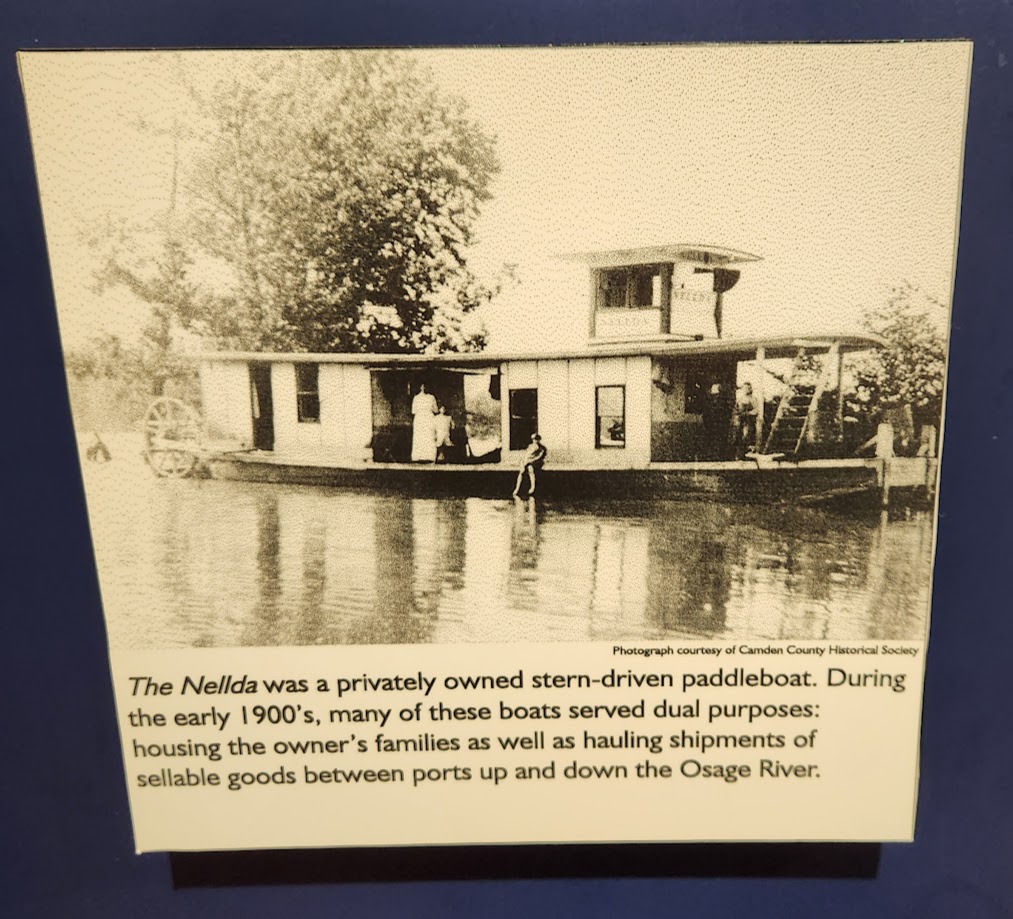
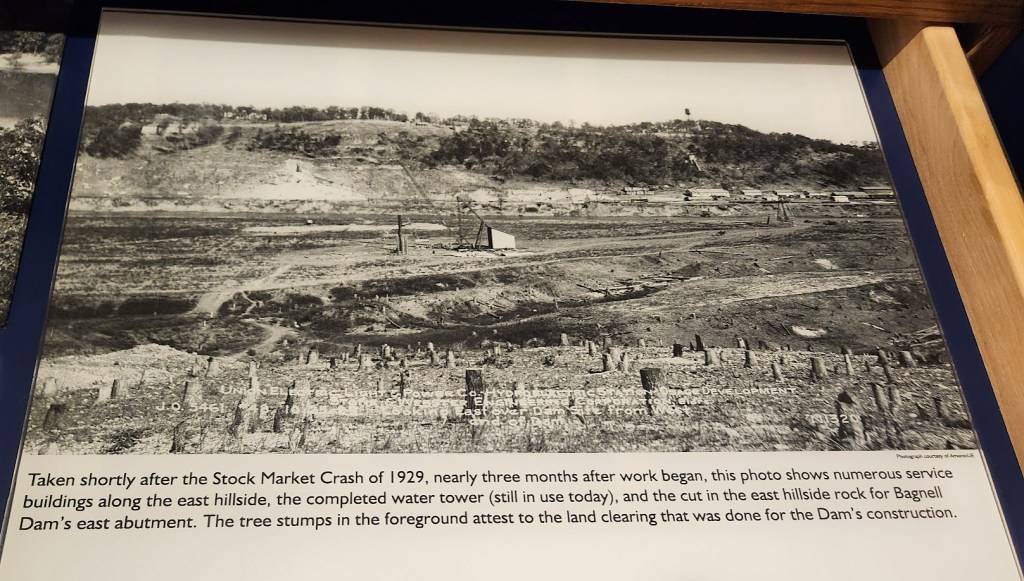
Four months after construction began, came the stock market crash followed by many years of the Great Depression. News spread quickly and prospective employees began pouring into the area. They came by foot, on horseback, floating down the river, piled high in trucks, and a few in automobiles. The area was so remote that roads were dirt and the nearest railway stopped 15 miles away in Eldon. During the worst depression that the United States had ever seen, Union Electric created nearly 10,000 new jobs. There were some 4,600 craftsmen and laborers working at one point in time, twenty-four hours per day and seven days per week.
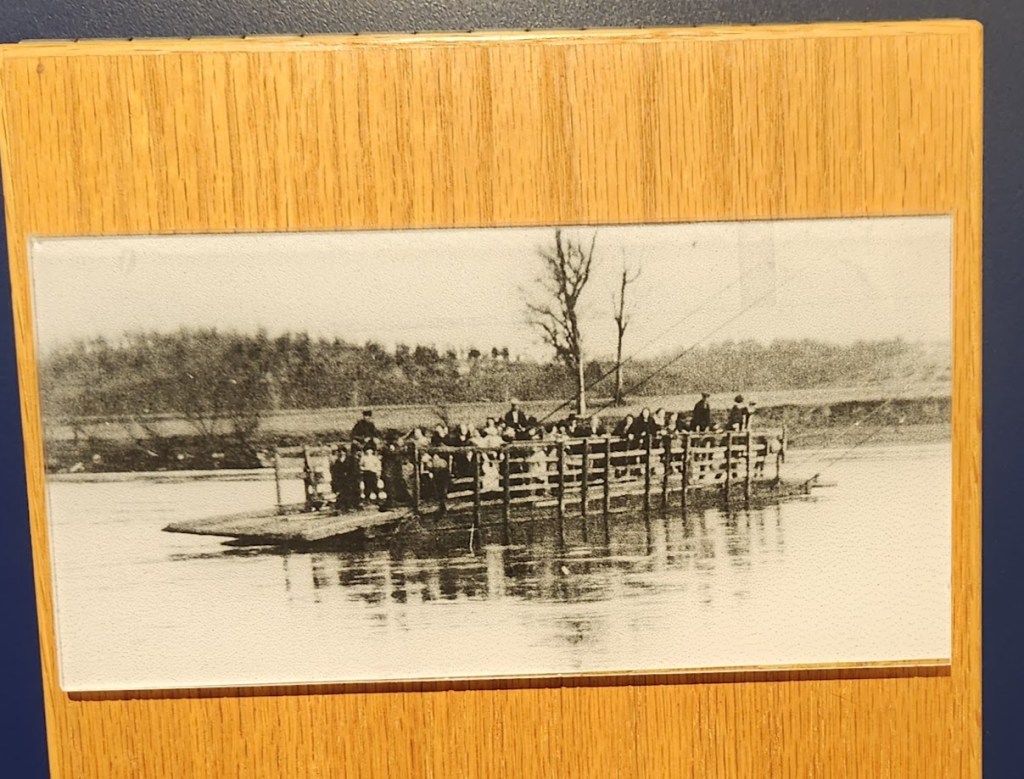
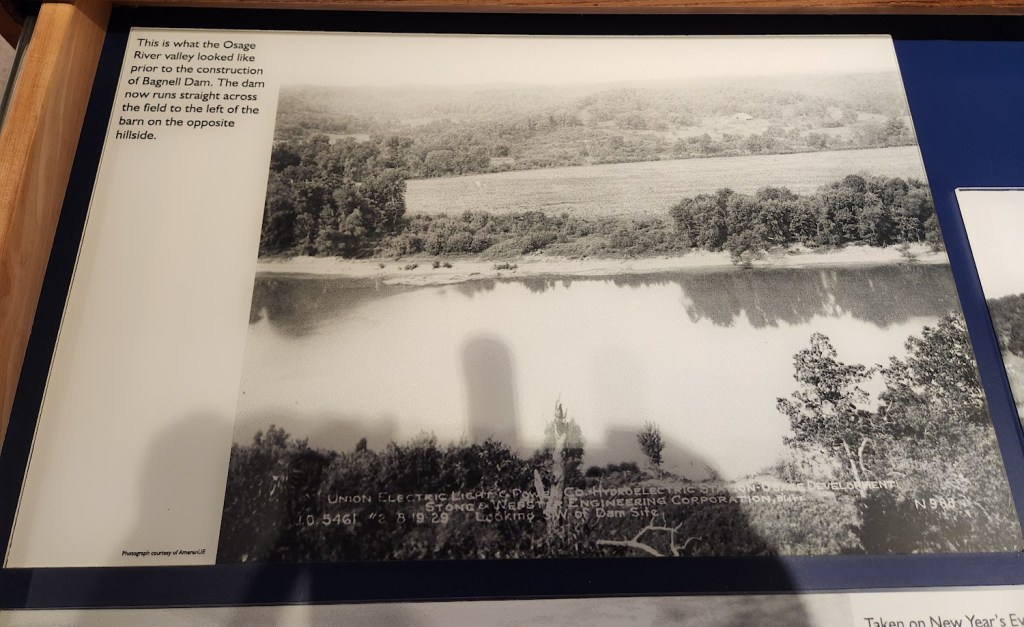
Until the Great Osage River Project was started, this land was sparcely populated. Most of the residents were settlers who came because of the 1864 Homestead Act. That Act would allow 160 acre tracts of land to be deeded, at $1.25 per acre, if the person lived on the land for five years.
Union Electric created its own city. Dormitories and mess halls were the first built, followed by a commissary, hospital, a concrete plant, miles of roads, and even a jail.
Using equipment that seems pretty crude now, the total construction was completed in just two and a half years. Crews worked daylight to dark, and even 24 hours per day when it came to pouring concrete for the dam.
The project was divided into three major areas.
One part was the dam and power house. This also included all of the camps, constructing and maintaining roads, designing and building railways, and erecting a river bridge for rail, car, and wagons. Dozens of permanent and temporary structures were designed and fabricated.
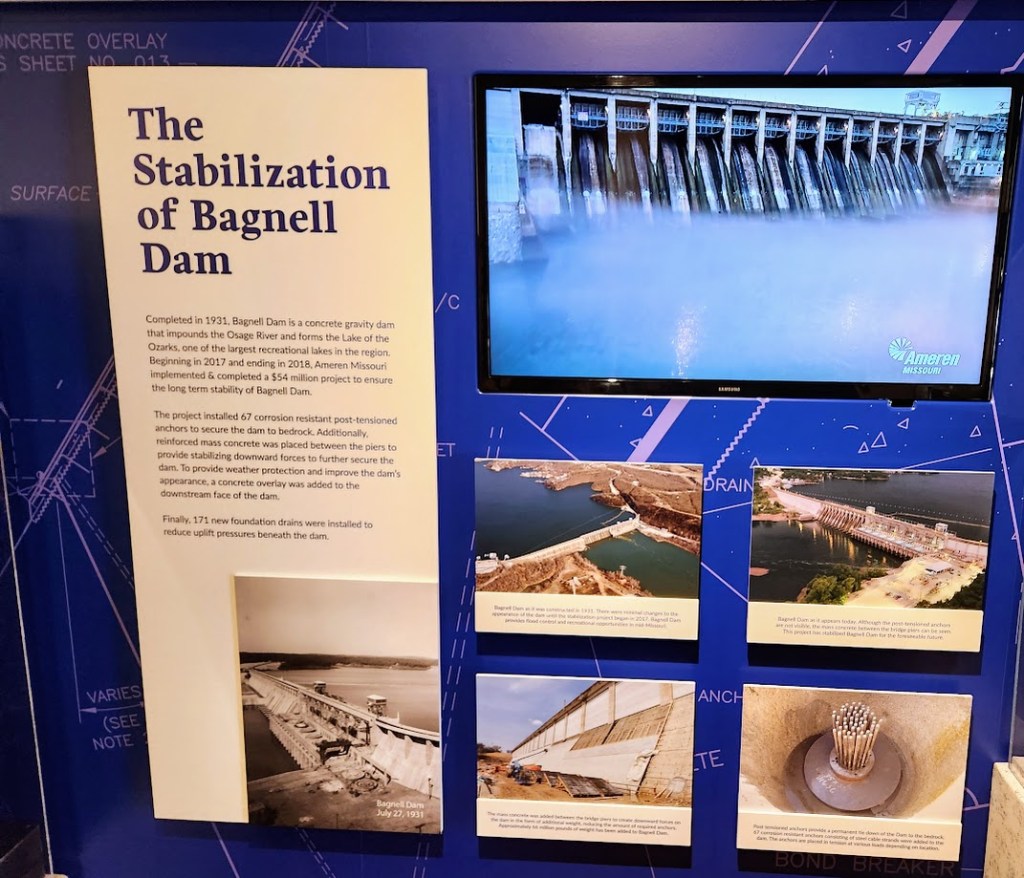
During low river water levels, wooden piers from the old bridge can still be seen. Steel pilings, girders, and cable are low river water hazards for boats and fishing lines. The dam is of concrete gravity type, 2543 feet long supporting a 20 foot wide roadway and three foot wide sidewalk. The power station is 511 feet long and the flood control spillway section is 520 feet long. The power plant produces 215,000 kilowatts mainly to the eastern part of Missouri and St. Louis.
A second portion of the undertaking, was the electrical transmission lines to carry the generated power to the consumer.
The third area of work, was the water reservoir. This included surveying nearly 100 square miles, clearing thousands of trees that covered 30,000 acres, mapping the whole 100 square miles, and outlining the shoreline. The reservoir covers 57,000 acres or 92 square miles and impounds 617 billion gallons of water. The dam was completed and the Lake, as of then, unnamed began to fill on February 2, 1931. The Lake was opened to use May of 1931.
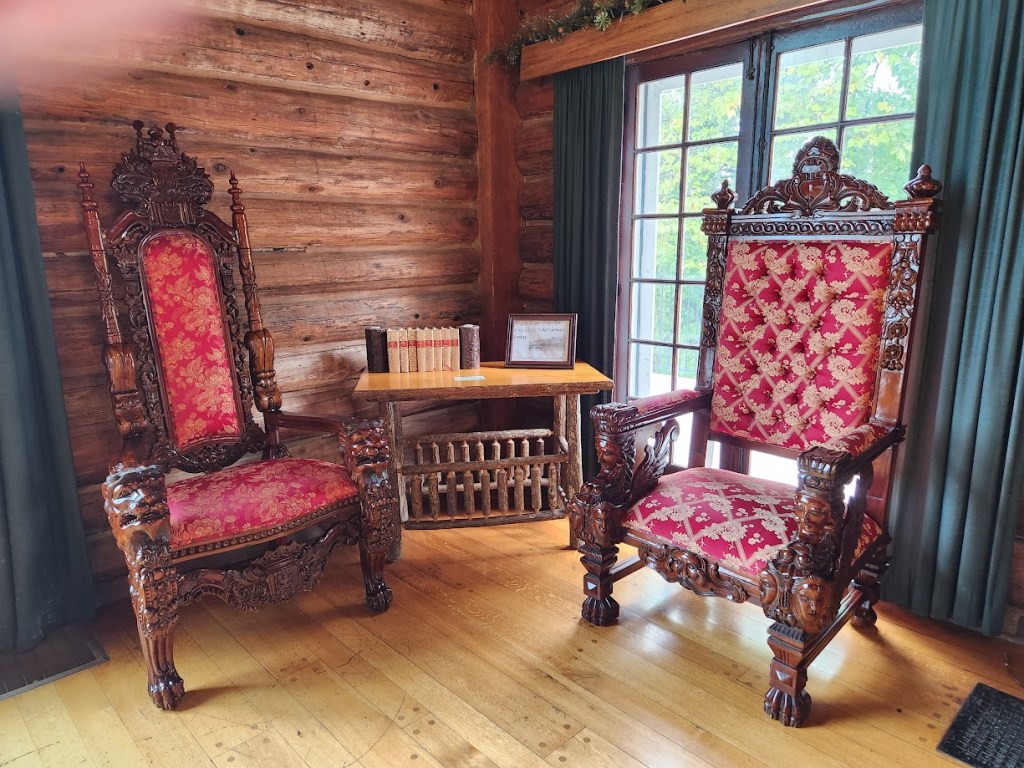
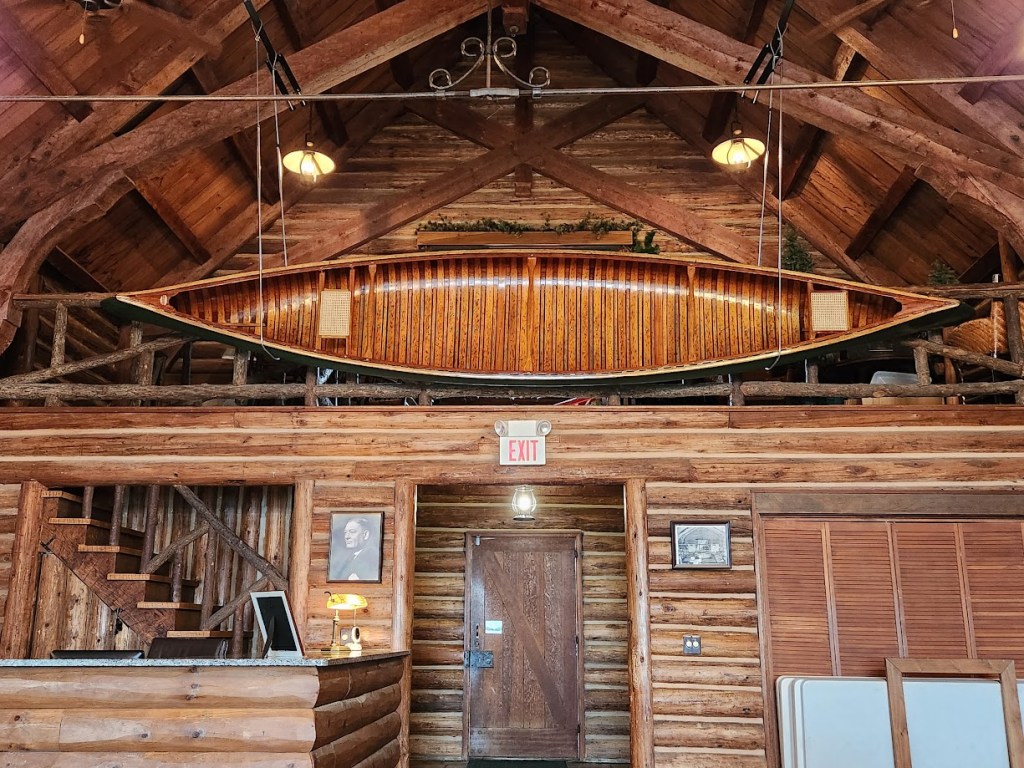
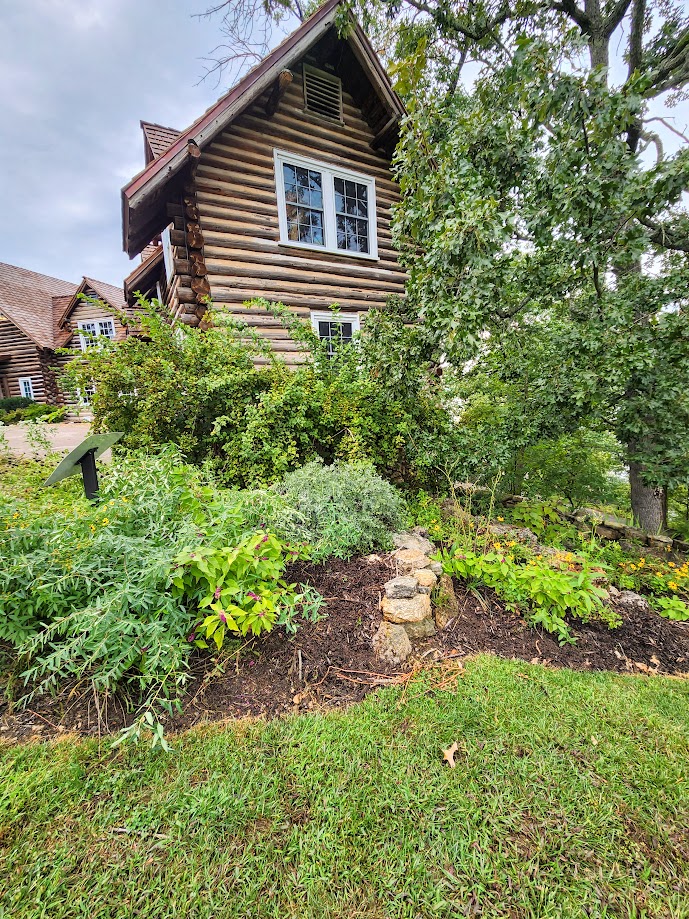
The lodge was built in 1930 of native Oak. It was used by Union Electric as an administrative and entertainment center during the building of Bagnell Dam. In 1945 Cyrus Willmore purchased the ledge from Union Electric for his private residence. The lodge is held together by wooden pegs, the Peg and Mortar style. The floors are chestnut. The floors are irreplaceable. It is said there are not enough chestnut trees to replace the floors.
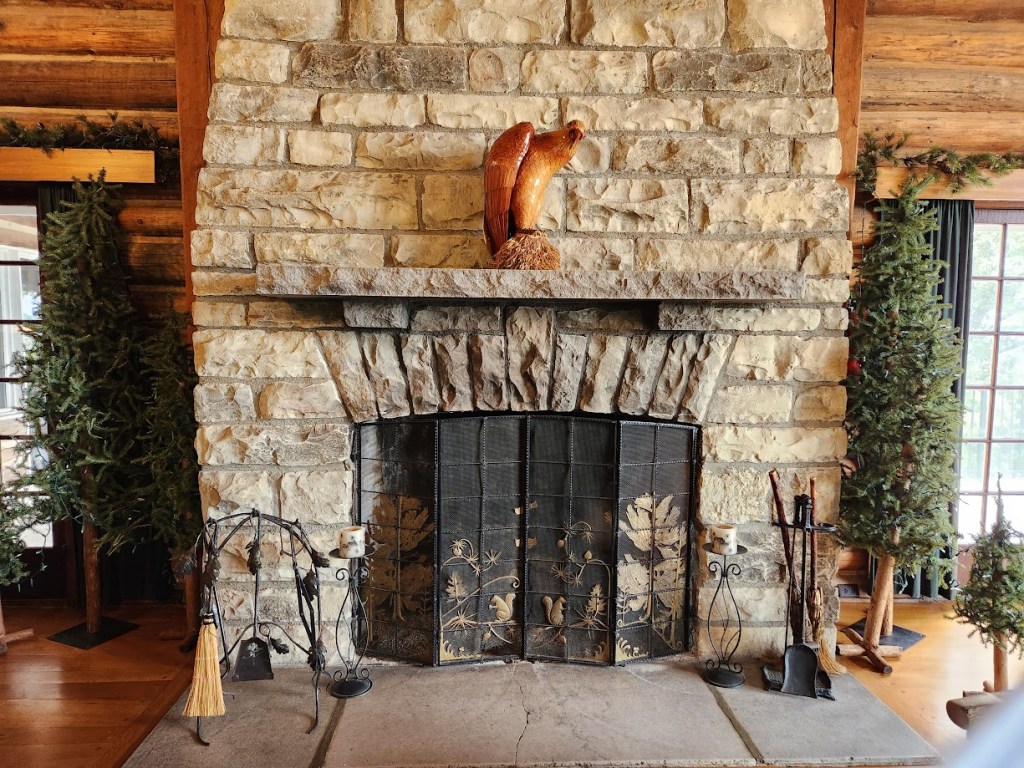
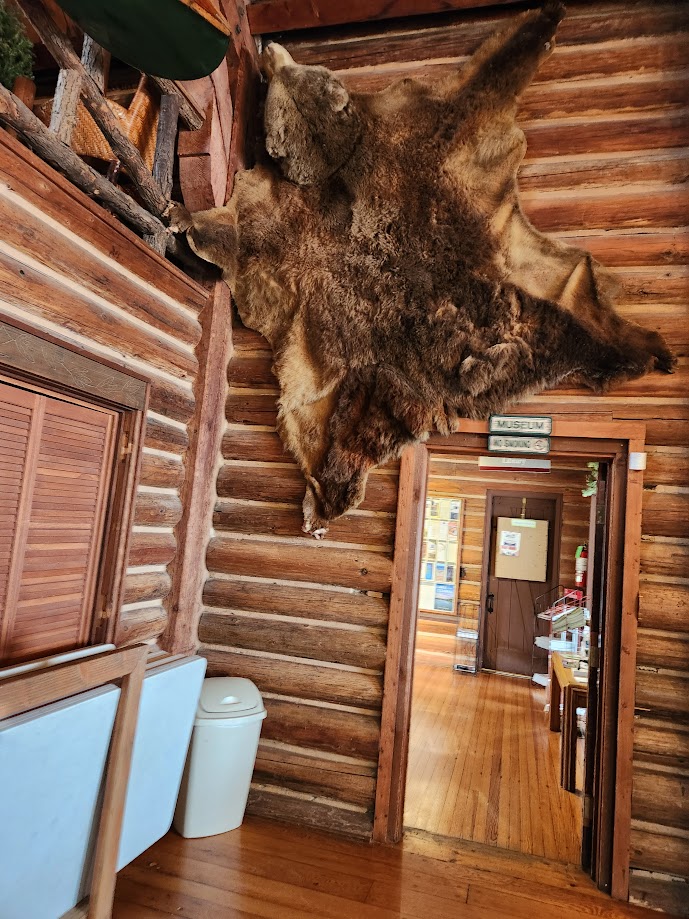
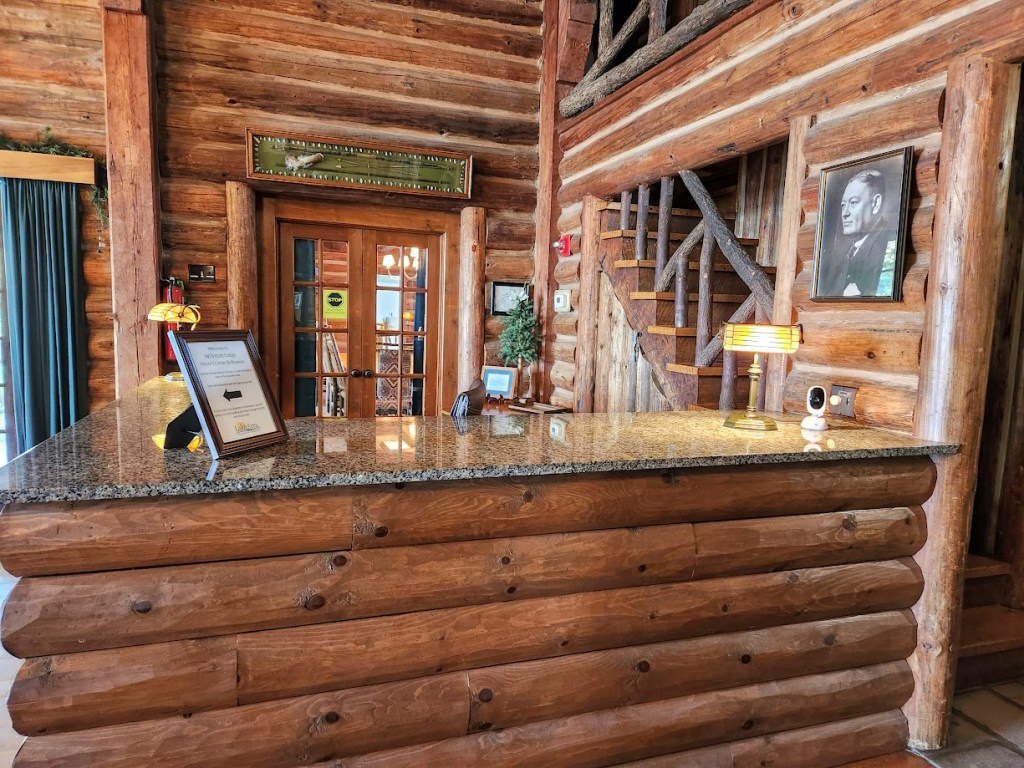
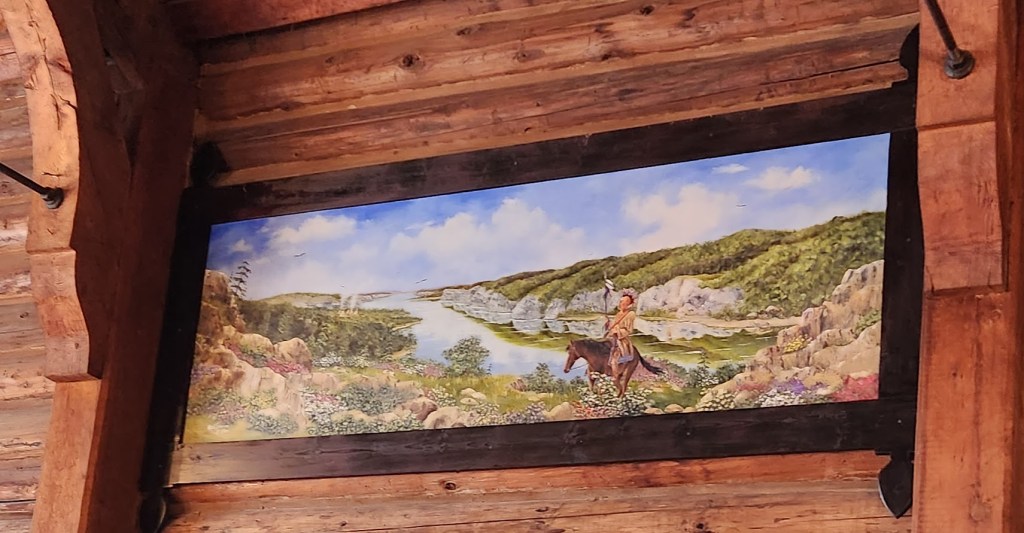


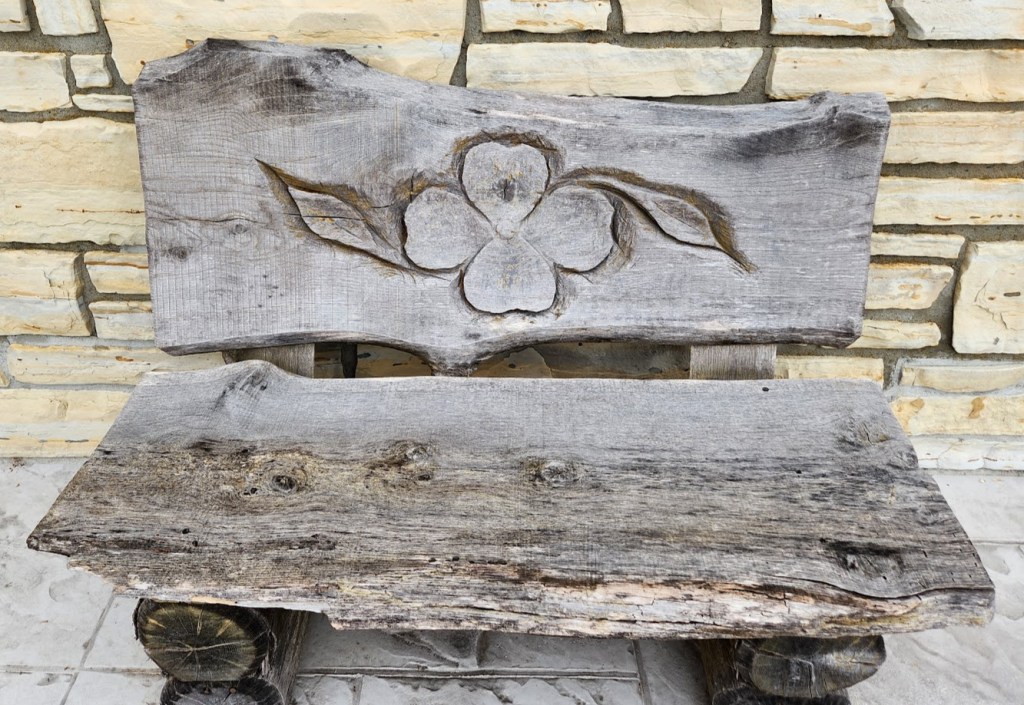
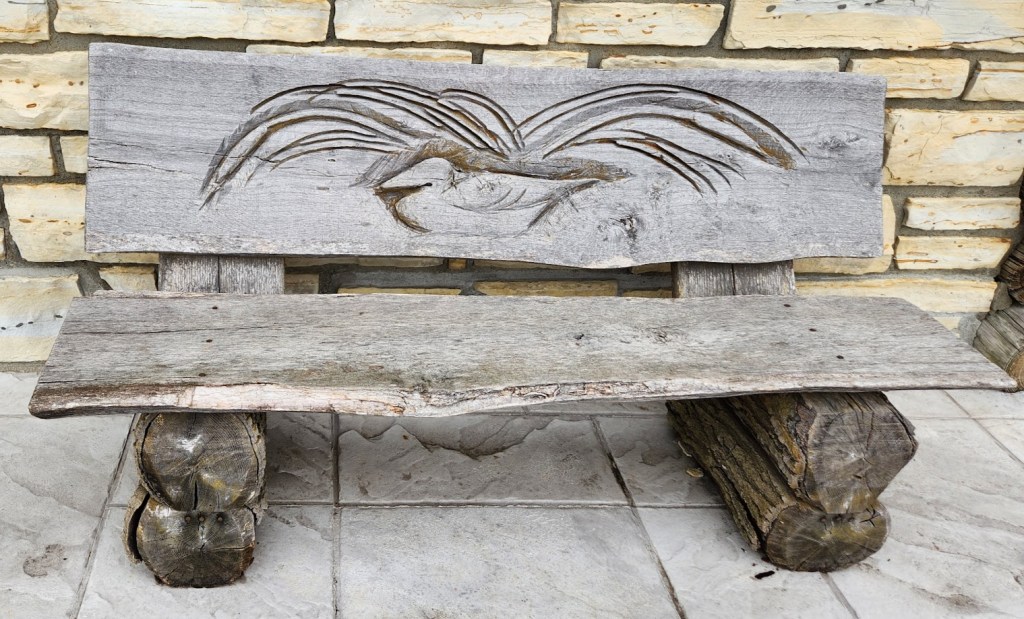
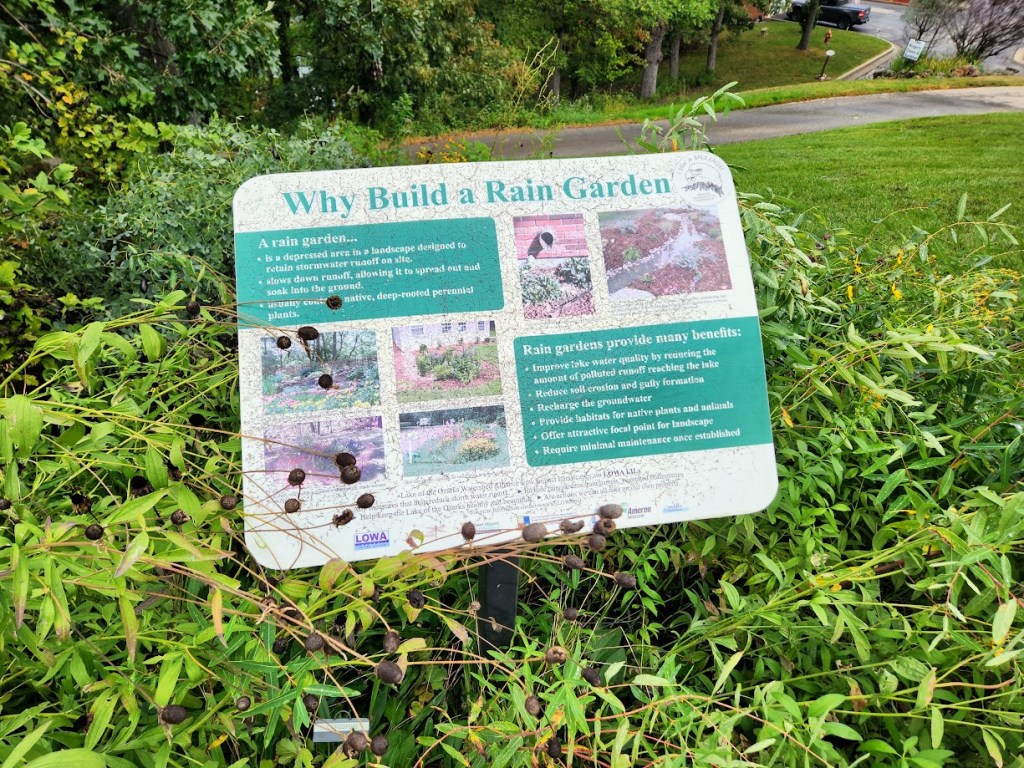
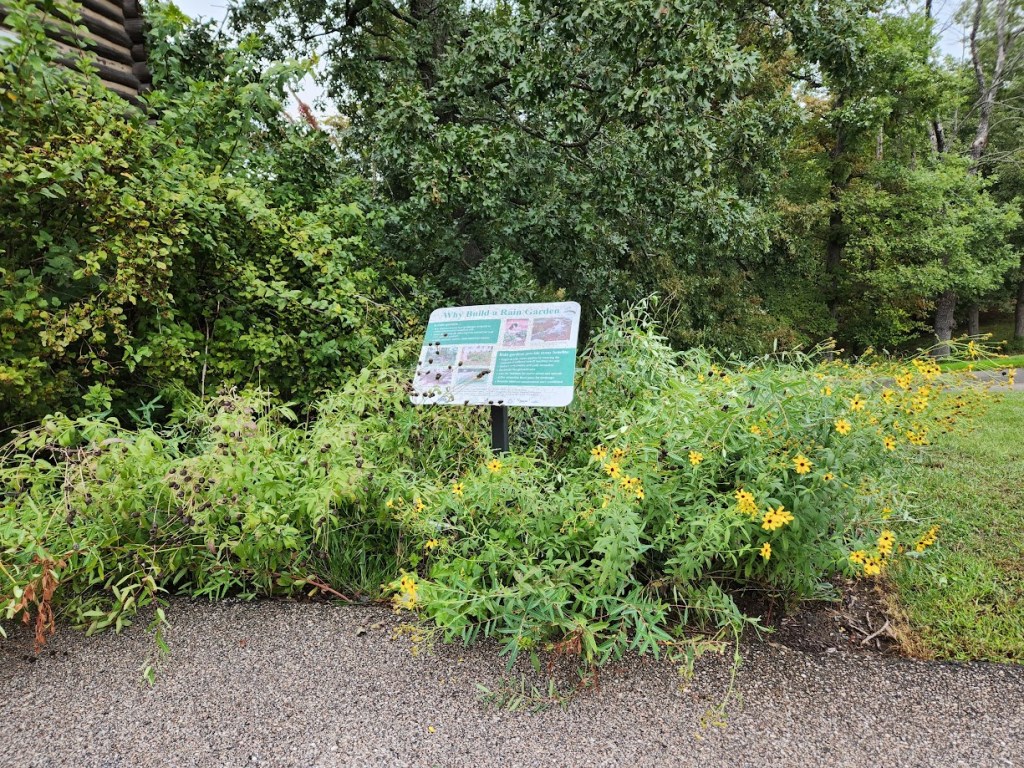
The lodge also has a rain garden. This is a depressed area in the landscape that collects rain water from a roof. Planted with grasses and flowering perennials, rain gardens can provide food and shelter for butterflies, song birds and other wildlife.
Bagnell Dam
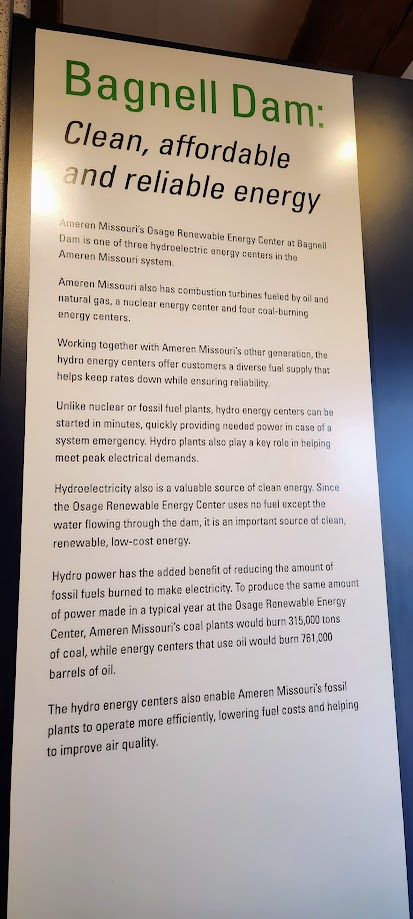
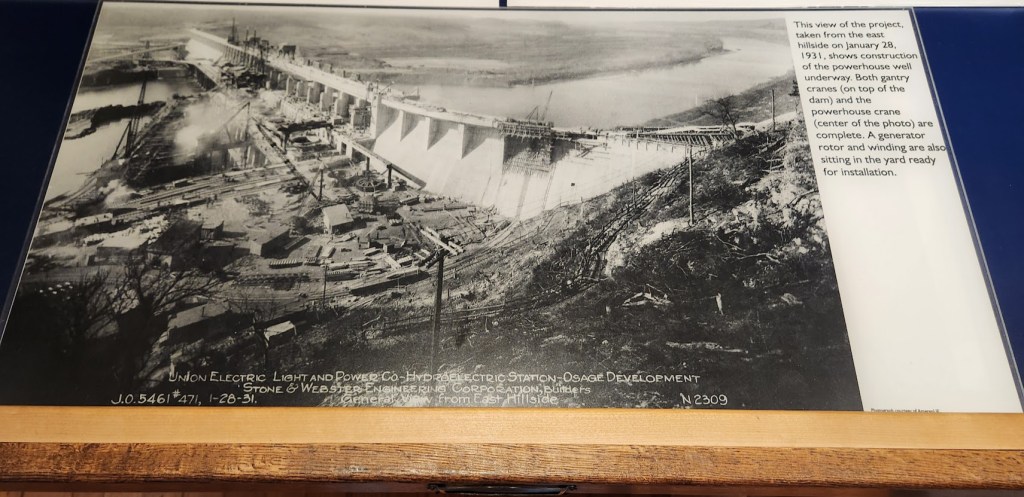
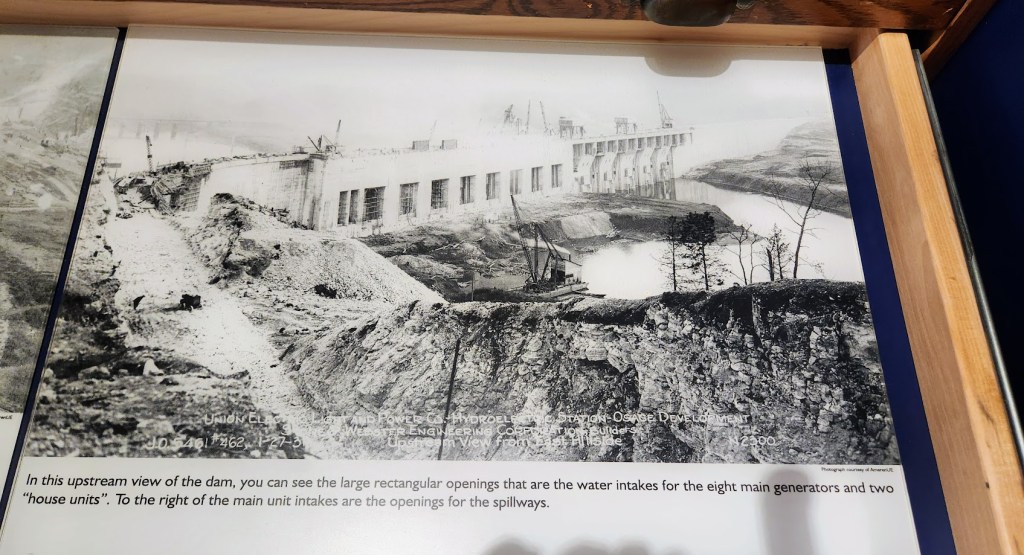
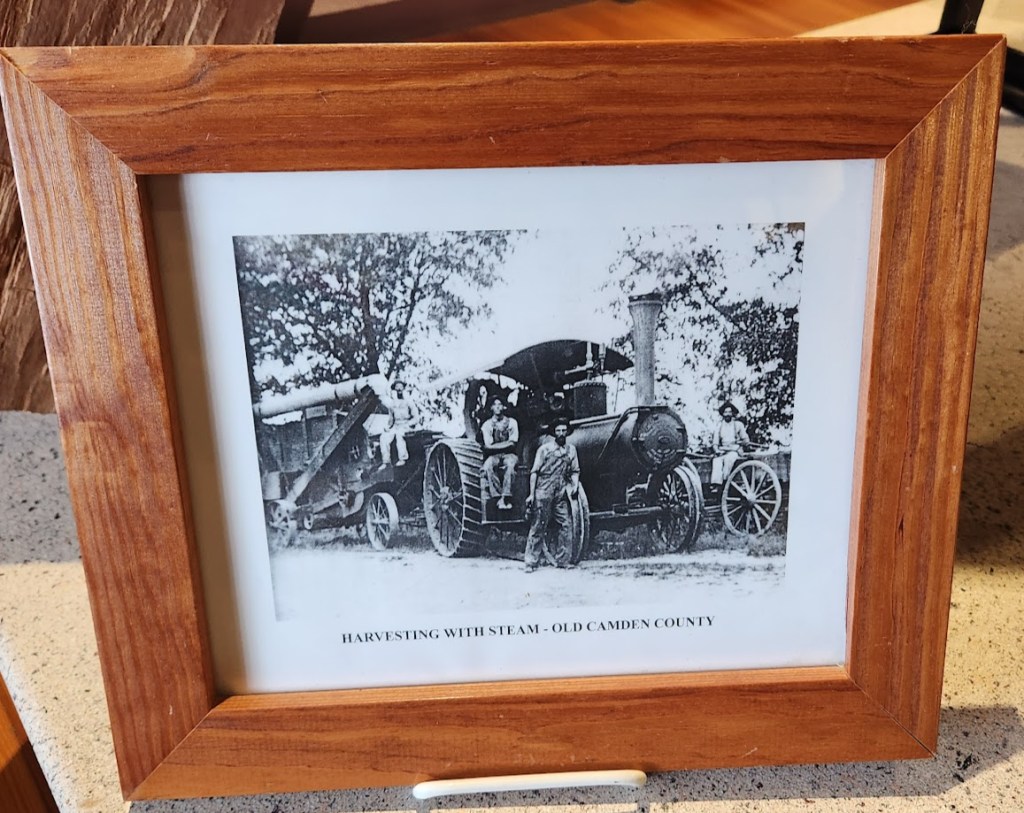
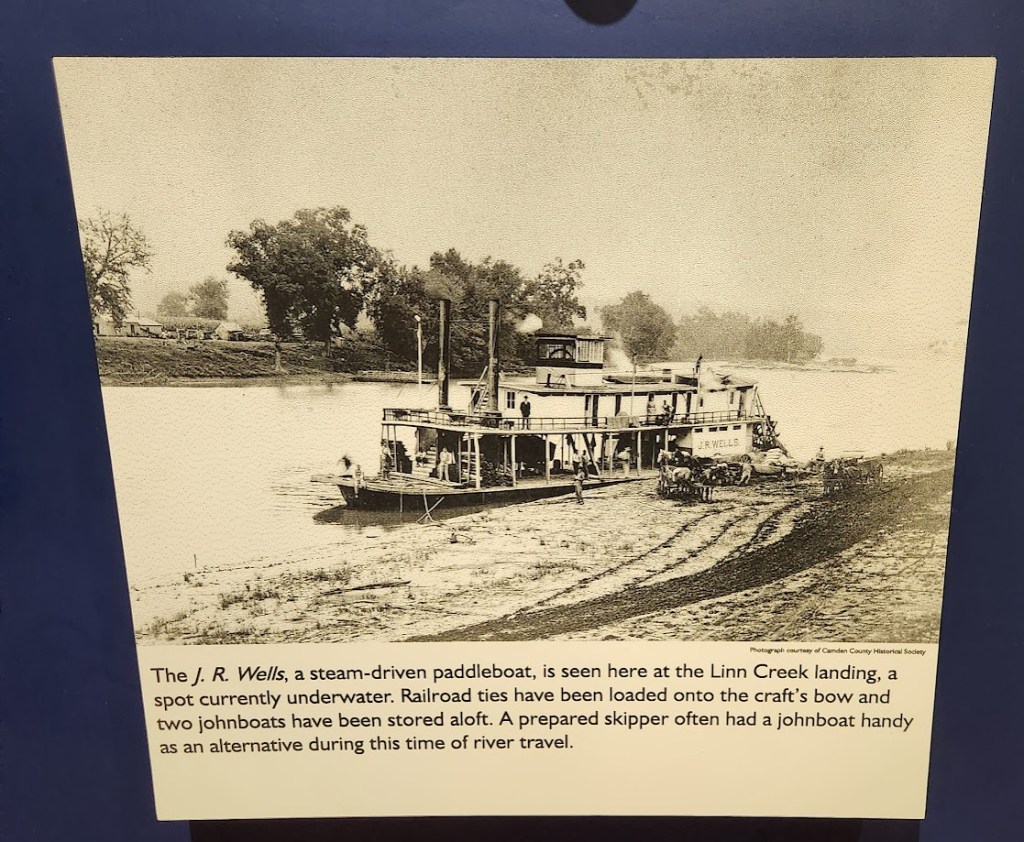
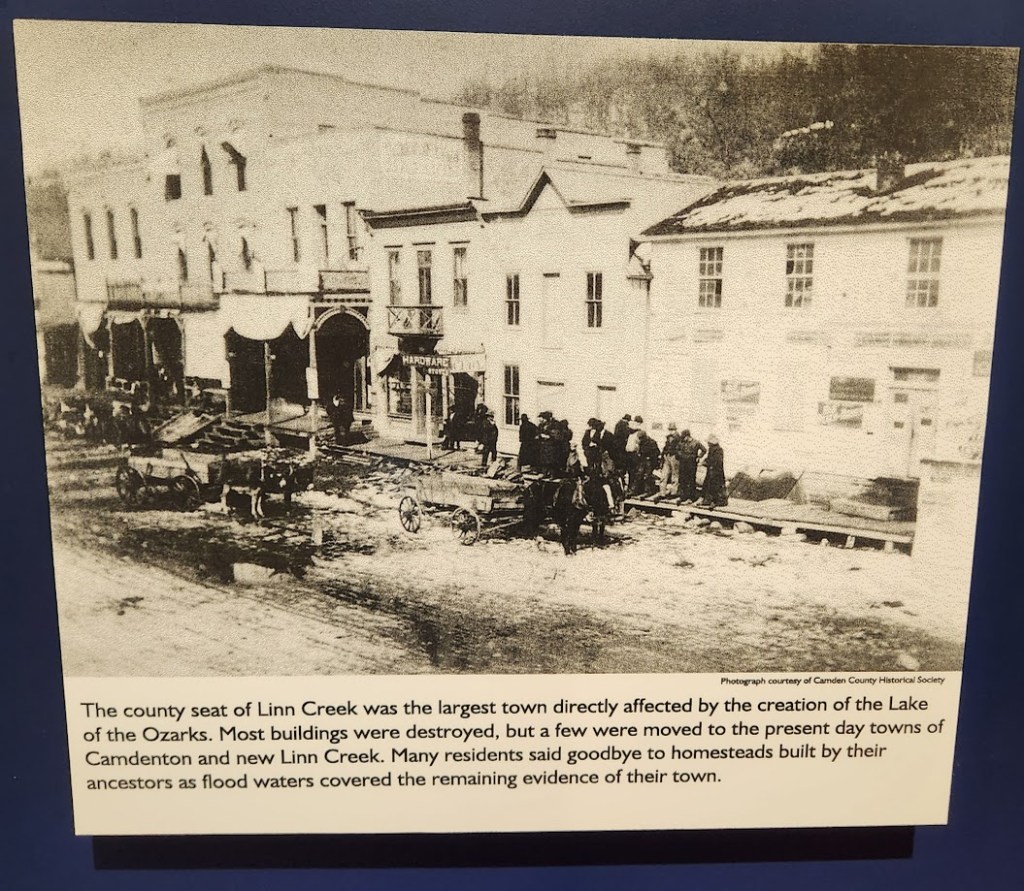
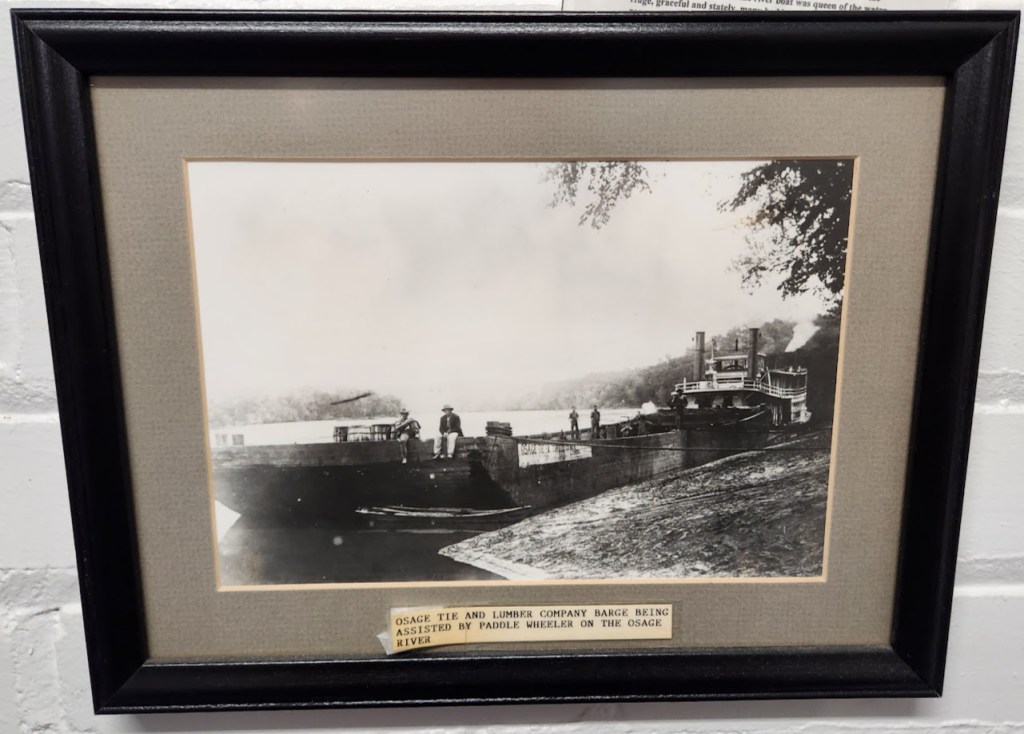
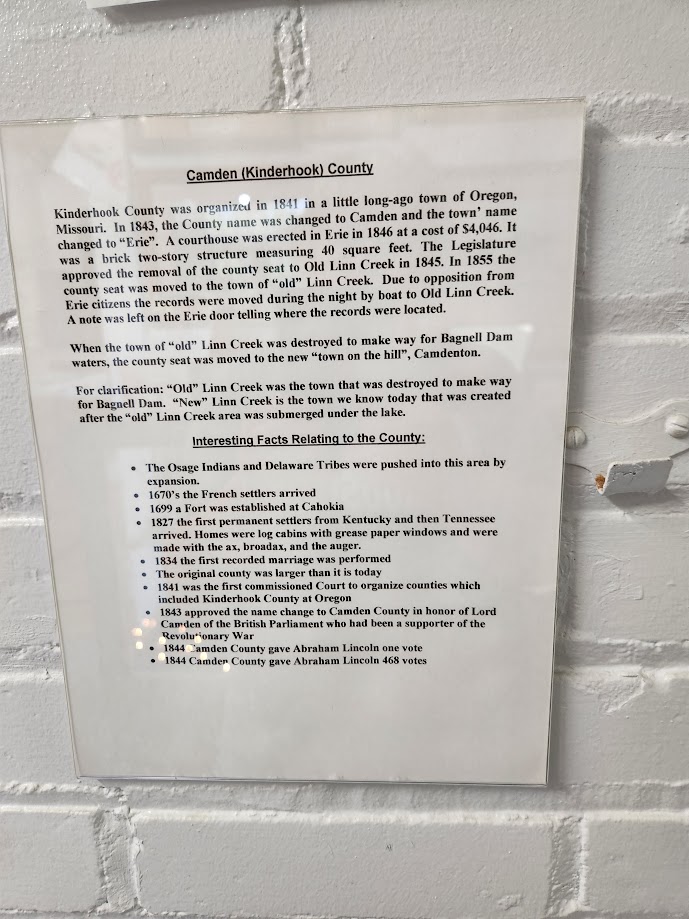
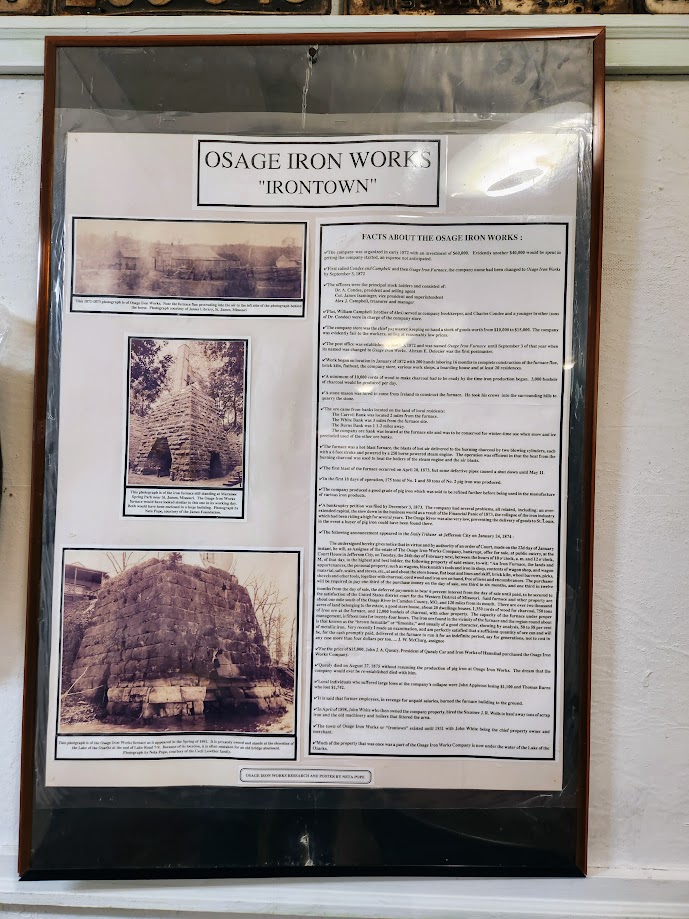
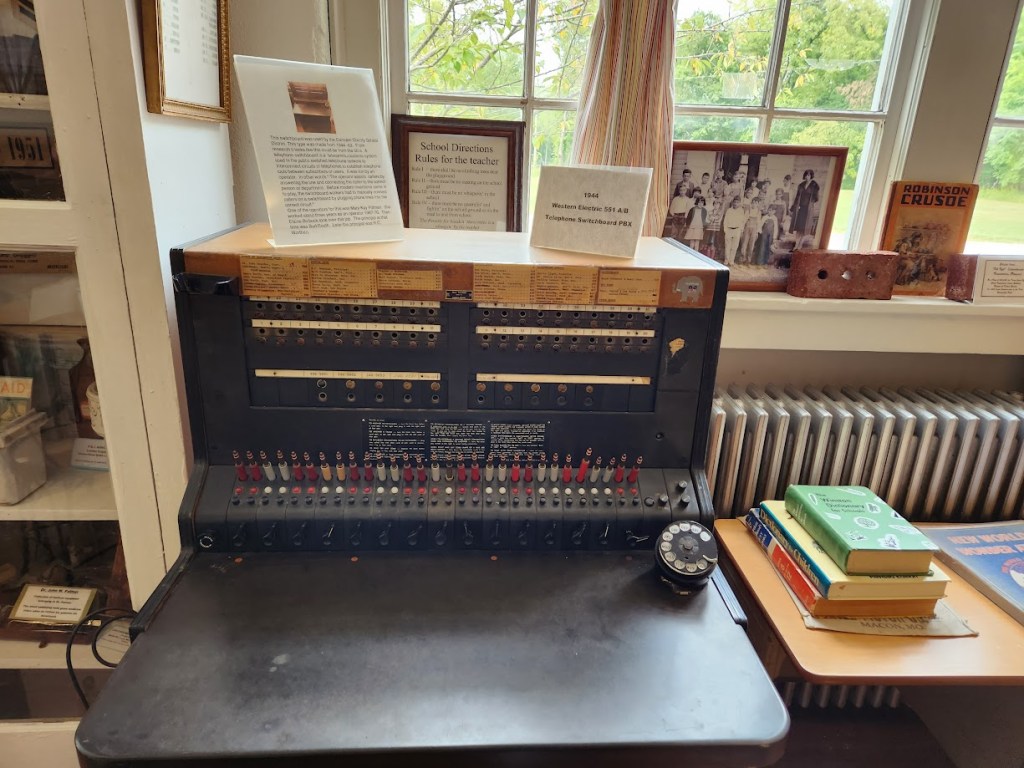
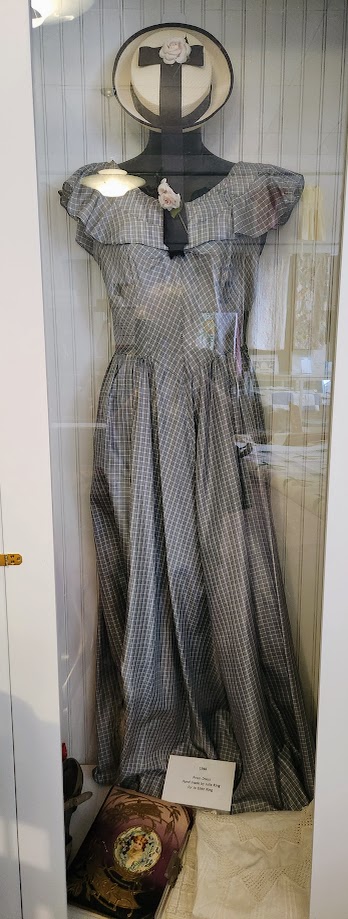
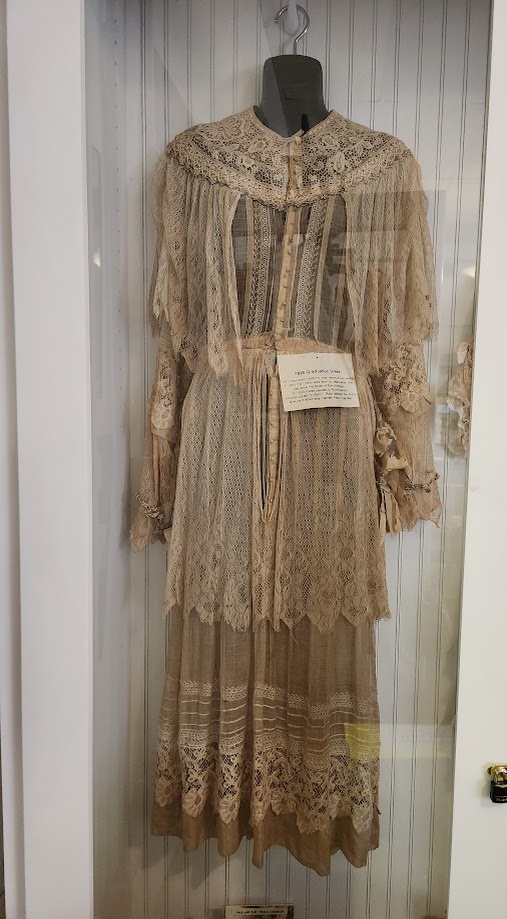
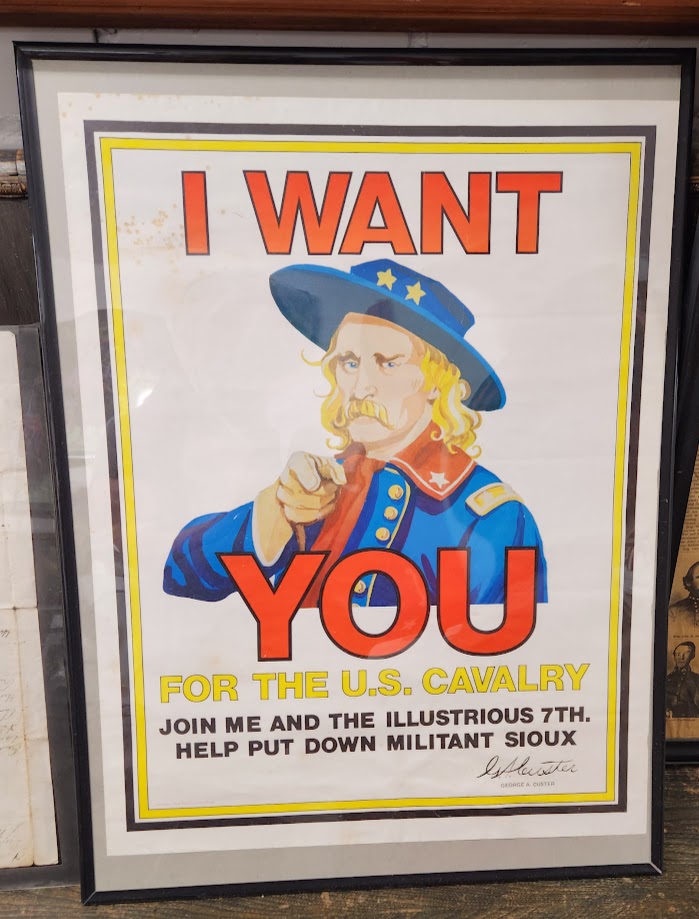
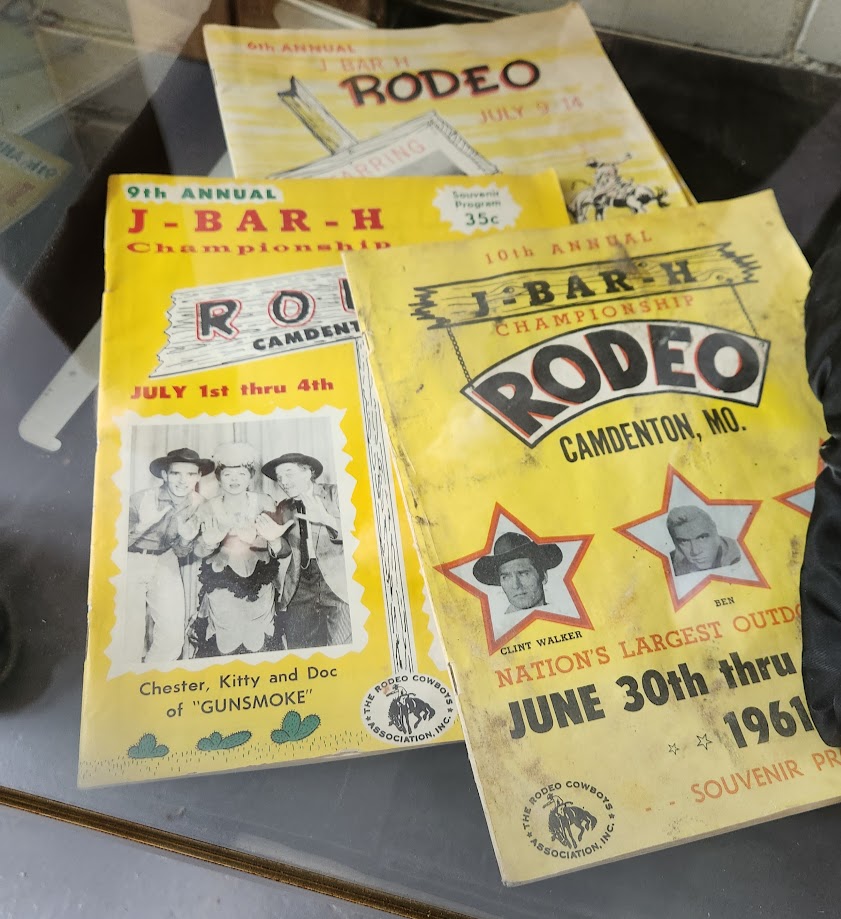
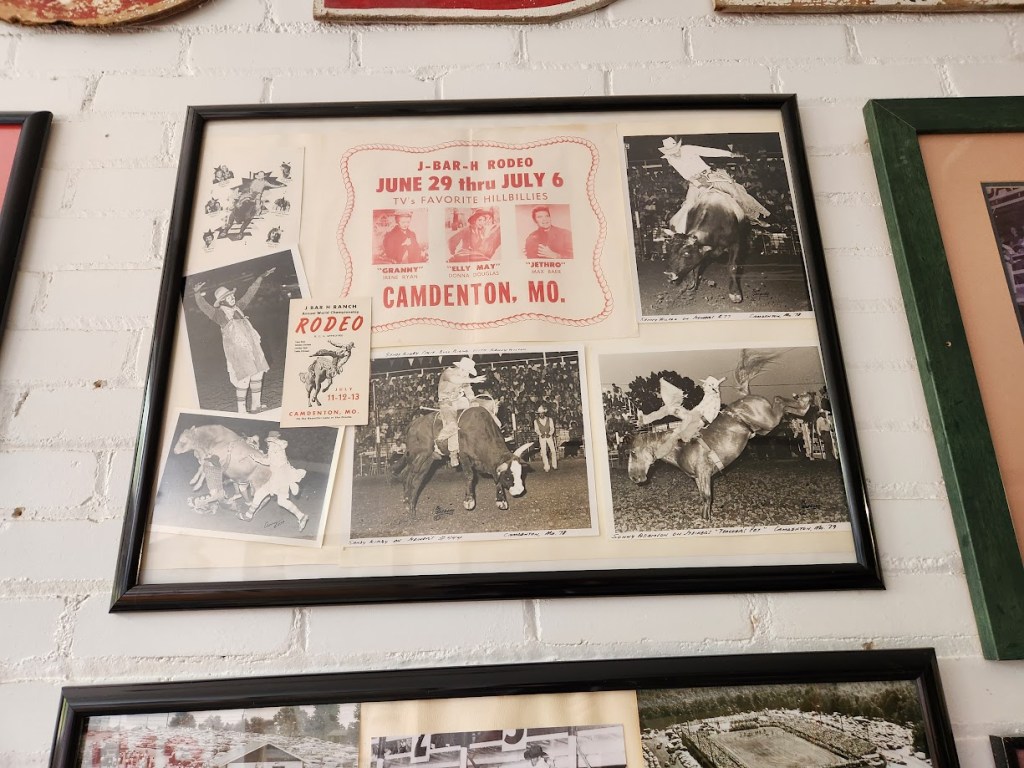
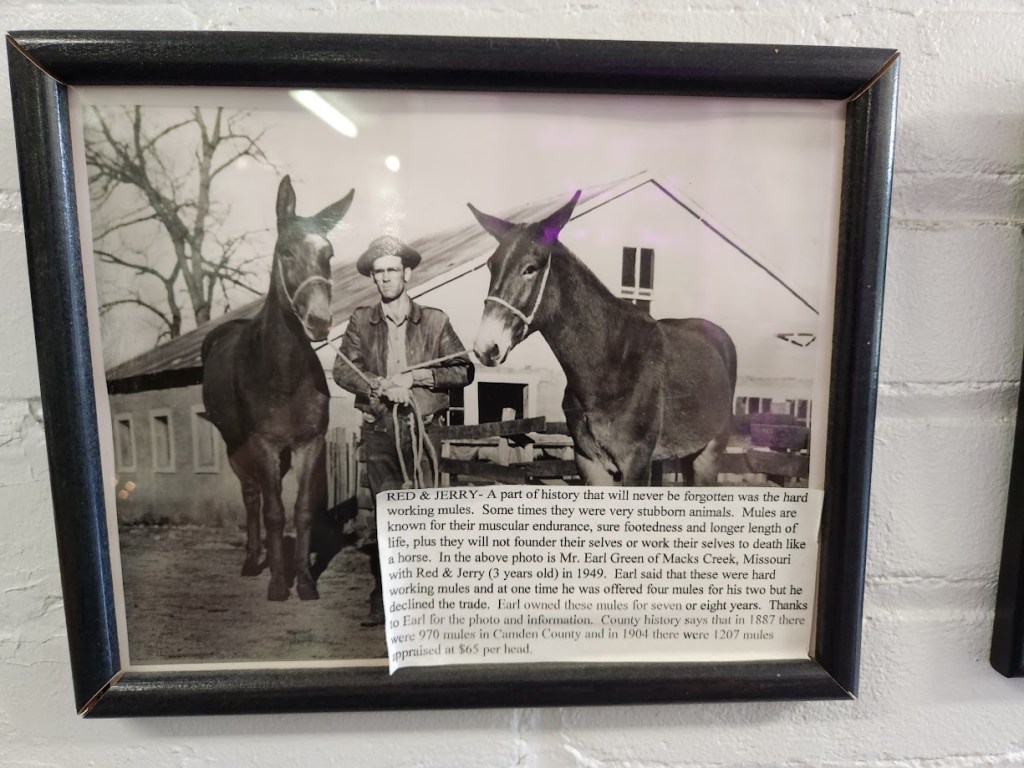
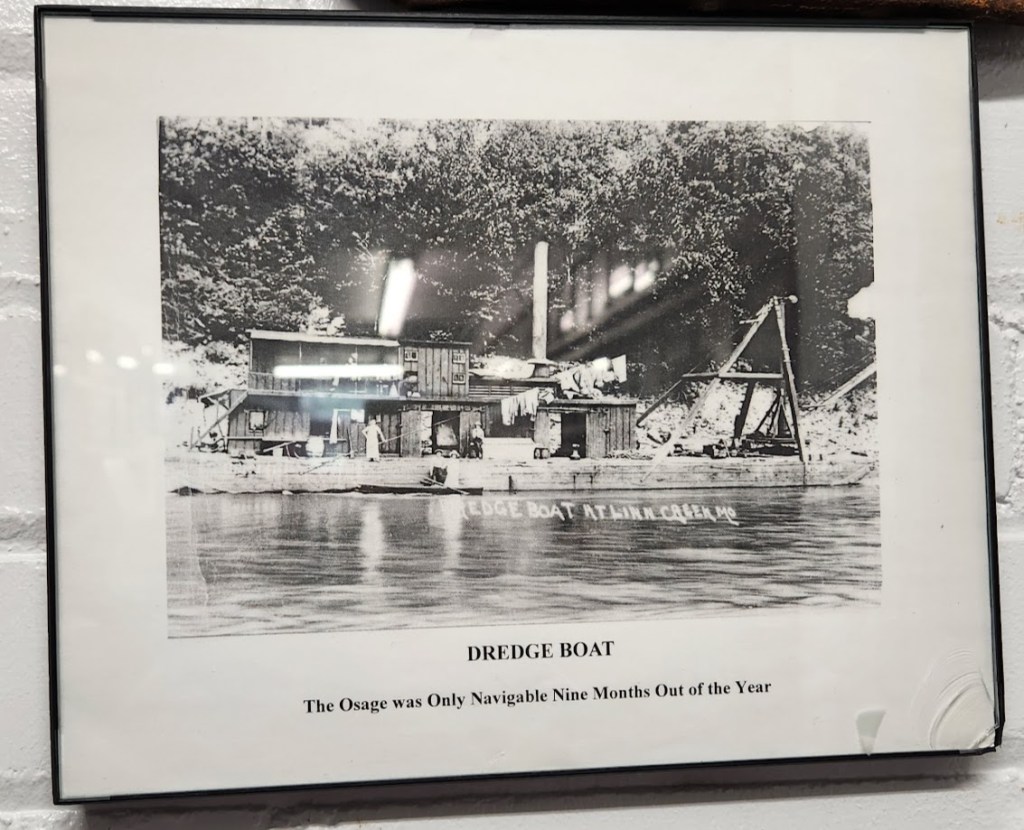
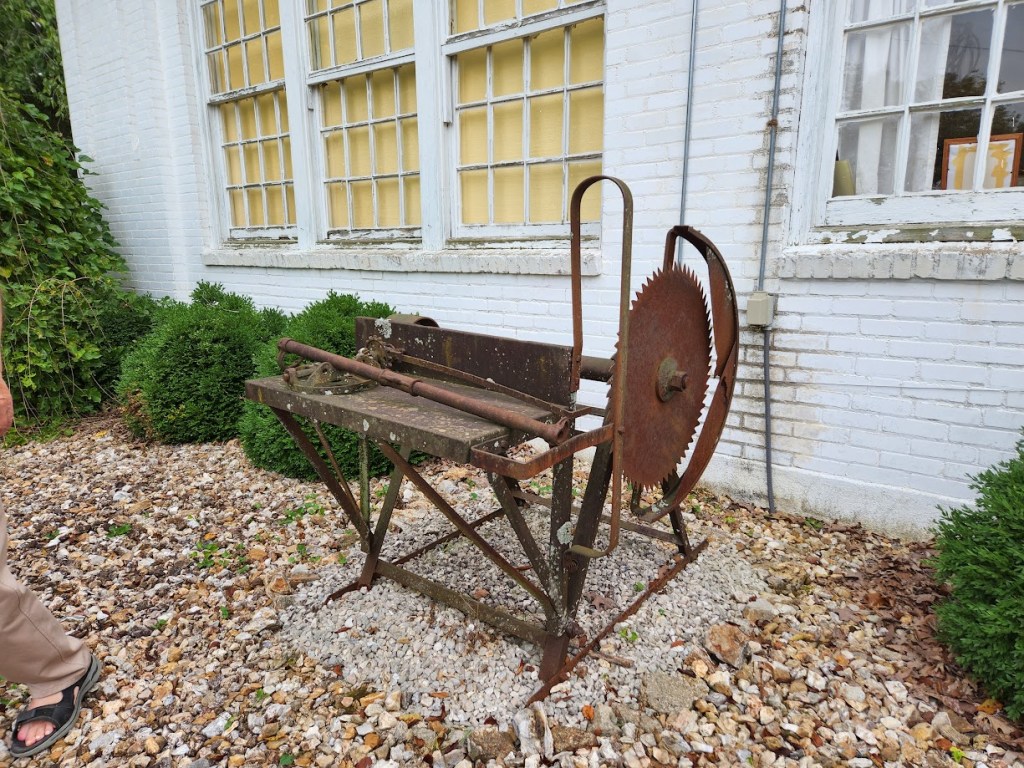
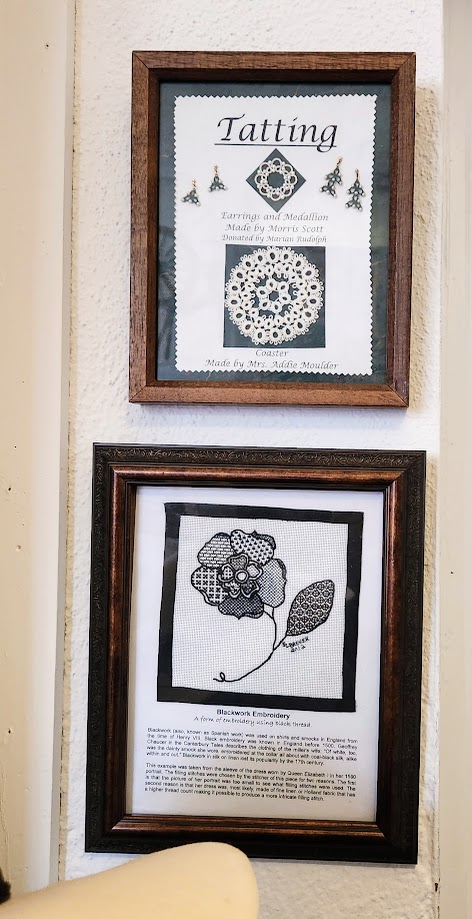
Wonderful museum in Linn Creek Mo tells the story of many towns that were buried under Lake of the Ozarks, many old and wonderful items from the past
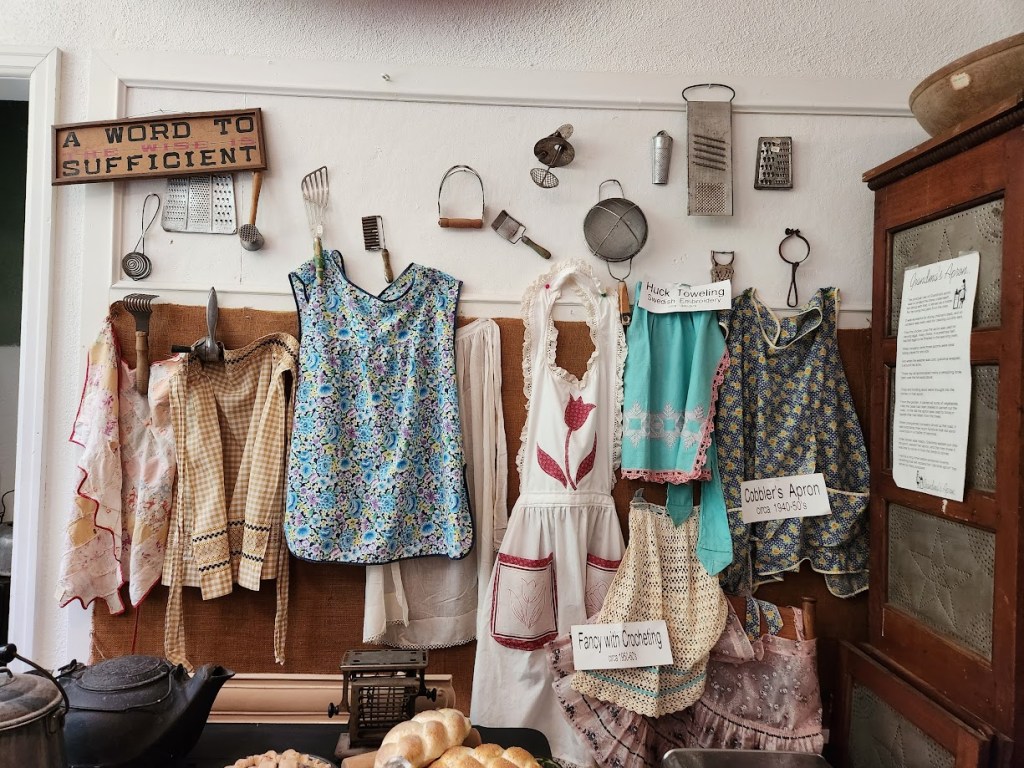
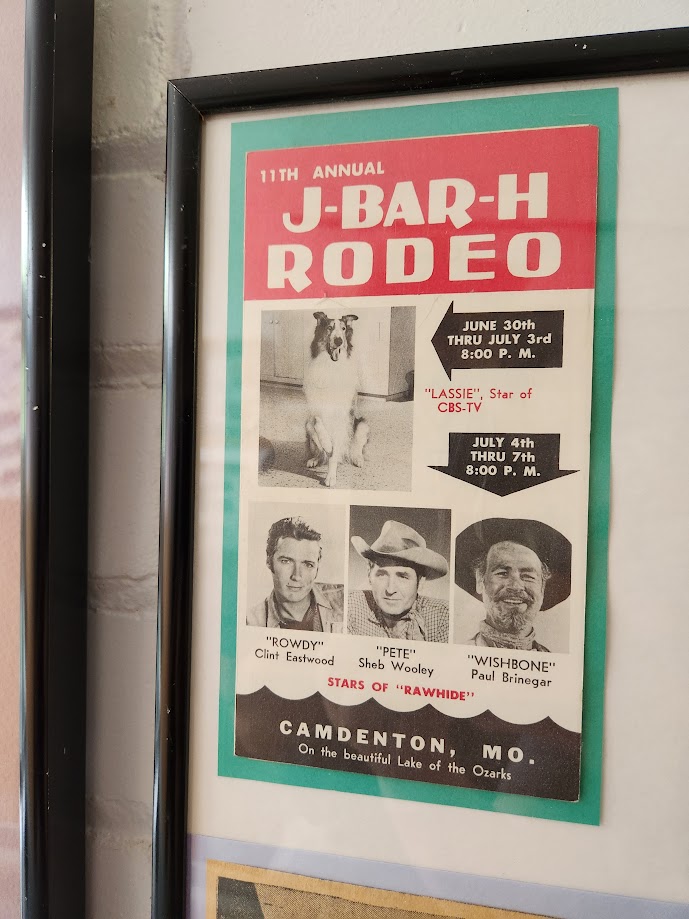
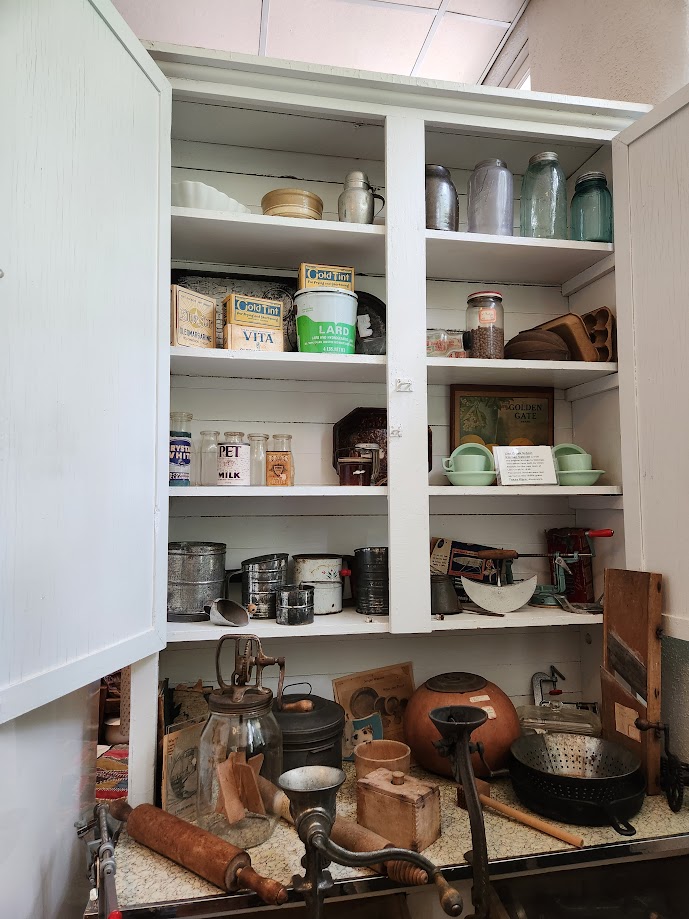
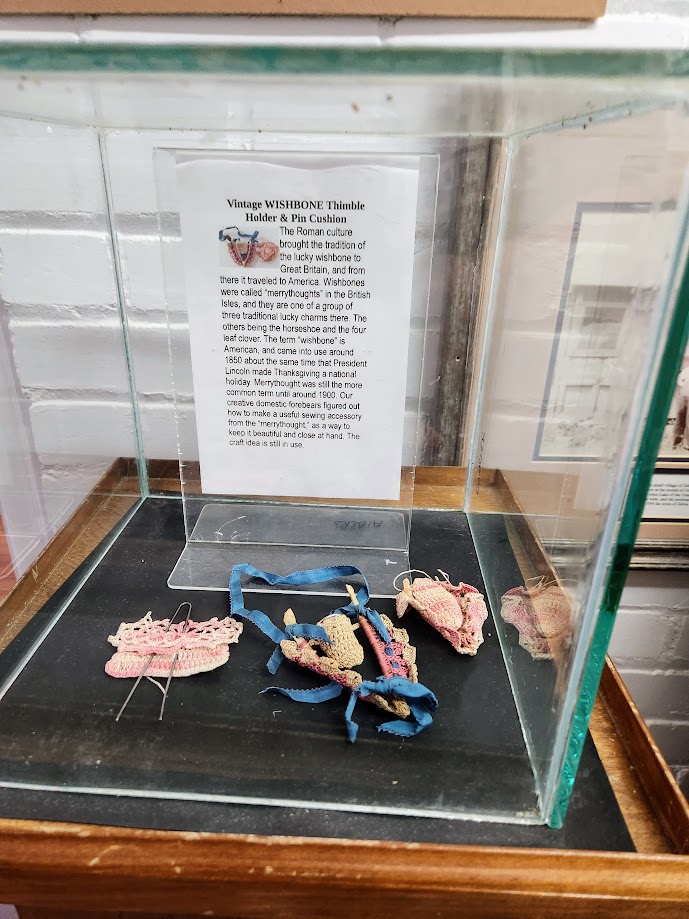
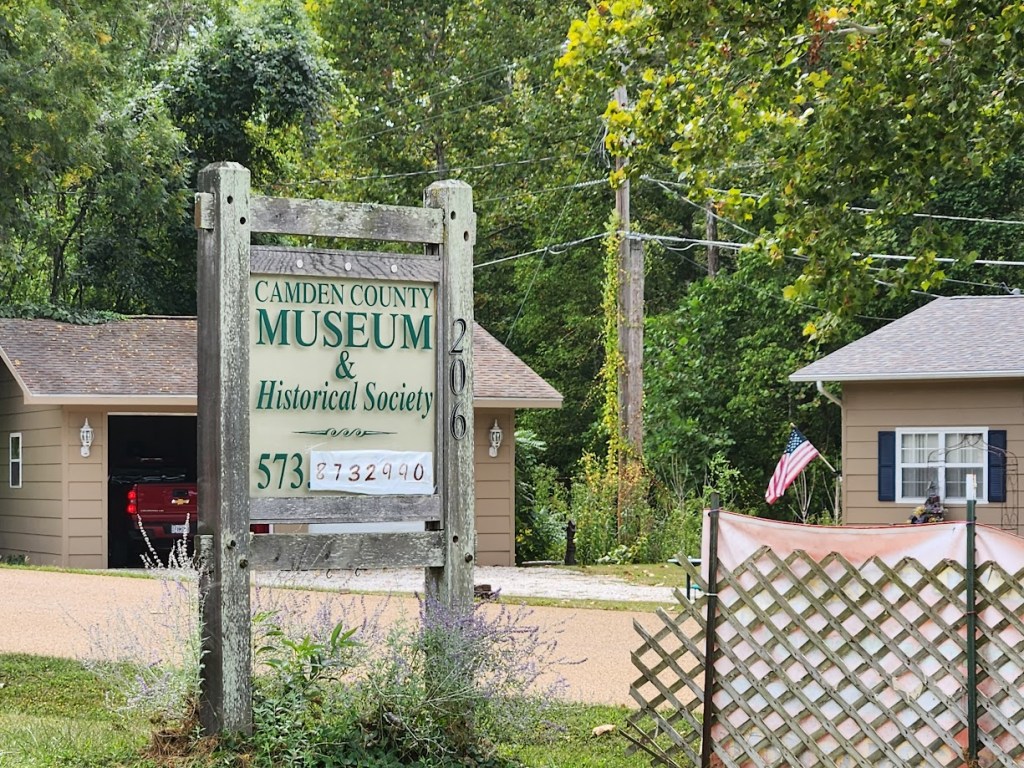
Amazing museum
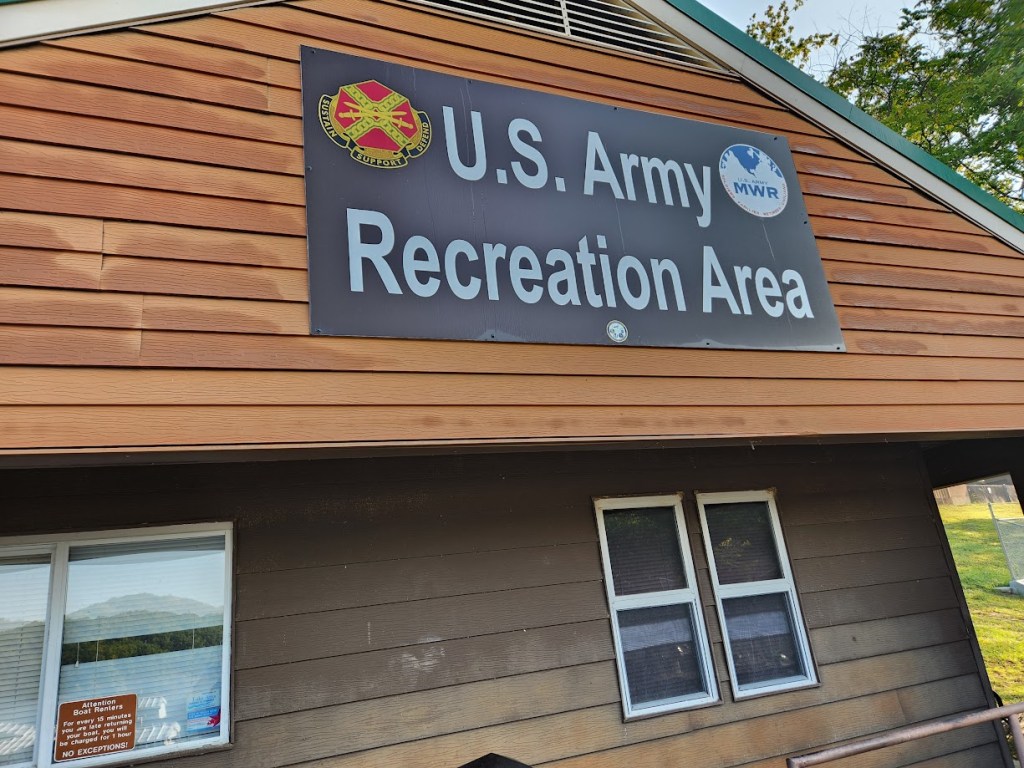
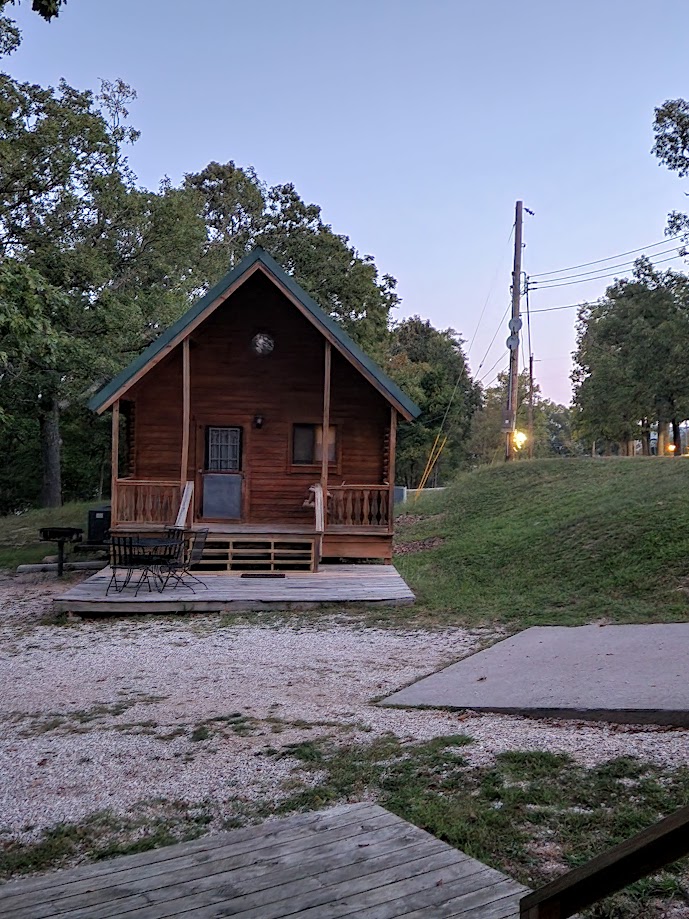
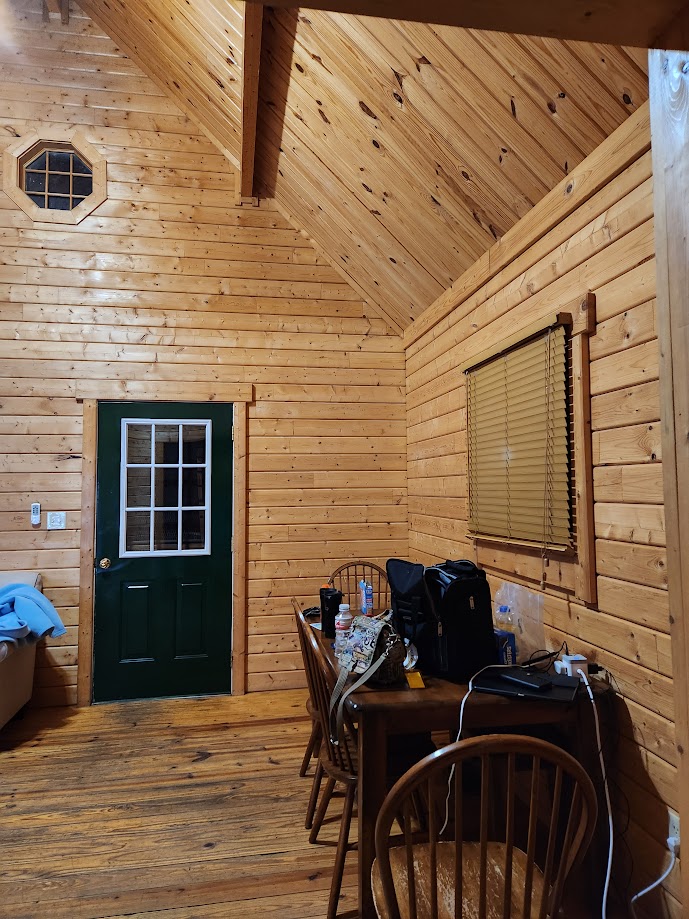
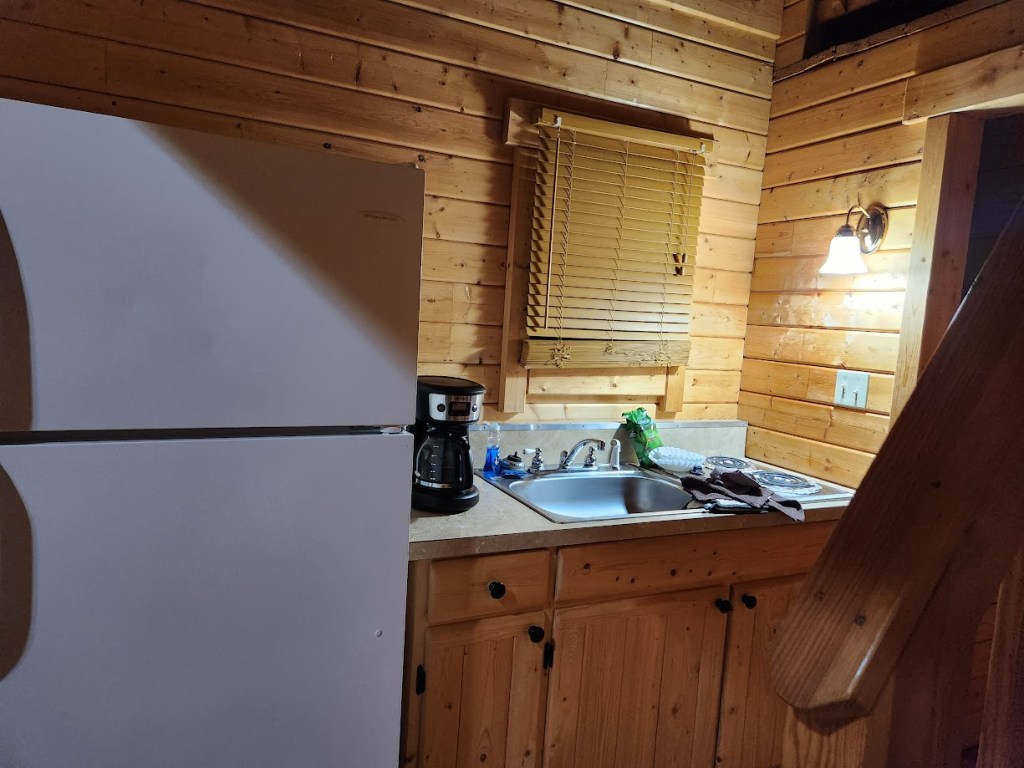
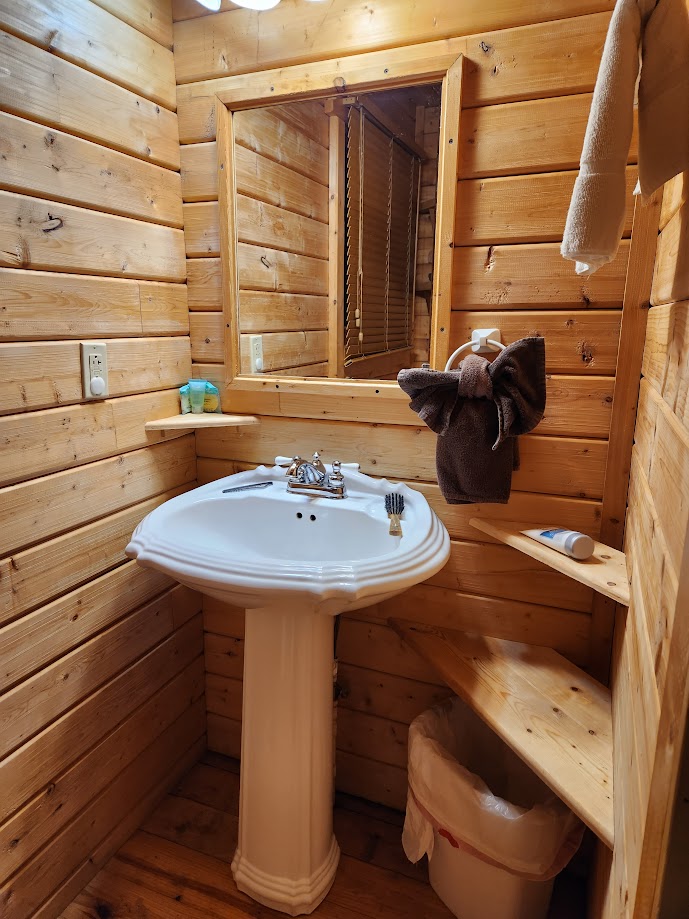
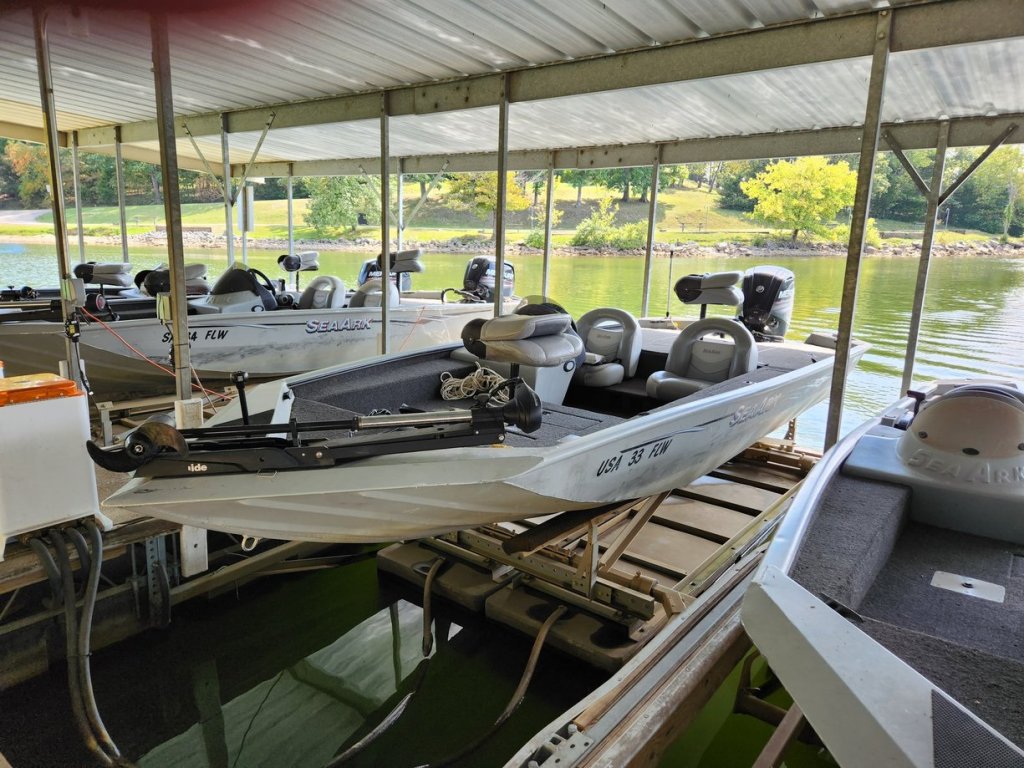
We rented a nice cabin, clean and bug free. They have lovely pontoon boats, bass boats and jet skis. We rented a bass boat.

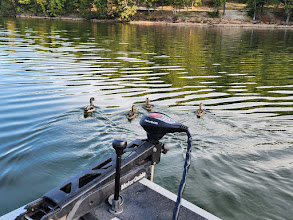
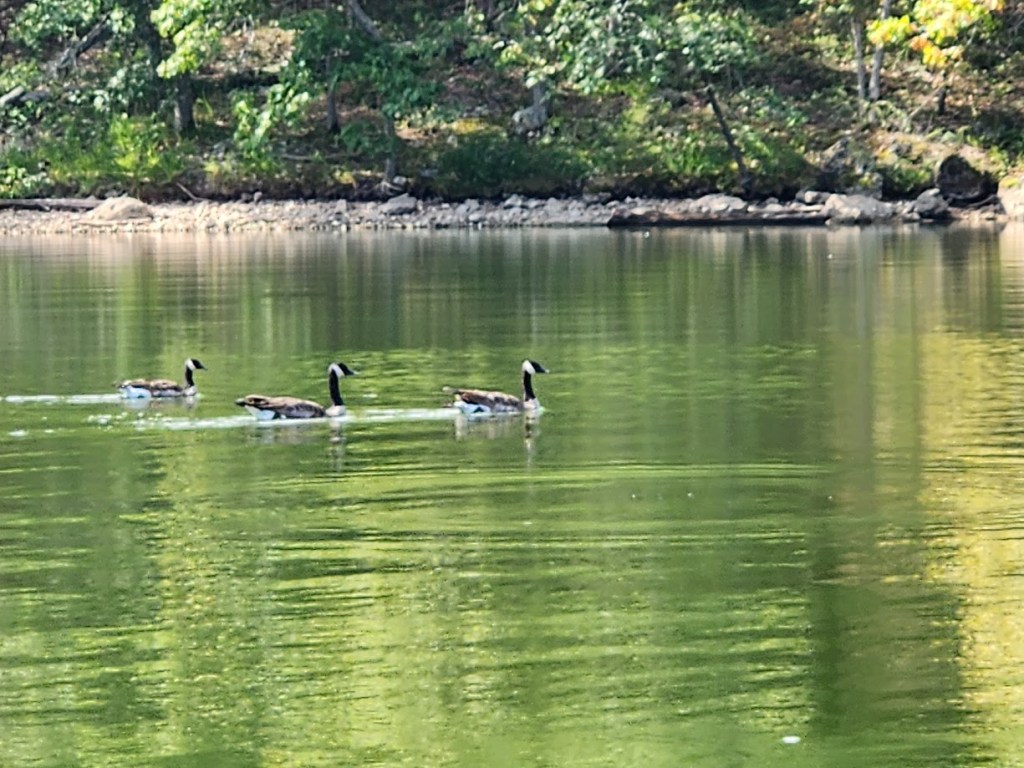
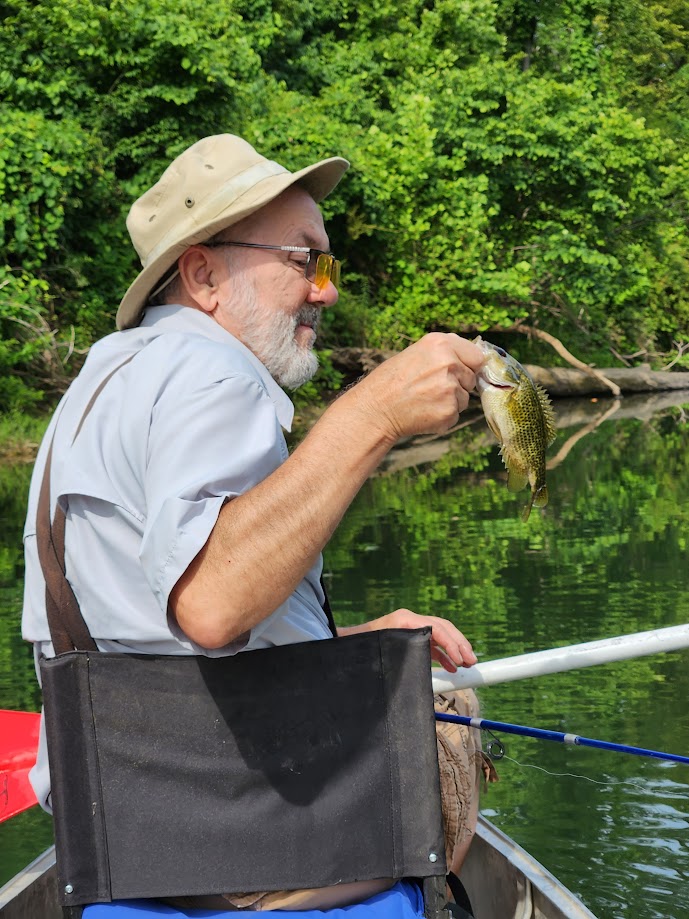
Harold caught a 16 inch bass, 1 1/2 lbs, we were surrounded by ducks and geese
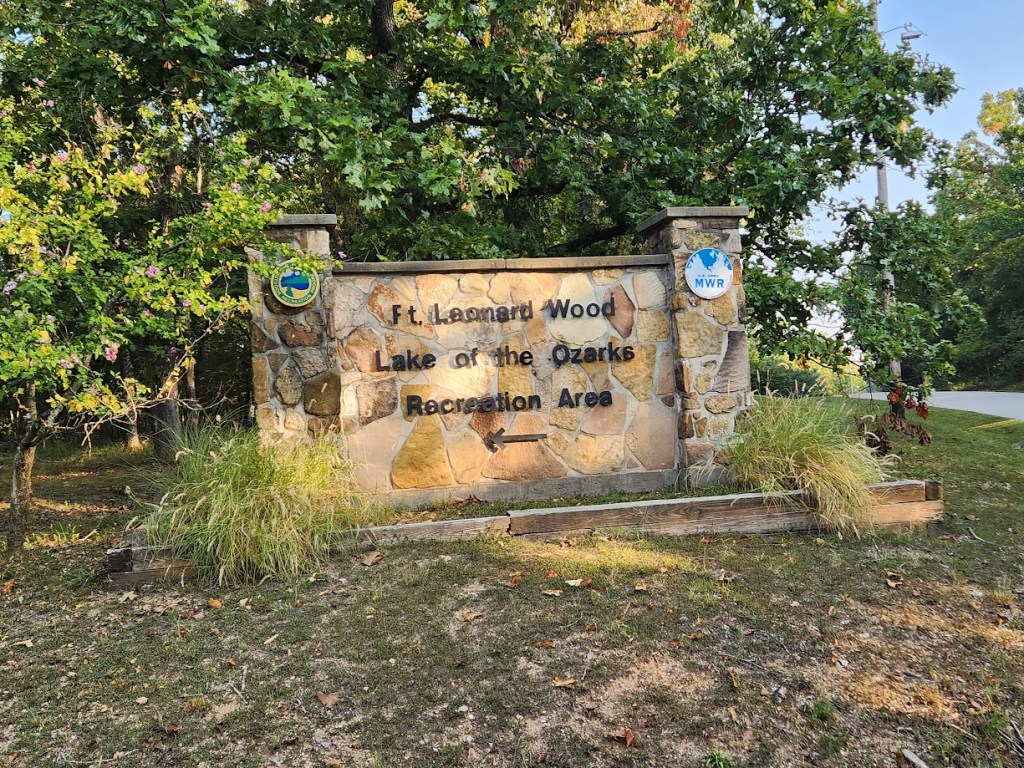
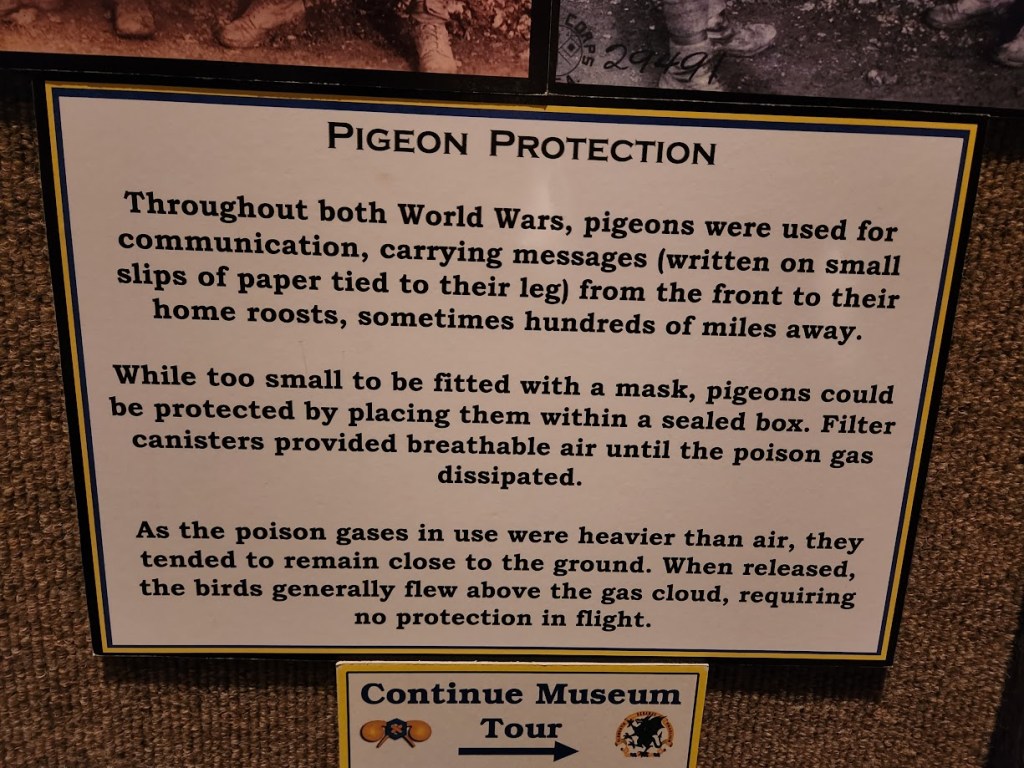





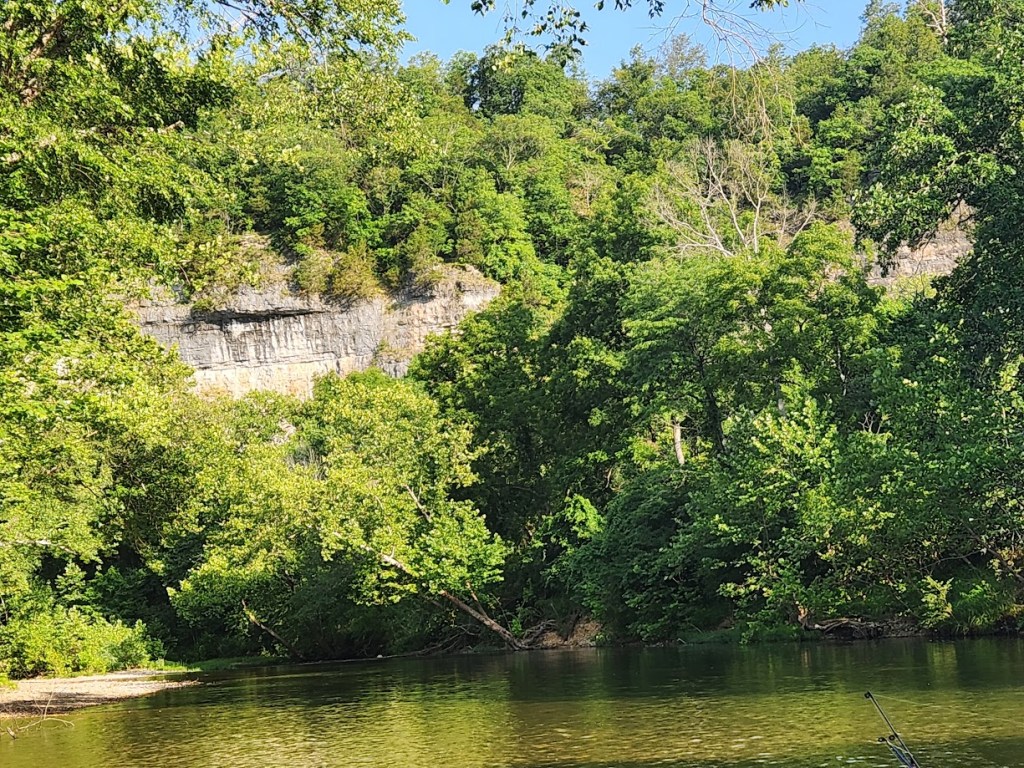
The river was down a lot

 TOAL-Trip of a Lifetime